We have already discussed how important it is to maintain and clean the objects we love, especially precious ones. In an article, we focused on the cleaning and storage of jewellery and silver objects. Today, we talk about wood maintenance: what to do to keep the furniture in our home and other objects made from this excellent material, such as wooden statues, boxes, and antiques.
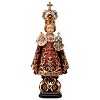
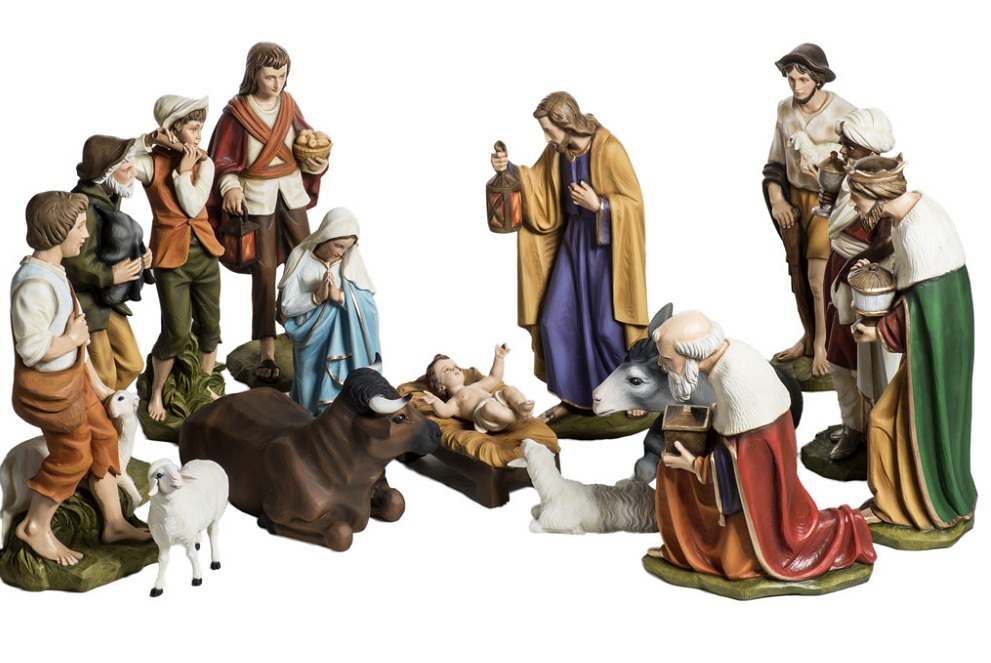
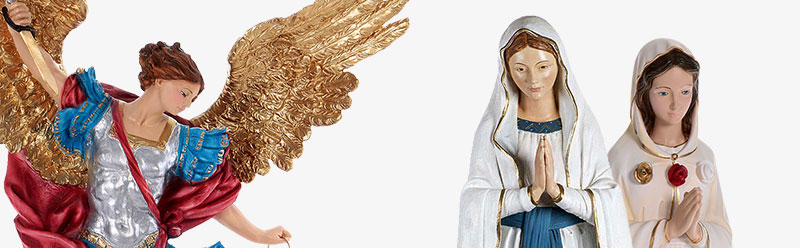
Hand-painted wooden statues and figures: wide selection of religious wood craved statues
Wood maintenance and cleaning
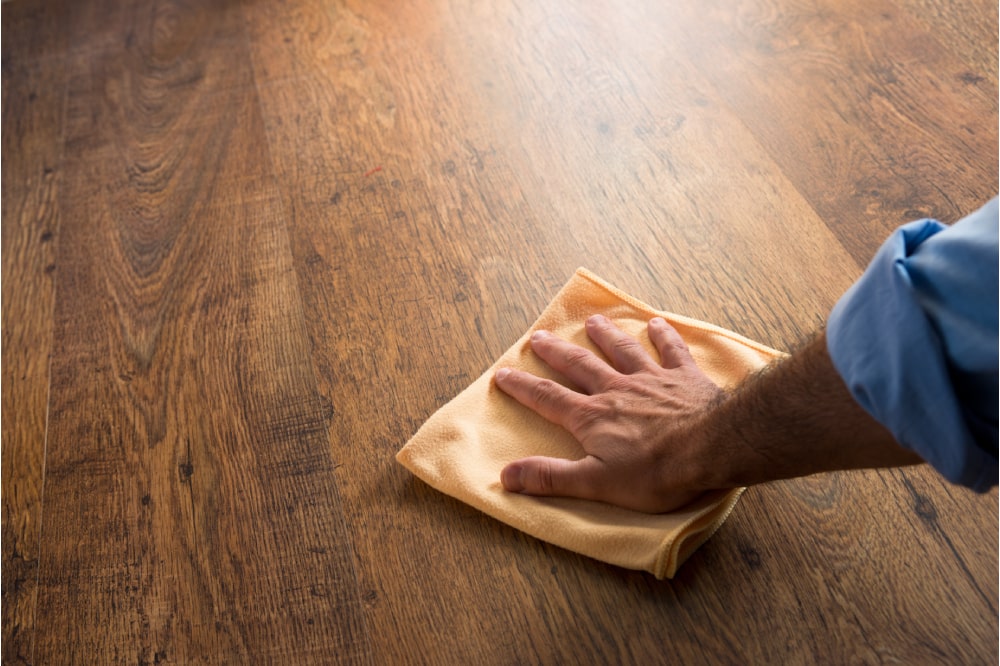
First, when it comes to wood care, it is necessary to consider cleaning wooden surfaces, especially those not protected by paint, primer, or filler. Over time, dust, pollutants, and wear and tear damage the wood, but we must pay close attention to the products we use to treat it, because an overly aggressive detergent can cause further damage. It is better, as we will see specifically, to use a neutral detergent or other daily-use products, in addition to microfibre cloths and deer hides. Never use products that are too aggressive or abrasive.
In addition to the many wood cleaning products on the market, you will be amazed to find out how many and which everyday products you have in your home can also be better for the care and cleaning of this beautiful material.
The enemy of wood is dust, which must be gently removed, along with any stains caused by time, humidity, wear, and even improper cleaning.
Especially if you have valuable furniture, sacred wooden statues, or other precious antiques in your home, you will also need special products to polish and nourish the wood, in addition to periodic dusting.
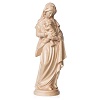
Natural wood statues and figures. Olive wood religious statue from Holy Land
Parquet floors are a timeless classic, but they must be treated with products that preserve the wood’s beauty for years and allow cleaning without ruining the finish or requiring painting.
Wood restoration
To restore wood, whether it is furniture, inlaid objects, statues or wooden bas-reliefs, it is necessary to consider first of all the many enemies of this material. Wood restoration is often a process of no return, because once you have intervened on furniture, an object or an ancient statue, you cannot return to its previous appearance.
Raphael’s Virgin and Child bas relief made of maple wood.
Wood absorbs moisture, which is why it is one of its main enemies, because it makes it swell and rot. Obviously, this represents a significant problem especially for furniture and objects left outside or in unhealthy places, primarily if they are composed of different parts assembled which, due to the humidity that causes them to swell, and the heat that dries them later, will tend to move or, in the case of wooden statues, for example, to cause cracks and cracks in the paint and gilding.
Changes in temperature and light can also alter the colour and appearance of wooden objects.
Mice and insects can pose a significant risk to wood, especially for furniture, statues, and objects left outdoors or kept in damp, dark, or dirty places. For this reason, wooden objects and furniture must be treated with an effective anti-taring treatment, which also eliminates the eggs of this insect.
Again, if we have to intervene on a piece of furniture or a wooden object by replacing a damaged part, we must make sure to use the same kind of wood, previously treated and cured to prevent many of the damages linked to light, humidity and temperature.
How to clean wood using natural methods
If you prefer to avoid chemically aggressive products to clean the wood, you can take advantage of an ancient grandmother’s remedy that will increase the shine of all surfaces, enhance natural veins, and leave no marks. Mix one part of white vinegar or apple cider vinegar with three parts of olive oil or linseed oil, then spread the mixture on the surface you want to clean with a deer skin or a cotton or microfibre cloth, rubbing it in circular movements that follow the veins. Increasing the oil will also increase the shine coefficient.
In the context of natural home cleaning products, beeswax is perfect for wooden furniture, as it is an excellent natural polish. Not only does it make them shiny and beautiful, but it also protects them over time by sealing the wood’s pores. This also makes it ideal for parquet floors and to protect furniture from stains and halos. To spread it, you can use a soft-bristle brush, always following the direction of the veins, and then gently remove it with a straw. The last step, using a soft wool cloth, will give the surface maximum shine.
Using Marseille soap, you will get the dual effect of nourishing and cleaning the wood, all without using aggressive chemicals. On painted wood, such as antique furniture, dissolve one part flaked Marseille soap in three parts lukewarm water, then spread the mixture with a fleece or microfibre cloth. Adding a little extra water will make an excellent detergent for wood floors. Liquid soap, on the other hand, is particularly effective at removing stubborn stains from painted or lacquered wooden furniture. Mix a teaspoon with the juice of half a lemon and 3-4 drops of essential oil, pour everything into an empty sprayer, and use it as a detergent.
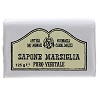
Camaldoli Marseille soap is a traditional soap made with natural extracts
To darken the wood and give it a more antique effect, mix a cup of strong coffee with half a glass of water, then apply with a brush. Instead, to revive the natural colour, you can use white winediluted with water on light wood and red wine on dark wood.
Again, use cocoa butter or water-bath-melted wax crayons to cover minor surface scratches, or even shoe polish if you find the right colour. For deep scratches, stick beeswax is fine to use as putty.
The fragrances of Padre Pio represent just one of the most evocative aspects of the veneration surrounding this unique Saint....
What’s the Future of Religion?
What’s the Future of Religion?
A Beginner’s Guide to Christianity
A Beginner’s Guide to Christianity
Mind-Blowing Statistics About Christianity You Need to Know
Mind-Blowing Statistics About Christianity You Need to Know
8259
Enter the Holyart world: $20 discount voucher valid on over 60,000 items
Come and discover Holyart, the largest e-commerce of religious articles in Europe and immediately receive a $20 voucher to use with your first purchase.
Check your mailbox: you will receive your discount within 5 minutes





 9 September 2026