Homepage | Religion | The Way of Saint Francis: On Pilgrimage to Assisi
The Way of Saint Francis: On Pilgrimage to Assisi
20 July 2026
Reading Time: 11minutes
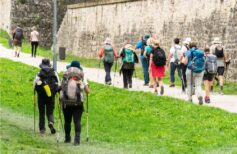
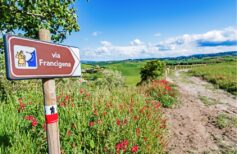
The Way of Saint Francis retraces the steps of the Patron Saint of Italy, amidst enchanting natural landscapes and evocative panoramas, through some of the most beautiful art cities and villages in the world, all the way to Assisi. Here is how to travel it from the North and the South.
Spring: a time for walks and, why not, pilgrimages! While writing about the pilgrimages to plan ahead of the 2025 Jubilee, and specifically about the Pilgrim’s Credential, we mentioned the Way of Saint Francis(Cammino di San Francesco). This is an itinerary of pilgrimage and devotion that retraces the steps of Saint Francis of Assisi through places linked to his life and spiritual message.
The Way of Saint Francis is, in fact, divided into three routes: two arriving in Assisi and one in Rome.
The Northern Way follows the tracks of the first followers of Saint Francis, starting from La Verna, where the Saint of Assisi received the stigmata; it is 189 kilometres long.
The Southern Way starts instead from Rome, the symbolic city of Christianity, crossing the countryside of Lazio and Umbria to reach Rieti and then Assisi; it is 247 kilometres long.
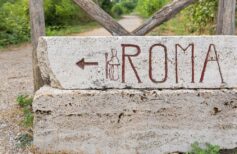
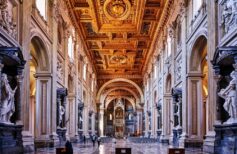
Finally, there is the Way to Rome, which leads from La Verna to Rome, with the St Peter’s Basilica as its final destination. The Way of Saint Francis in Lazio is further divided into several possible variations: the Way of Saint Francis from Labro to Rome (the main one), the Route of the Sacred Reatine Valley, the Tiber Route, and the Farfa Variation.
These routes, with their unique characteristics and the spiritual and cultural sites they traverse, offer pilgrims the chance to live a profound and authentic experience following in the footsteps of Saint Francis. It is a unique opportunity to immerse oneself in Franciscan spirituality while simultaneously enjoying the natural and cultural beauty of central Italy. This is especially significant considering that 2026 will mark the eighth centenary of the death of Saint Francis of Assisi—an event that marks an important anniversary and honours the memory of Saint Francis and his extraordinary spiritual legacy, which continues to inspire millions of people worldwide.
The Northern Way for the pilgrimage to Assisi offers a fascinating journey to reach the birthplace of Saint Francis in enchanting Umbria, the “Green Heart of Italy”. There are several starting points: Florence, Rimini, or La Verna. This itinerary invites pilgrims to immerse themselves in the beauty of nature so dear to Saint Francis. With breathtaking landscapes and places steeped in history and devotion along the route, the Northern Way promises an unforgettable experience of walking and reflection, culminating in wonderful Assisi, a place of inspiration and holiness.
Here are the main stages for those who wish to undertake the route of Saint Francis on foot starting from the North:
Stage 1 – from La Verna to Pieve Santo Stefano
From the Sanctuary of La Verna, near Arezzo, you cross the forests of the Casentino Park to Pieve Santo Stefano, immersed in the nature that inspired the Saint’s Canticle of the Creatures.
The path crosses the Alpe della Luna Nature Reserve, with a stop at the Franciscan Hermitage of Montecasale. Amidst breathtaking natural landscapes and evocative hermitages, the pilgrim will be enveloped by the majesty of the mountains, peace, and spirituality.
Stage 3 – from Sansepolcro to Citerna
The gentleness of the Umbrian landscape welcomes pilgrims, offering a moment of pause and reflection, as well as the chance to immerse oneself in the history and spirituality of these places dear to Saint Francis.
Stage 4 – from Citerna to Città di Castello
The gentle slopes of the Upper Tiber Valley offer hiking opportunities even for less experienced walkers. In the historic centre of Città di Castello stands the Church of Saint Francis, consecrated in 1291.
Stage 5 – from Città di Castello to Pietralunga
Through ancient woods, you reach Pieve dei Santi, an old church dating back to the second half of the 11th century, built on the site of the martyrdom of Saint Crescentino, a Roman centurion converted to Christianity and killed for his faith.
Stage 6 – from Pietralunga to Gubbio
Famous above all for the episode of the tamed wolf, Gubbio was very important for Francis; it was here that he took refuge after renouncing all his possessions and began his new life in faith and in Christ. The city preserves numerous sites linked to his presence and message.
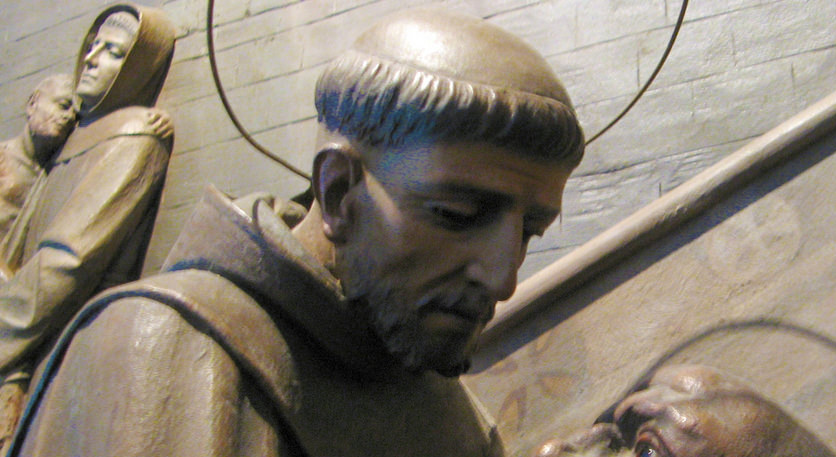
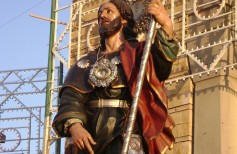
This Catholic statue of St. Francis is made of the finest porcelain and is hand painted
Stage 7 – from Gubbio to Valfabbrica
Retracing the journey made by Francis through the gentle Umbrian woods, pilgrims come within sight of Assisi.
Stage 8 – from Valfabbrica to Assisi
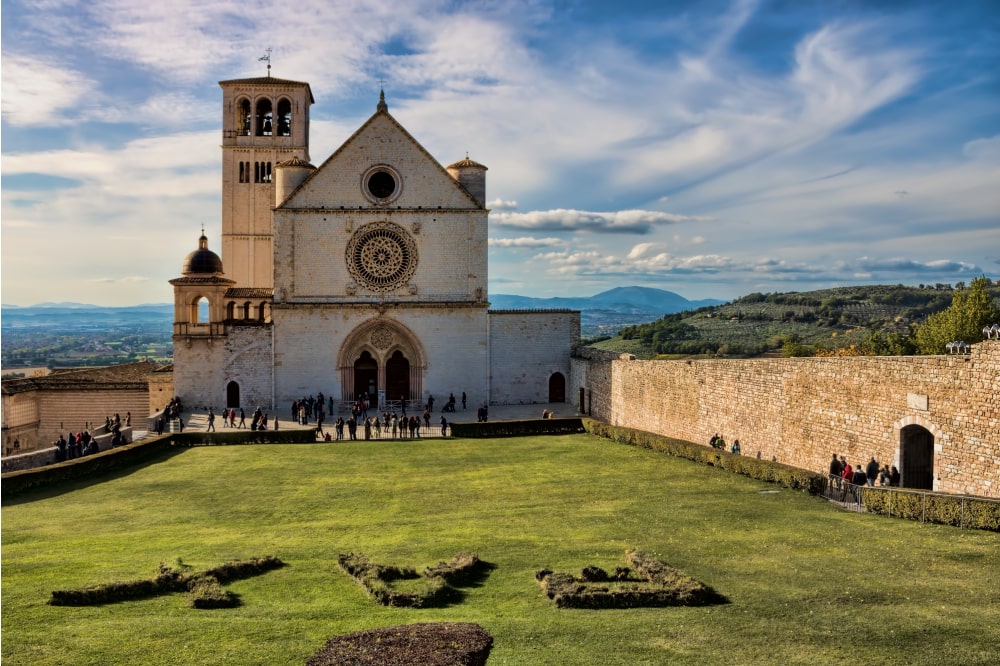
The pilgrimage concludes in Assisi, where the remains of Saint Francis are kept in the Basilica dedicated to him.
The Northern Way also includes a variation that passes through Perugia.
The Southern Way
The Southern Way covers about 300 km along the Way of Saint Francis from Rome to Assisi. Leaving Rome, you follow the course of the River Tiber and continue through the Roman countryside and Sabina. Added to this is the Sacred Valley of Rieti, rich in enchanting natural views and famous Franciscan sanctuaries.
Amidst picturesque villages and unforgettable cultural and gastronomic experiences, you pass into Umbria, with its rolling hills, and reach Assisi and the places dear to Saint Francis and Saint Clare.
Here are the main stages for those who wish to undertake the Franciscan Way starting from Rome:
Stage 1 – Rome: from St Peter’s to Monte Sacro
Starting from the majestic St Peter’s Basilica, the journey towards Assisi begins with a trip following the Tiber and Aniene rivers, crossing parks and cycle paths. Along the route towards the Sacred Valley, we immerse ourselves in the villages of the Roman Sabina and Umbria, experiencing a quieter pace of life in harmony with the Saint’s message of peace and love for nature. Crossing Ponte Milvio and passing through the green heart of Rome, amidst parks and green spaces, we reach the Church of the Guardian Angels (Angeli Custodi) in Monte Sacro.
Stage 2 – from Monte Sacro to Monterotondo
The route winds through the hills surrounding Rome towards the Roman Sabina. You proceed through the streets of the Roman outskirts into the Roman agro, with its ancient ruins and panoramas of the Eternal City. The walk ends at Monterotondo, where you can enjoy a pleasant stroll through the historic centre.
Stage 3 – from Monterotondo to Ponticelli di Scandriglia
Having passed the medieval remains of the Torre della Fiora, you enter the Macchia di Gattaceca, a protected karst area valued for its botanical and landscape merit. You continue along ancient Roman roads such as the Old Via Nomentana and the Old Via Salaria, reaching Acquaviva, Nerola (with its Orsini Castle), and Passo Corese. The final part is a progressive climb to Ponticelli.
Stage 3A – diversion to Farfa
This variation allows a visit to the Abbey of Farfa, one of the most important Benedictine monasteries in Italy.
Stage 4 – from Ponticelli di Scandriglia [to Poggio San Lorenzo]
Historical beauty, wonderful landscapes, and wild, evocative nature feature in this stage that reaches the church of San Martino, passing through Moiano amidst vineyards and olive groves, before continuing to the Sanctuary of Santa Vittoria (dating back to 1100), the archaeological area of Trebula Mutuesca, and the medieval village of Monteleone Sabino, finally reaching Poggio San Lorenzo, an ancient Roman fortification.
Stage 5 – from Poggio San Lorenzo to Rieti
We enter the Sacred Valley of Rieti and Umbria, where we find the Cathedral of Santa Maria Assunta and the splendid medieval city of Rieti.
Stage 6 – from Rieti to Poggio Bustone
La Foresta and Poggio Bustone are two convents nestled in the verdant heart of the Franciscan valley—true refuges from the world, amidst hills and spectacular panoramas.
Variation for Terni – Stage 6A – from Rieti to Greccio
The Sanctuary of Greccio commemorates the place where Saint Francis started the tradition of the Nativity scene and offers a splendid panorama over the peaks of Terminillo and the Sacred Valley. On this stage, you also visit the Sanctuary of Fonte Colombo, the village of Contigliano Alto, and the Abbey of San Pastore.
Variation for Terni – Stage 6B – from Greccio to Terni
You climb amidst hornbeam and chestnut trees, crossing the meadows of Stroncone, past tombstones linked to the passage of Saint Bernardino of Siena. You reach the Church of the Madonna di Colleponte, then Piazza della Libertà in Stroncone, and the Sanctuary of Saint Francis of Assisi. Continuing towards Terni, you visit the Basilica of its patron, Saint Valentine.
Variation for Terni – Stage 6C – from Terni to Arrone
In the green heart of the Nera River valley, you witness the spectacular drop of the Marmore Waterfall, before heading up the course of the River Nera through narrow, rocky valleys.
Stage 7 – from Poggio Bustone to Piediluco
Leaving the Sacred Valley, you enter Umbria. You walk mainly on paths with splendid views of the lakes, after saying goodbye to the Beech tree (Faggio) under which Saint Francis sought shelter during a storm. Stop at Labro and Lake Piediluco.
Stage 8 – from Piediluco to Arrone
The nature of this route seems to pay homage to Saint Francis’s special relationship with water, amidst lakes, rivers, and waterfalls, reaching the village of Arrone.
Stage 9 – from Arrone to Ceselli
From the collegiate church of Santa Maria Assunta in Arrone, you head further up the River Nera to Ferentillo, with its castles and the Mummy Museum. Continuing on, you sight the imposing Abbey of San Pietro in Valle, before reaching Ceselli.
Stage 10 – from Ceselli to Spoleto
You climb to the Castelmonte Pass, amidst evocative panoramas over the Nera Valley. Crossing Sensati, you reach the Sacred Wood of Monteluco which houses the Hermitage of Saint Francis. Descending towards Spoleto, you encounter hermitages and shrines until the Bridge of Towers (Ponte delle Torri). In Spoleto, you can admire the magnificent Cathedral and all the artistic and historical beauties of the city.
Stage 11 – from Spoleto to Poreta
From Spoleto Cathedral, along the Streets of the Cyclopean Walls, you proceed on secondary roads immersed in the countryside, with views of Trevi and Assisi on one side and the Martani Mountains and Montefalco on the other. It is advisable to visit the Basilica of San Salvatore, a UNESCO World Heritage site. After a climb towards the villages of Eggi and Bazzano, you descend through fields and Aleppo pine woods to Poreta, where you can visit the Castle.
Stage 12 – from Poreta to Trevi
The route crosses dirt tracks and stretches of secondary roads amidst olive trees, with ups and downs to the village of Campello Alto, known for its walls and the convent of the Barnabite Fathers. You continue uphill towards the Hermitage of the Larks (Eremo delle Allodole), a Franciscan place of meditation. After some ups and downs, you reach Bovara, with the Church of Saint Peter linked to the vision of Fra’ Pacifico. The stage ends in Trevi, where the Church of the Madonna delle Lacrime and the San Francesco Museum Complex are unmissable.
Stage 13 – from Trevi to Foligno
You leave Trevi and head towards Collecchio via downhill paths, passing through olive terraces. The route crosses the Umbrian countryside, with several Marian shrines along the way. You arrive at San Clemente, where there is a country parish church surrounded by olive trees. Finally, you reach the historic centre of Foligno, with its Cathedral of Saint Feliciano—a symbolic place linked to Saint Francis, who wished to restore the church of San Damiano here.
Stage 14 – from Foligno to Assisi
From Foligno Cathedral, you cross the bridge over the Topino River and head towards Spello, from where you can choose between a hiking route through the woods of Mount Subasio or a more pleasant walk along the Way of the Olive Trees (Via degli Ulivi). Both lead to Assisi.
The Way of Saint Francis on Foot or by Bike
For those who wish to undertake the Way of Saint Francis by bike, the stages are parallel to the walking routes along the Northern and Southern Ways. Remember to always carry a water bottle, especially in the hotter months.
The Pilgrim’s Kit, designed to enrich and facilitate the journey during the Jubilee
Northern Way by Bike
Stage 1 – from La Verna to Citerna
Stage 2 – from Citerna to Pietralunga
Stage 3 – from Pietralunga to Gubbio
Stage 4 – from Gubbio to Valfabbrica
Stage 5 – from Valfabbrica to Perugia
Stage 5A – from Valfabbrica to Assisi
Stage 6 – from Perugia to Assisi
Southern Way by Bike
Stage 1 – from St Peter’s to Monterotondo
Stage 2 – from Monterotondo to Ponticelli [di Scandriglia]
Stage 3 – from Ponticelli di Scandriglia to Rieti
Stage 4 – from Rieti to Piediluco
Variation – Stage 4A – from Rieti to Greccio
Variation – Stage 4B – from Greccio to Stroncone
Variation – Stage 4C – from Stroncone to Scheggino
Stage 5 – from Piediluco to Scheggino
Stage 6 – from Scheggino to Monteluco
Stage 7 – from Monteluco to Trevi
Stage 8 – from Trevi to Assisi
Pilgrim’s Credential for the Way of Saint Francis
The Pilgrim’s Credential represents a fundamental travel companion, essential for those who wish to venture on a devotional pilgrimage. Besides being an identification document, it embodies the spiritual bond with the chosen route, as it bears witness to every stage, every encounter, and every emotion experienced along the way. It is the tangible symbol of the inner search and the faith that animates the pilgrim’s heart, giving meaning and depth to their spiritual experience.
There are two fundamental documents that accompany the pilgrim along the Way of Saint Francis: the Pilgrim’s Credential (Credenziale del Pellegrino) and the Testimonium Viae Francisci.
To request the Way of Saint Francis Credential, you must fill in the form with your details and the approximate start date of the pilgrimage. If the journey starts in Italy, the request must be sent at least 3 weeks before departure, while if starting from abroad, it should be done at least 2 months in advance. The Credential shipping service is free and managed by the Credential Office at the PiccolAccoglienza of the Diocese of Gubbio. The Credential will be sent by post.
The Testimonium Peregrinationis Peractae ad Sanctorum Francisci et Clarae Civitatem is a certificate that confirms the completion of the pilgrimage to the tomb of Saint Francis in Assisi. Since medieval times, the pilgrimage was considered valid only if the pilgrim reached the Saint’s tomb.
The Testimonium has great value as a precious souvenir of the experience and a tangible symbol of the values and feelings discovered during the journey. To obtain it, you must have travelled at least the last 100 km on foot or the last 200 km by bicycle to reach the tomb of Saint Francis. The stamps and dates on your Credential certify the journey completed and are essential for obtaining the Testimonium.
Despite their diversity, many religions show elements in common. Let us discover which religions believe in angels Angels are perhaps...
What’s the Future of Religion?
What’s the Future of Religion?
A Beginner’s Guide to Christianity
A Beginner’s Guide to Christianity
Mind-Blowing Statistics About Christianity You Need to Know
Mind-Blowing Statistics About Christianity You Need to Know
8444
Enter the Holyart world: $20 discount voucher valid on over 60,000 items
Come and discover Holyart, the largest e-commerce of religious articles in Europe and immediately receive a $20 voucher to use with your first purchase.
Check your mailbox: you will receive your discount within 5 minutes












 16 October 2026