Author: Redazione

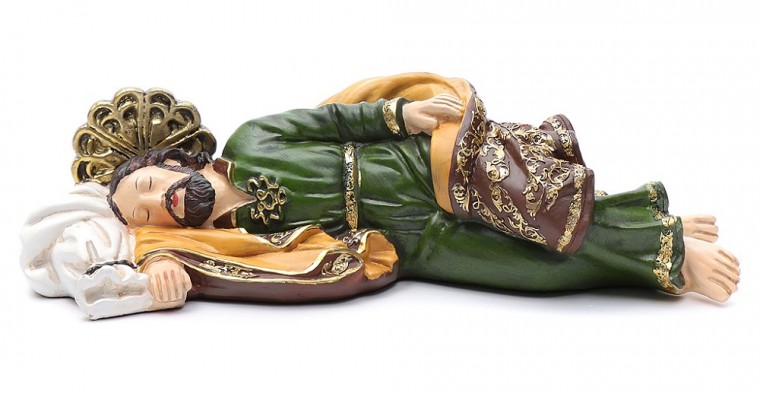
Sleeping Saint Joseph: Pope Francis’ patron saint

Sleeping Saint Joseph: Pope Francis’ patron saint

The human and religious history of Jorge Mario Bergoglio, the future Pope Francis, has been linked from the outset to a particular figure dear to Christians all around the world: that of St. Joseph. A thin connections, made of often fortuitous coincidences and a chain…
Minimalist nativity for a Modern and Chic Christmas

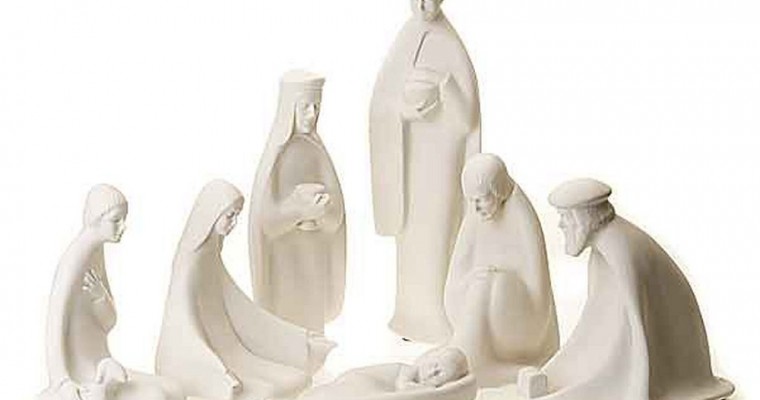
Minimalist nativity for a Modern and Chic Christmas

Everyone has their own nativity. Not everyone sticks to the traditional nativity scene, which, we understand, is derived from many regional traditions in our country, like the Neapolitan terracotta nativity, or the wooden one from Val Gardena, the Lecce papier-mâché nativity or the ones in…

Miniature food for your nativity

Miniature food for your nativity

It’s the small details that make everything special. This is true in every creative, artistic and even culinary sector. The art of the nativity, both with its centuries-old tradition from artisans and excellent masters and its yearly renovation in homes, is not an exception.

For those who have decided to make their own DIY nativity and personalise and decorate it with particular accuracy, there is a really wide range of small and large accessories made for this purpose.

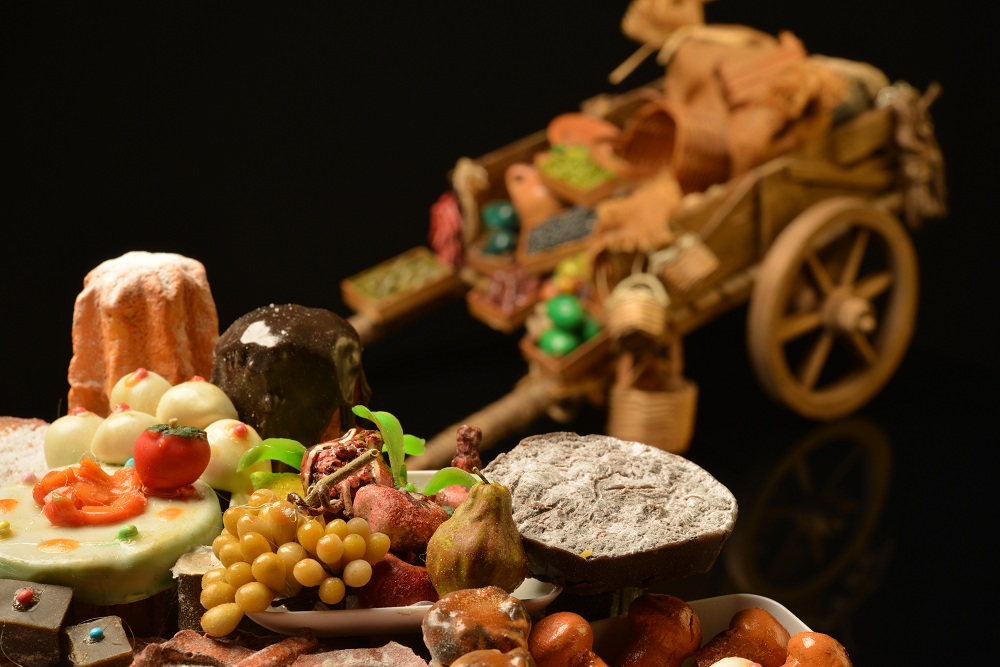
We are talking about miniature food, for example. In a setting like the nativity, which has always been a popular scene made by pastors, farmers, shop owners, and artisans, the presence of food is fundamental.

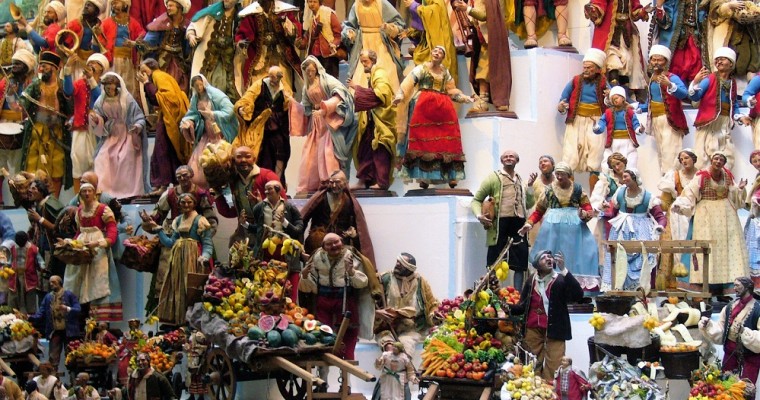
Christmas night becomes an occasion to reconstruct a realistic and impressive life-like scene, and suddenly all of the characters that move together in the hut of the Nativity take on a new dimension, a well-defined character. This is how bread makers offer their bread and focaccia in baskets or improvised shelves, butchers who invite you to buy cuts of meat posed on a table, fruit sellers that exhibit their red apples, strawberries, pears and oranges.

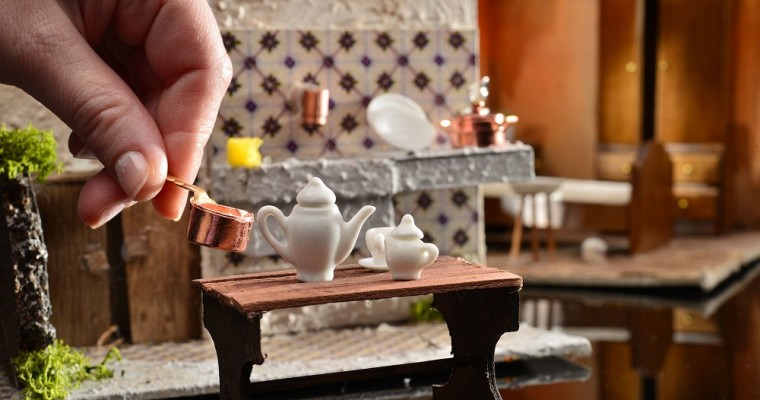
The realism and precision with which these real miniature jewels are made is surprising. Usually it’s possible to find them in non-toxic resin, painted with bright colours that make them really unique, but which find themselves in miniature terracotta painted by hand.

Even more, these are olive chests, onion and garlic hills, bunches of grapes, reproduced with such perfection that the results are impressive. Even fish has a fundamental role, like the unmissable fishmonger who throws his line in the stream made with a mirror and silver card. Even the miniature crustaceans and molluscs are wonderfully recreated!

Like a child’s toy, the nativity takes on, thanks to these surprised and enchanting details, a new and special life every Christmas.

10 Fun Facts about Nativity

10 Fun Facts about Nativity

Christmas is getting nearer and children are buzzing, waiting to pull the first nativity statues out from the loft. Today we want to talk to you about the Nativity itself and 10 interesting things about of the most important Christmas symbols. Etymology of the word…

Build your own Nativity Scene

Build your own Nativity Scene

Our country has a very illustrious and ancient tradition when it comes to nativity scenes. Since the medieval period, there has been a tradition of recreating scenes inspired by the night that baby Jesus was born in Bethlehem. It is a custom that expresses deep…

Christmas magic in Dyker Heights, New York

Christmas magic in Dyker Heights, New York

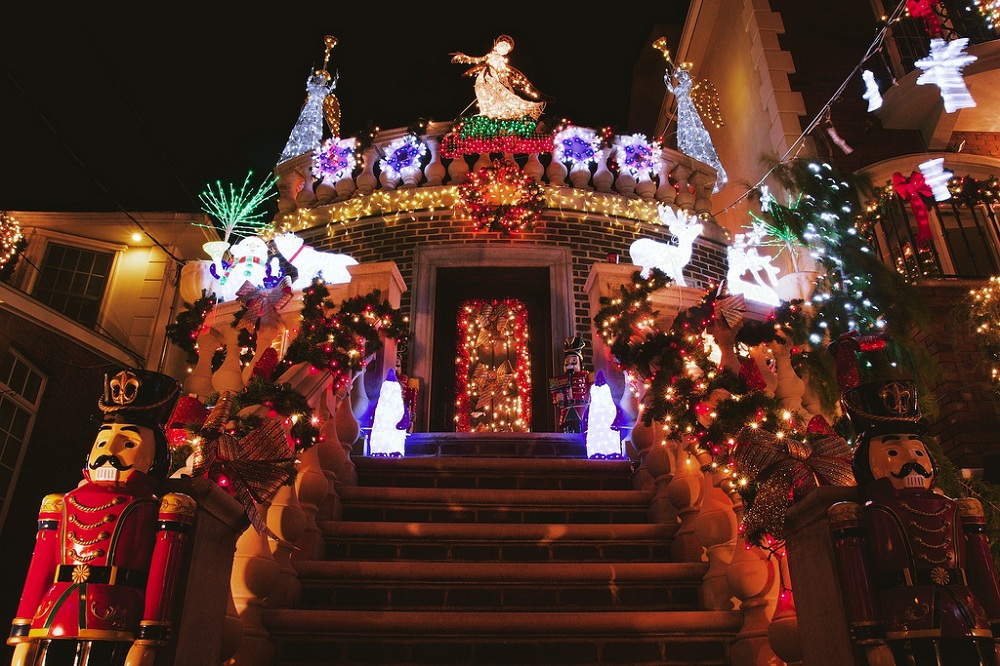
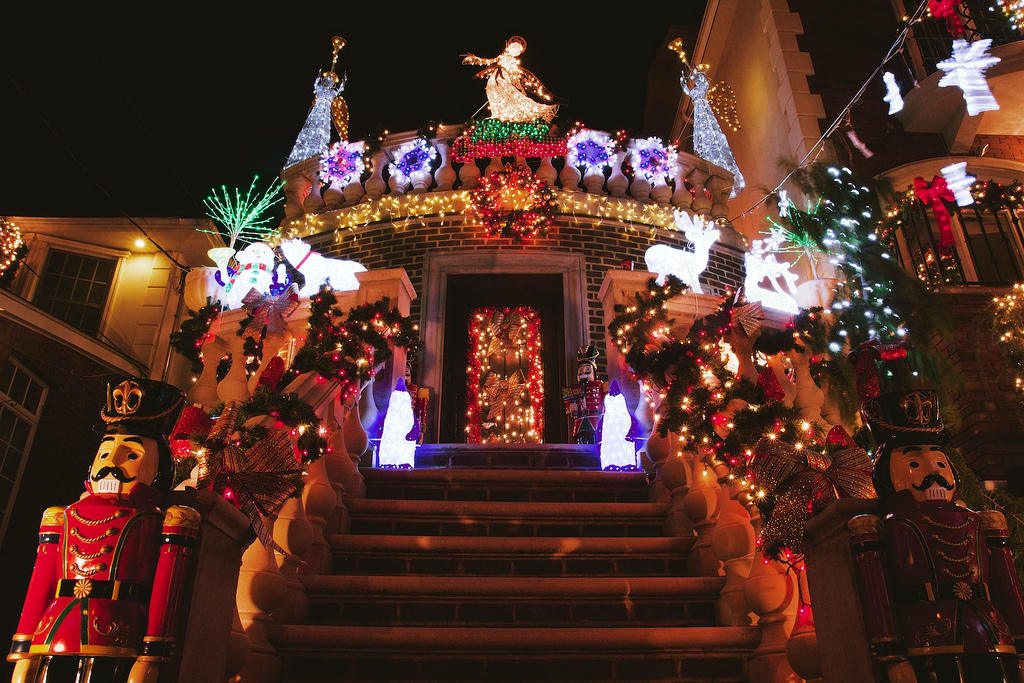
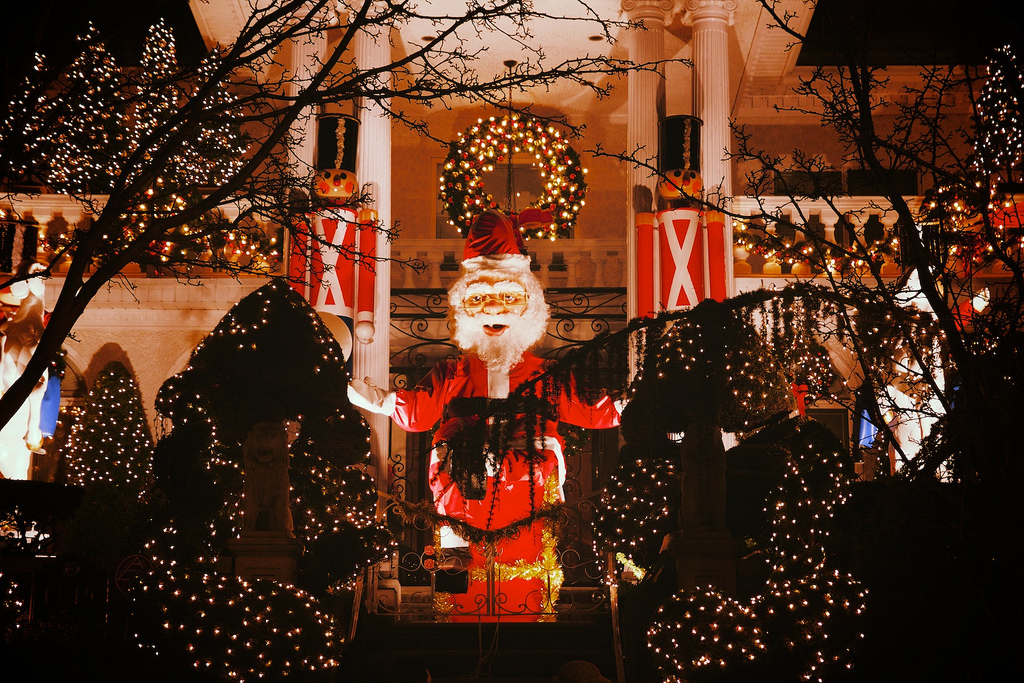
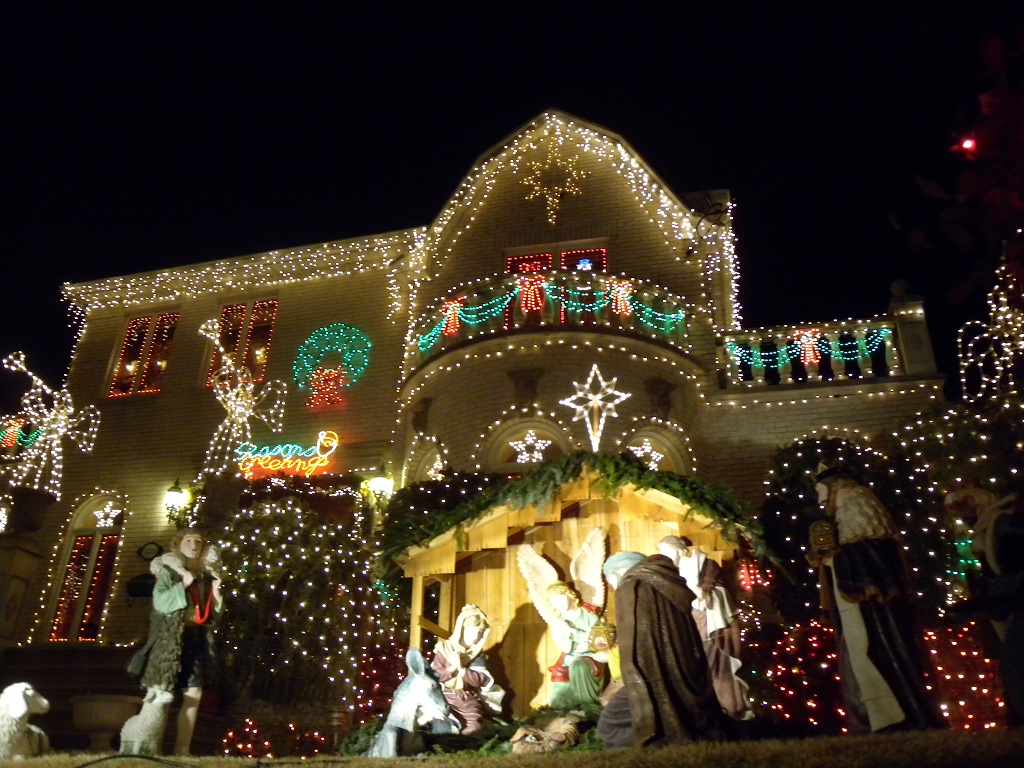
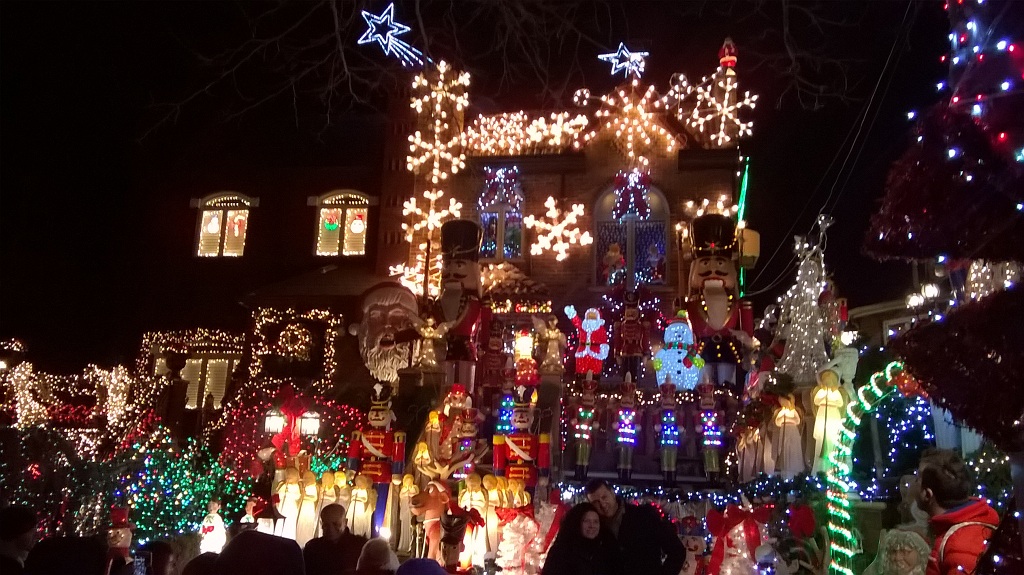
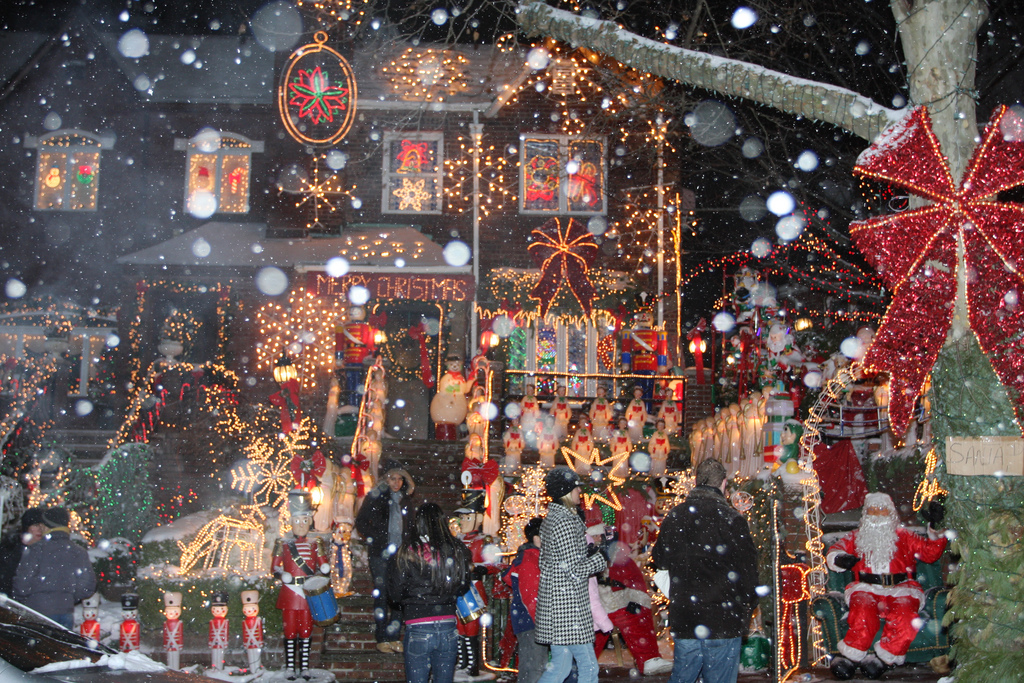
Maybe not everyone knows that Dyker Heights is a pretty residential neighbourhood in Brooklyn, which famous in the mid-80s for its very unique character. In fact, every year its residents begin a true decoration race in preparation for Christmas, rushing to be the first to make their house the most ‘Christmassy’ and admirable.

It is a ruthless struggle: the residents of Dyker Heights spare no expense when it comes to Christmas. For them it is a very serious matter!

It is said that some of them pay thousands of dollars in monthly electric bills in December in order to make the front of their houses stand out with countless light effects.

However, the decorations certainly do not end with illuminations. The residents of Dyker Heights begin working hard straight after Thanksgiving, letting their fantasies and imaginations loose, and the results are really surprising. The area is considered the undeniable capital of Christmas lights and has become a true tourist attraction over the years.

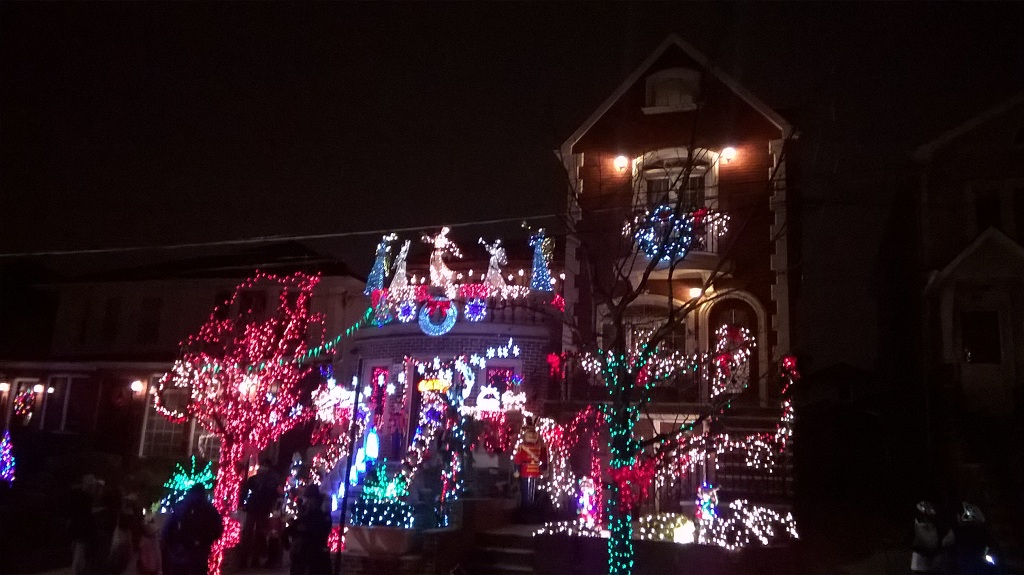
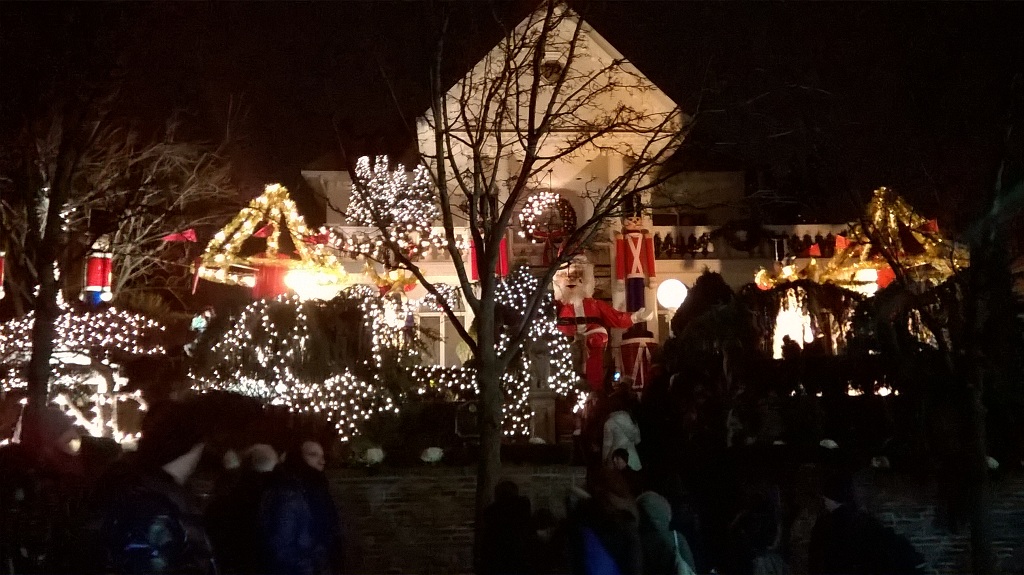
Other than lights, you can admire all sorts of decorations, mechanical dolls whose arms and wings move, entire moving scenes, balloons, and coloured wooden sculptures. Dyker Heights is a magical place, halfway between a Father Christmas village and a Disney film. It is a true wonder for children, but it does not stop there. It is impossible to not be infected by its Christmas spirit when everything is so colourful and splendid! Your mouth will hang open. It’s a unique and marvellous atmosphere that you absolutely can’t miss if you find yourself in New York during Christmas. It is easy to get lost among the lights and colours of this wonderful fairy-tale, and to be infected by its irresistible atmosphere. We went there ourselves: here is a small picture book of our wonderful experience.

Dyker Heights 2 Dyker Heights 3


Dyker Heights 4 Dyker Heights 5


Dyker Heights 6 Dyker Heights 7


Dyker Heights


The monastic community of Camaldoli

The monastic community of Camaldoli

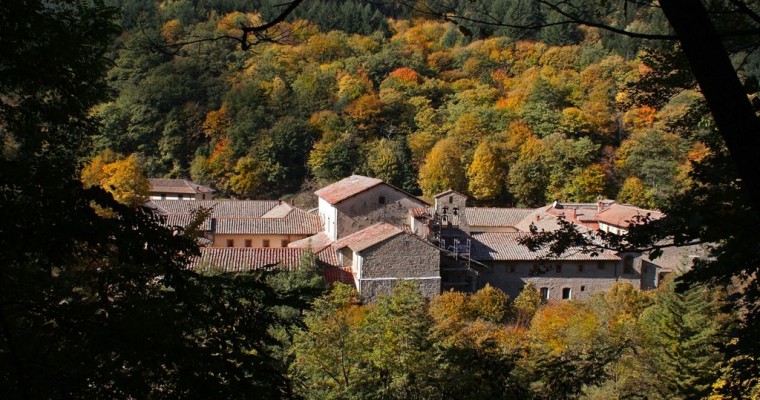
The Monastery of Camaldoli is in the heart of a secular forest, in one of the wild and impenetrable areas of the central Appennine ridge. It was built there in 1024, on the Tosco-romagnolo Apennines near Arezzo, by San Romualdo, a monk and Benedictine abbot,…

The expressiveness of the Willow Tree collection

The expressiveness of the Willow Tree collection

The uniqueness that embodies the enchanting works of Susan Lordi, an American artist from Kansan City, most likely resides in their infinite expressiveness. It may sound like a contradiction for those who know her work. In fact, the feature that’s immediately evident when admiring these…

Pope John Paul II: 10 curiosities you might not know

Pope John Paul II: 10 curiosities you might not know

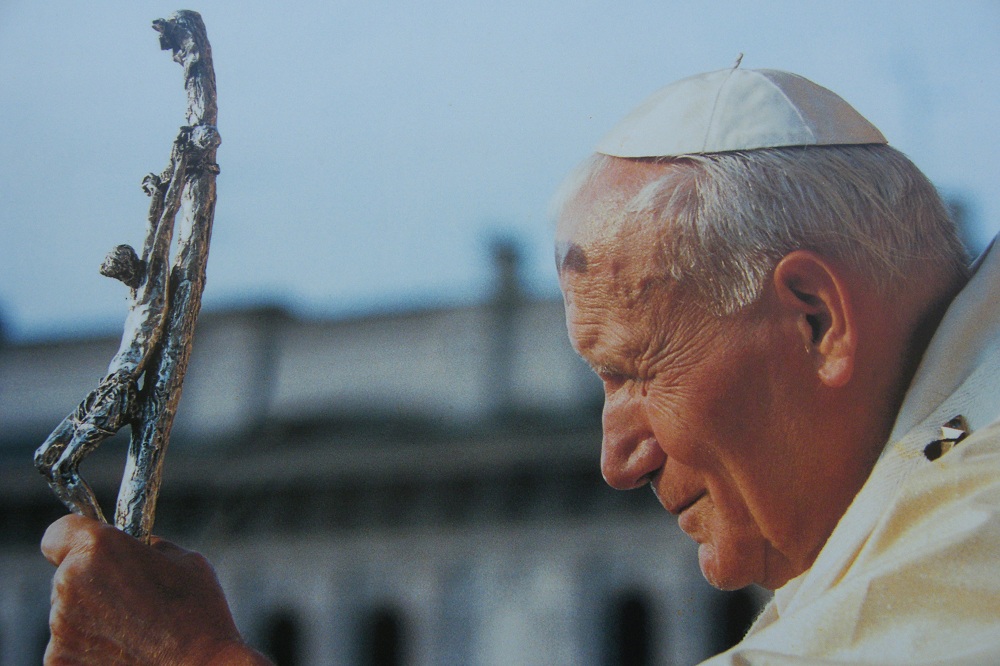
Pope John Paul II, or Pope Wojtyla, made the history of the twentieth century with his pontificate. He directed the Church for 27 years, establishing relationships with rulers and heads of state, taking part in the most significant events of our time with his constant presence and tirelessness, even when his health conditions wouldn’t allow it. A passionate man in love with life, close to young people as no other Pope before him.

But today we don’t want to talk about his early sanctification, his merciful acts, profound humanity, joy and admirable living. Maybe there is still something about him that you don’t know.

  1. John Paul II was the first non-Italian Pope after 400 years. Just elected, he appeared on the balcony of St. Peter’s Square, and to justify his unfamiliar knowledge of the language he pronounced the famous phrase: “… and if I’m wrong, you’ll correct me.”
  2. He was the first Pope after St. Peter to enter a synagogue. John Paul II always had a special relationship with the Jews.
  3. John Paul II was always on the move. He traveled more than all Popes before him put together! He officially travelled in 129 countries around the world, but also made secret trips, to enjoy relaxation and solitude.
  4. Always on the road, he received the honorary Globetrotter award. The Globetrotter have been promoting, since the late 19th century, a new form of travel with improvised and adventurous means.
  5. His passion for sport, in particular mountaineering, skiing and swimming, is the reason behind his nickname of ‘athlete of God’.
  6. He was the first Pope whose face appeared on a banknote, in the 50 Polish zloty since 2006.
  7. During his papacy he performed 1338 beatifications of 482 sanctifications: a record never equaled by his predecessors.
  8. The World Youth Days, started in 1985, reached 5 million people in 1995 in Manila. The most famous was the one in Rome in 2000 for the Jubilee, when the press invented the word ‘papaboys’ to describe the more than 2 million young people who came to the Tor Vergata Square for the Pope.
  9. John Paul II apologized for many acts of cruelty and barbarism committed by the Catholic Church over the centuries, such as persecution of Protestants, participation in African slave trafficking and the persecution of the astronomer Galileo Galilei.
  10. John Paul II appears among the 10 most important and admired people of the twentieth century according to Citizen’s chart Gallup, a US company specializing in world socio-demographic research.
The host in the Eucharistic celebration

The host in the Eucharistic celebration

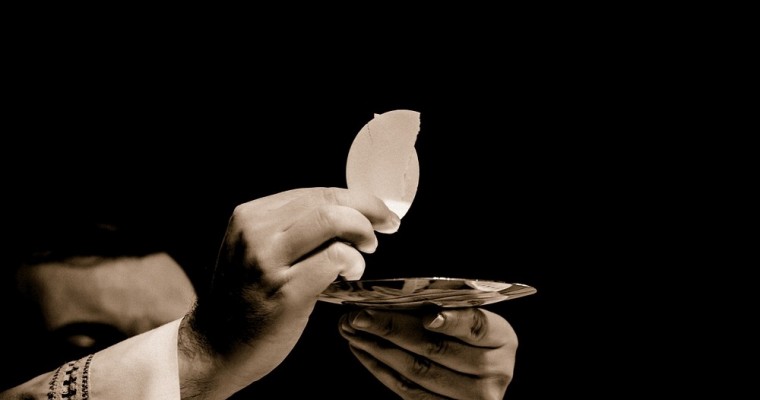
The host is the unleavened bread that symbolizes the body of Christ during the celebration of the Eucharist, the celebration which started by Jesus during the Last Supper. In fact, the host is not just a vehicle between us and Jesus, but, after the consecration it becomes…

The funeral from classic Greece to our day

The funeral from classic Greece to our day

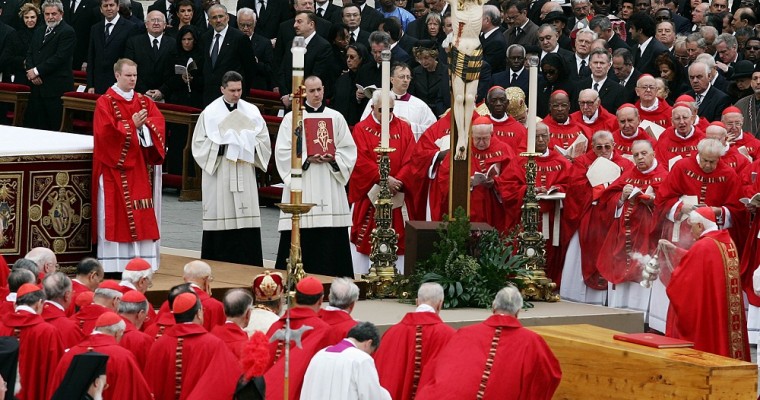
A person’s death has always represented an important moment in any human community since the origins of civilization. For this reason, funeral rites have always existed to celebrate this transition. These rituals change over time, and depending on geographical location, civil and religious costumes of…

A sweet gift for your baby: candy and confectionery from the Monasteries

A sweet gift for your baby: candy and confectionery from the Monasteries

Monasteries are not just places of gathering, spirituality, and prayer. Over the centuries the monks who lived there have deeply interacted with the surrounding area, learning to exploit its features and producing what’s necessary for their sustenance. Some monks decided to focus on a sweet art: the production of candy and sweets.

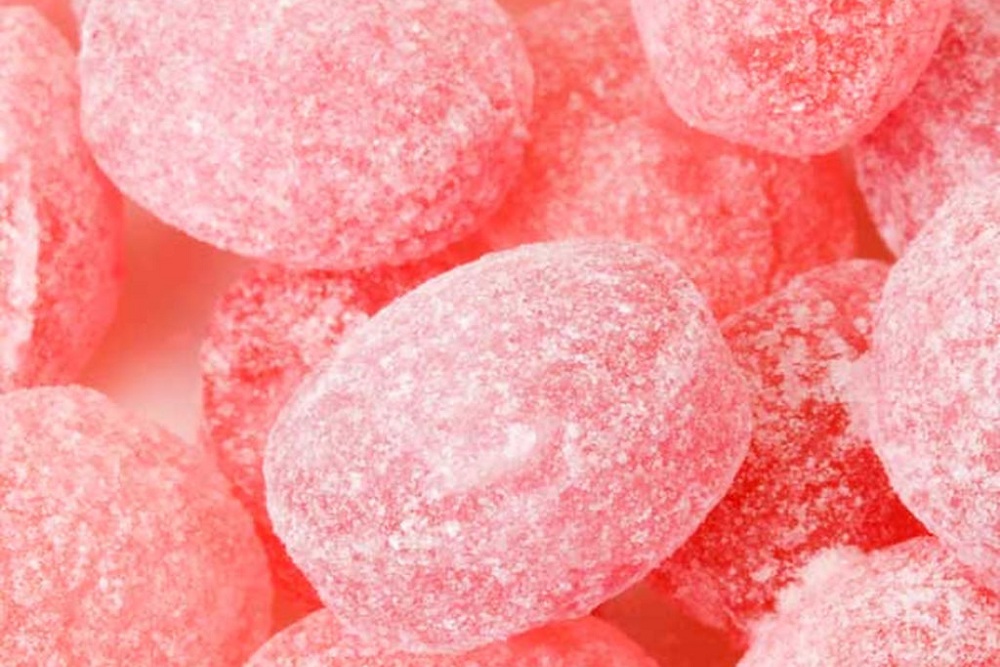
Candies of all shapes and flavors, all produced according to exclusive and often ancient recipes, always healthy, produced with quality and respect for raw materials, but also with special attention to the taste.

So, alongside the honey and propolis candies, good and healthy especially when you have bad cold, there are real delicacies based on berries cultivated by the monks themselves, such as the Candies Cranberry honey Finalpia or the delicious candies Finalpia raspberry gelée, produced with fruit juice and sugar, without using chemical additives and dyes. Or the delicious Candies gelée made with fruit of the monastery of Camaldoli or, from the same monastery near Arezzo, the irresistible mixed fruits candies, produced naturally, without dyes, according to an ancient and secret recipe, and packaged directly in the monastery. The barley candies, produced according to the recipe of the Camaldolesi’s Old Pharmacy, or candy drops of honey and royal jelly, a great source energy, or the famous pine buds, balsamic and necessary to face Winter with the right spirit.

These are natural candies, ideal for children, gluttons by nature, who will rediscover in these products the timeless sweetness of these small delicacies and at the same time avoid industrial confectionery made with additives, harmful to their health.

The ancient tradition of painted Greek icons

The ancient tradition of painted Greek icons

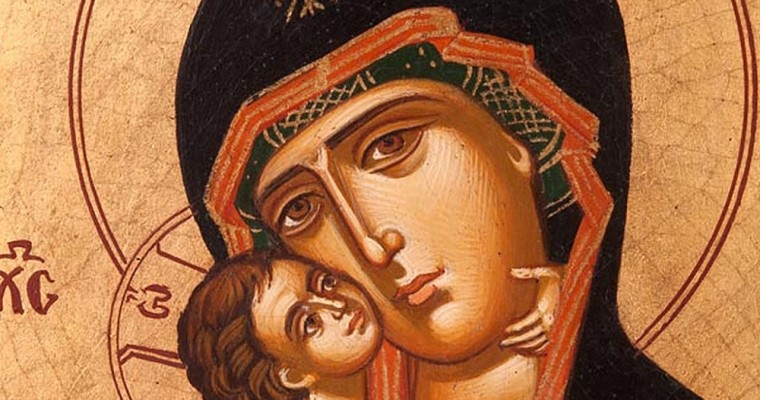
The term ‘icon’ describes a sacred painting depicted on board. Actually, the word could be used for any image, regardless of materials and techniques that were used. But generally speaking, works on board produced in the Byzantine and Slavic cultures fall into this definition. The…

Saint Paul of Tarso: story of a missionary

Saint Paul of Tarso: story of a missionary

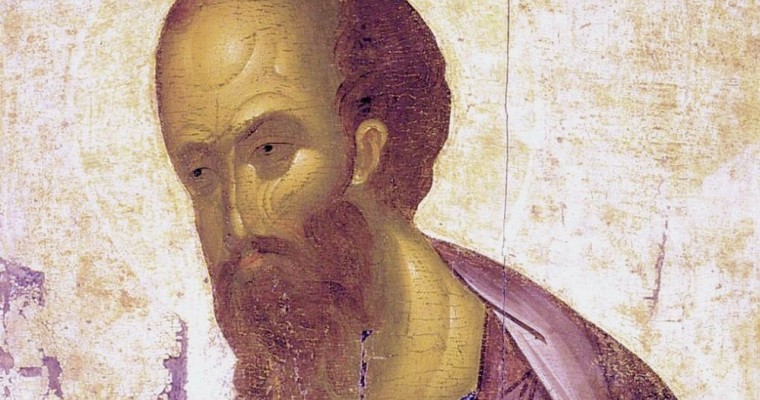
Saint Paul of Tarso can be considered the first great missionary of the Christian Church. His work as proselyte and contribution to spreading the Gospel throughout the Mediterranean find no equal. His excellence is even more remarkable because of his conversion, from the fierce persecutor…

Oil 31: Uses, Benefits and Properties

Oil 31: Uses, Benefits and Properties

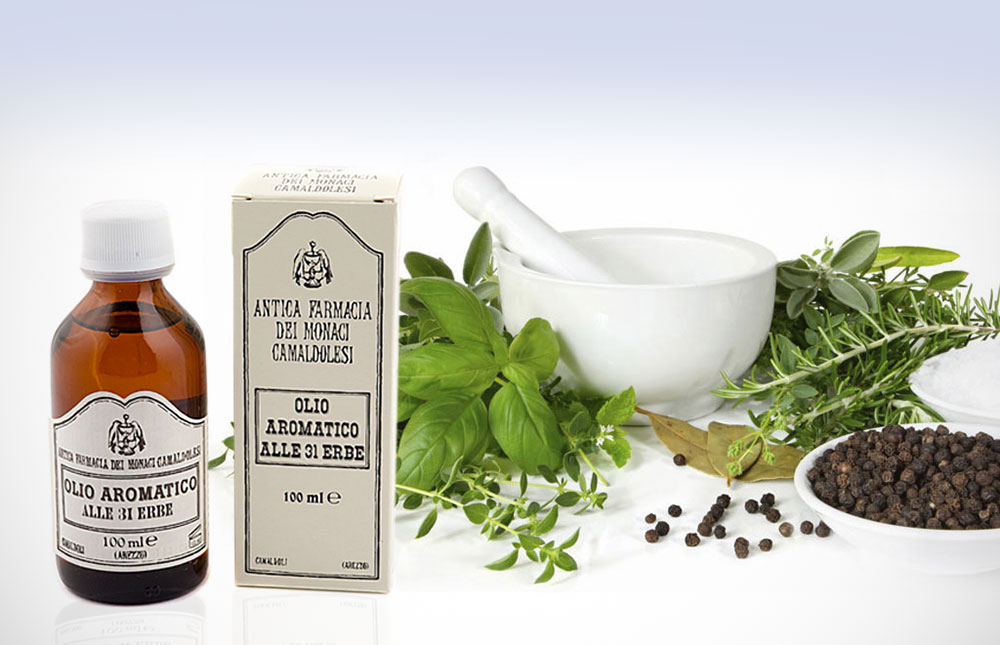
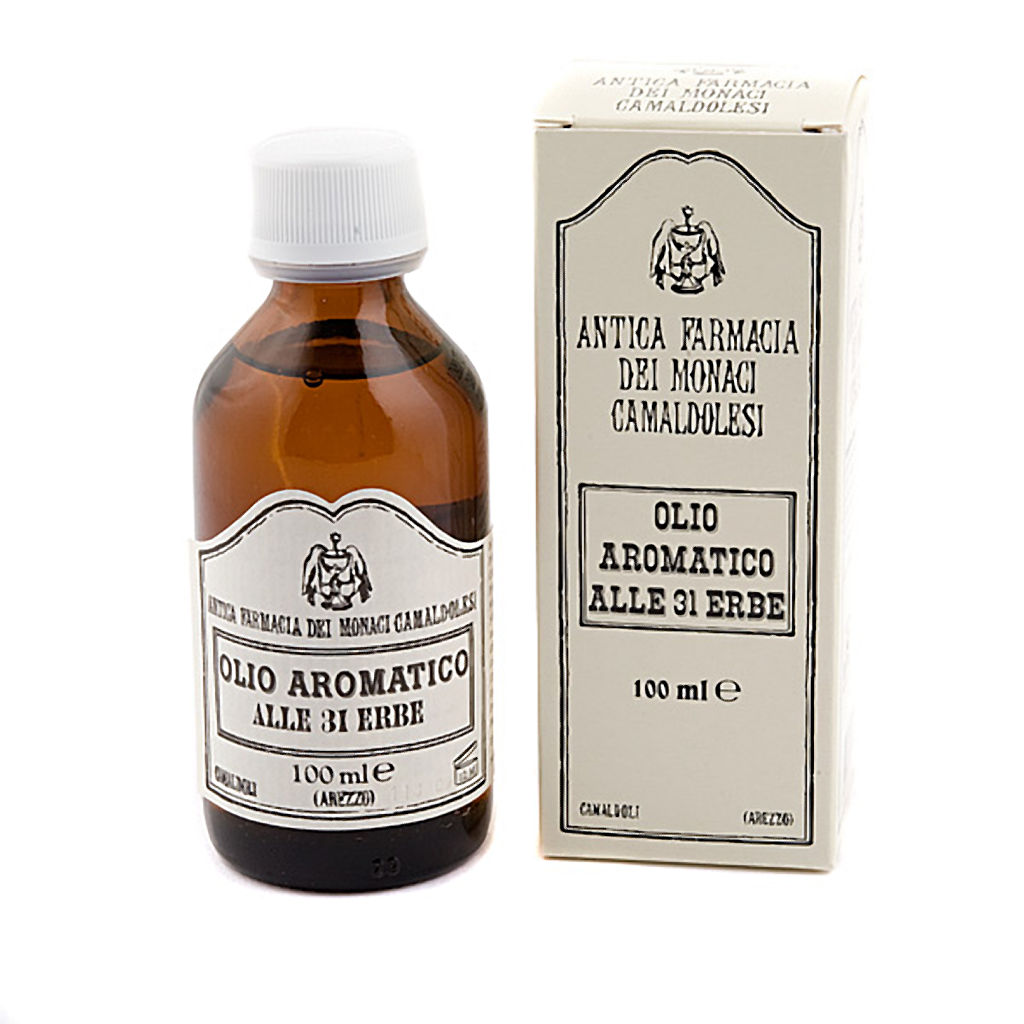
Oil 31 is a mixture of natural oils extracted from pharmaceutical plants.

Made of 31 essential oils extracted from as many herbs, Oil 31 has many healing, refreshing, balsamic, toning and disinfecting properties. The many uses and benefits that this product can bring to our health make it one of the most popular and used formulas not only by those who love natural medicine, but by anyone looking for well-being. The herbal plants that make it are endowed with active ingredients and amazing properties that make Oil 31 a perfect cure for a whole range of small and serious disorders.

Which herbs make Oil 31?

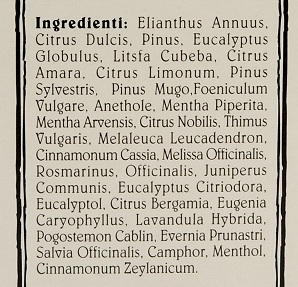
Which herbs make Oil 31The herbs that make up the 31 oils vary depending on the recipe chosen for its production. Generally the product is made according to an old Swiss formula, but this can have many variations. The herbs that are always present in Oil 31 are: Peppermint, Orange, Eucalyptus, Juniper, Dill, Salvia, Thyme, Rosemary, Siberian fir, Pine, Cumin, Coriander, Anise, Cinnamon, Cloves, Lavender, Lemon , Bitter Orange, Oregano, Pepper, Boswellia, Vanilla, Patchouli, Melissa, Artemisia, Ylang-Ylang, Jasmine, Fennel, Citronella, Roman Mint, Canfora. Other formulations include myrtle, rose wood, violet, ginseng and many other herbs and plants whose beneficial properties have always been known to humanity. It’s concentrated oil, which has to be used in very small doses. It does not grease and dries quickly.

How much Oil 31 should I use?

Considering the differences between the many formulations available on the market, it’s always better to refer to the dosage reported on the packaging. Depending on whether the product is more or less concentrated, different quantities of drops will be required. However, the quantities are always very small: being a concentrated product, it’s always better not to overuse.

What’s the purpose of Oil 31?

What can we use Oil 31 for? It can be used for many reasons; so many that the versatility of this exceptional product is really amazing! Let’s look at what Oil 31 does and what incredible benefits can bring to different aspects of your life.

Oil 31 is an excellent remedy against cold.Oil 31 is an excellent remedy against cold

Oil 31 has balsamic, expectorant and fluidifying properties that fight the formation of catarrh and simplify its removal, but also offers relief in case of blocked nose and breathing difficulties.

Just put a drop of Oil 31 underneath the nostrils or with the handkerchief used to blow your nose to make your breathing less stressful.

A few drops of oil 31 in a bowl of boiling water will make a balsamic soup that will offer relief to congested nose and throat. Likewise, Oil 31 can be used during Aerosols.

A few drops in the radiator will make the room more welcoming for anyone with irritable or blocked nose. Oil 31 can also be added to milk and honey for a sweet and comforting hot drink for throat and nasal congestion. Mixed with lemon juice, it will be perfect for soothing gargling inflamed throats.

Oil 31 is an effective method to prevent and heal muscular and joint problems.

The anti-inflammatory and pain properties of these herbs not only ease contractures’ pain, for example cervical pain, but also prevent headaches.

10 drops of oil 31 mixed with a body cream is an ideal solution for numbness of muscles and joint pains. It’s enough to spread the ointment obtained on the sore parts for a couple of days, until full absorption. The faint properties of Oil 31 will also be beneficial in case of inflammatory and torsional pain. Few drops on the temples will ease the most persistent headaches.

Oil 31 cleans and disinfects teeth and gums.

To rinse your mouth with a little water and a few drops of Oil 31 will keep your oral cavity clean, and prevent heavy breath even for smokers. Added to the toothpaste on the toothbrush, it gives a nice breath and reinforces the gums. A few drops of Oil 31 in a glass of water are ideal for disinfectant flushing and gargle, or even to soothe irritated gums.

Oil 31 is a powerful antibacterial and antiseptic.

Its formulation allows disinfecting body and home, giving a sense of freshness and cleanness. It can be used to perfume home and cabinets, or added to the diffuser on the heathers to make the air cleaner.

It’s effective against small wounds, itching caused by insect bites and as a natural after-treatment. Its soothing properties heal cuts, scratches and escorts, removing itching and annoyance. It even prevents the dandruff!

Oil 31 - Holyart
Oil 31 – Holyart

Oil 31 eases the belly cramps, even in the case of a menstrual cycle, and helps digestion.

By massaging the belly with a few drops of Oil 31, you’ll get rid of all kinds of abdominal cramps. Two drops swallowed with a little sugar or mixed with a cup of chamomile before each meal helps with digestive problems. Have a cup of chamomile or hot water with 3 drops of Oil 31, a little honey and a few drops of olive oil in the morning before breakfast and in the evening before bedtime is an excellent regulator for your metabolism.

Oil 31 is an incredible cream for swollen legs and feet.

Oil 31 has exceptional refreshing and soothing properties. When the heat makes your legs heavy and your feet swollen, add some drops to the bubble bath and have an invigorating shower; alternatively, add it to the body cream for a relaxing massage and instant relief. Oil 31 is also great for relaxing pedicures and foot massages.

Oil 31 gives energy and tone to body and mind, preventing stress.

Immerse yourself into a hot tub filled with 20 drops of Oil 31 to experience a relaxing and energizing experience, as well as a joy for your breathing.

Combined with massage oil or moisturizer, Oil 31 is excellent for massages of any kind, or simply for a scented and refreshing cuddle.

By itself, or combined with soap, Oil 31 gives freshness and a scent to the whole body.

Oil 31: Some feedback

After describing the incredible properties and benefits of Oil 31, we decided to let our customers speak for us. Below you’ll find some reviews that were written by those who bought the Oil 31 of the Camaldolese monks that you can find here on Holyart.

Michele M.

“Very good. I heard of it before and was pleasantly impressed with the perfume (especially for those who have a cold like me). Fast shipping: it arrived one day after ordering it. Highly recommended”

Massimo T.

“This is the first time I’ve used the product. I found it extremely useful, and it unblocks the nose in case of colds. Also useful when put in the humidifiers of the radiator to purify the air”

Pier M.

“Very useful for massages, or when added to the aerosol in case of colds or bronchitis, or just before going to sleep: some drops on your chest will help you breathe better.”

Ornella F.

“It’s a fantastic product. My right arm hurt for months, I massaged 3 times with Oil 31: the pain is still there, but it’s much lighter. Before I didn’t have any strength … I had a similar problem with my foot: I have arthrosis, and it can be incredibly painful especially when I walk. With Oil 31, I can ease the pain … It’s funny because I never believed in herbs… “

Manuela L.

“It’s an extremely versatile product. I used it for neck massages to find cervical relief. It’s amazing for headaches. I almost have to put it under lockdown since my family loves it too!! I’ll take another one.”

The story of Mother Teresa of Calcutta

The story of Mother Teresa of Calcutta

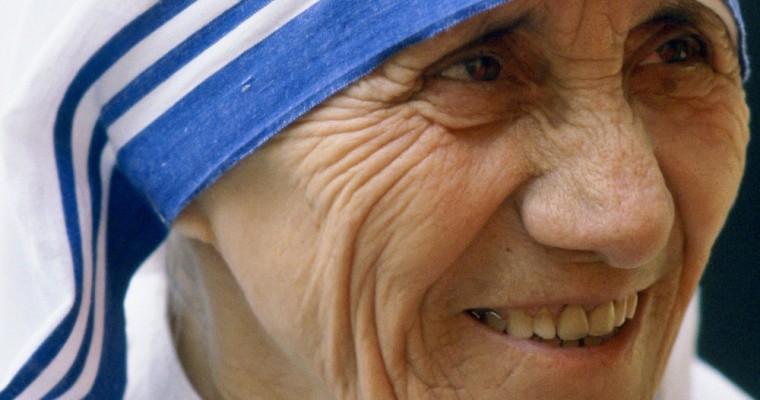
We will always remember Mother Teresa of Calcutta for her untiring will to help the last ones, the deprived and poor. Today she is a Saint, celebrated all over the world, and surely one of the most important figures in modern history, awarded with the…

Pentecost: the day when we celebrate the Holy Spirit and the birth of the Church

Pentecost: the day when we celebrate the Holy Spirit and the birth of the Church

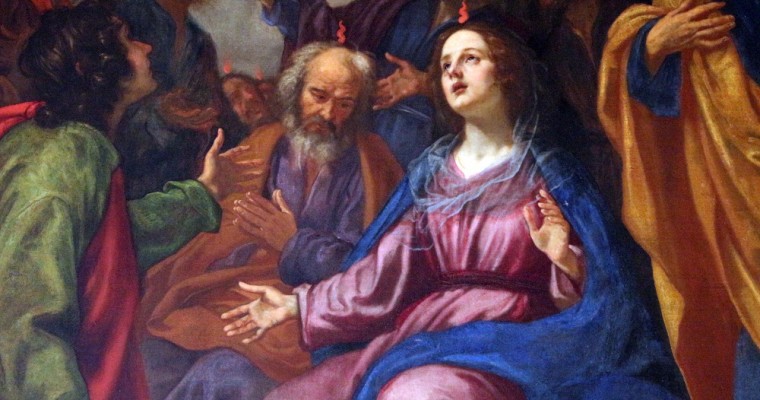
Pentecost is perhaps, after Easter, one of the most important festivities of the Catholic Church. It’s the celebration of the descent of the Holy Spirit, the third person of the Most Holy Trinity, after the Resurrection of Jesus and, in a sense, the very birth…

The feast of Corpus Christi

The feast of Corpus Christi

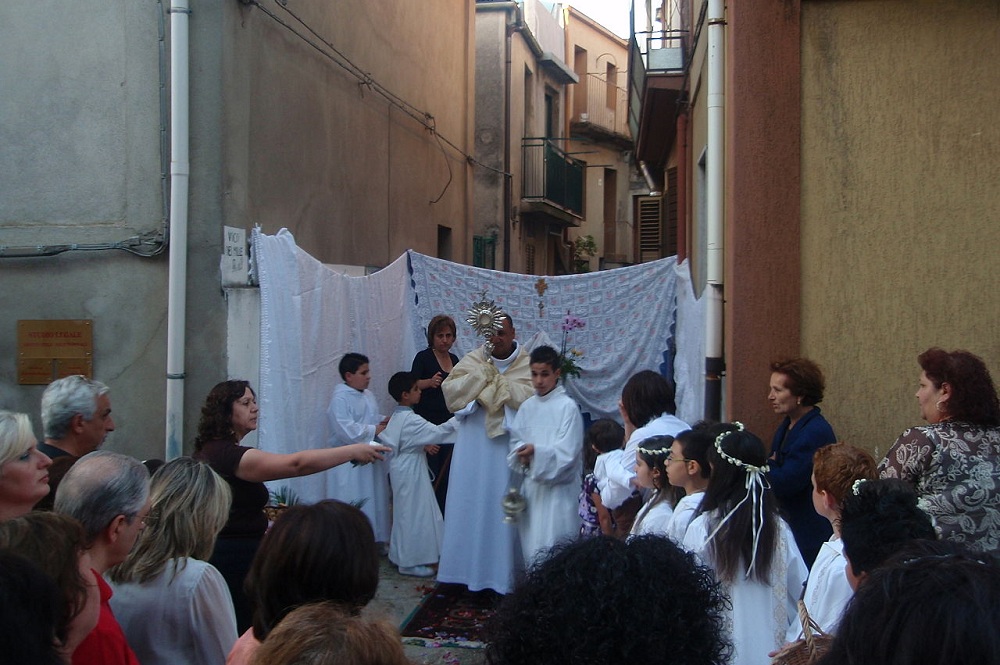
The feast of Corpus Christi (“Body of Christ”) ends the festival that follows after Easter. It is celebrated on Thursday after the celebration of the Holy Trinity, although in many countries it falls on the following Sunday. The feast of Corpus Christi celebrates the real presence of Christ during the Eucharist, therefore opposing the theory of Berengario di Tours, who claimed that such presence was not real but merely symbolic. This commemoration was born in the 13th century after the visions of a Belgian mystic, Giuliana of Retìne, and commemorates the origin of the mystery of the Eucharist.

In the vision of Giuliana di Retìne, the moon was full, white and shining, with a shadowy area. The mystic woman interpreted that apparition as the lack of a celebration that commemorated the Eucharist in the Church at the time for what it really was: the incarnation of Christ in the bread of the last supper. Subsequently, as to give credit to this conviction, the Eucharistic miracle of Bolsena took place: blood-drops dropped from a consecrated host and spotted the corporal worn by the priest and some of the altar’s stones. From that moment, Pope Urban IV, Giuliana’s friend and confidant, ordained that the solemnity of the Corpus Christy was official and extended to the entire church.

The corporal of the Bolsena’s miracle is still a very important element for this celebration. Every year, on Sundays after the feast of Corpus Christi, it is brought to procession along the streets of Orvieto.

The feast of Corpus Christi celebrates the relationship between the Eucharist and the Church. The Eucharist represents as the body of Christ, the Church as its mystical body, which takes origins and its deepest meaning from the former.

Everywhere the feast of Corpus Christi is celebrated with commemoration and mostly processions in which a consecrated host is exhibited to the faithful, a symbol of Jesus made of flesh and blood who sacrificed himself for us all.