Homepage | Religion | Ave Stella del Mare: the Invocation to Mary, Star of the Sea
Ave Stella del Mare: the Invocation to Mary, Star of the Sea
19 August 2026
Reading Time: 5minutes
Ave Stella del Mare is a heartfelt invocation to Mary, Star of the Sea (Stella Maris), one of the oldest Marian titles. How did this prayer originate, and what does it mean?
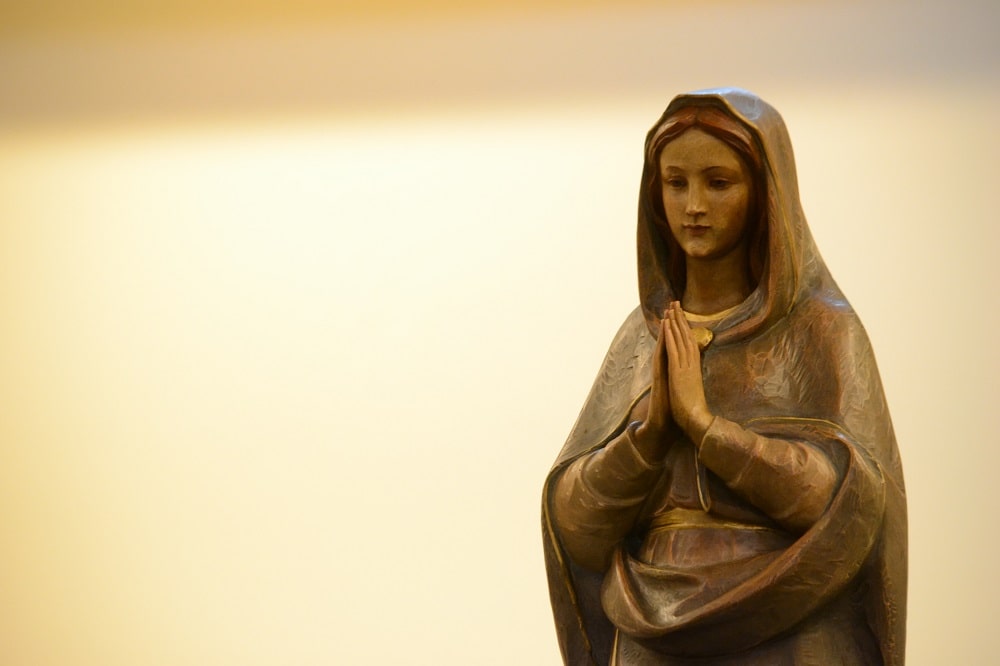
The figure of Mary, the mother of Jesus Christ, has always held a central place in the devotion and veneration of Christians. Throughout the centuries, the faithful have turned to her with hope and trust, invoking her as a guide and protector in many different circumstances of life. Devotion to Our Lady has always accompanied that of Christ, even in the earliest days of Christianity. One of the oldest and most evocative titlesattributed to Mary is Stella Maris, which identifies her as a kind of Pole Star for Christians, a guide and a source of hope for those who venture upon the sea and, in a broader sense, upon the perilous waves of existence. This title also recalls the concept of the Hodegetria, the Madonna of the (right) way, beloved in Byzantine and medieval Russian iconography, “She Who Shows the Way”. From the Marian title Stella Maris comes the beautiful prayer Ave Stella del Mare.
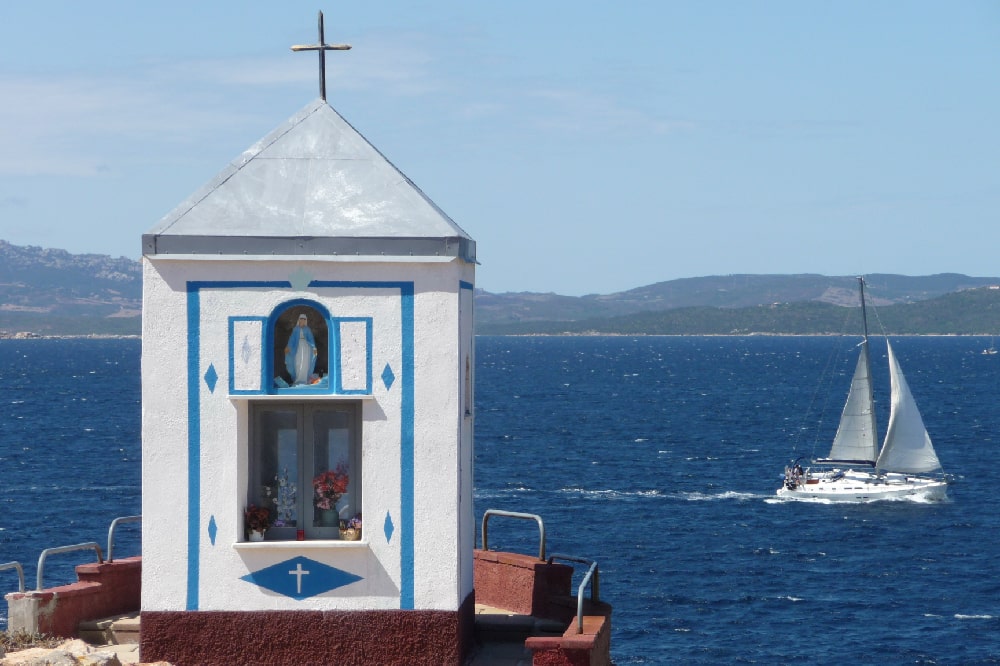
Just as the Pole Star guides sailors through the darkness of the night, so Mary, Star of the Sea, is invoked as the spiritual guide for those who venture upon the sea, and beyond. Sailors, fishermen and travellers have always found comfort and protection in their devotion to Mary, trusting in her intercession for a safe voyage and a secure return home. Her radiant presence in the lives of those surrounded by the waves represents a constant source of hope and confidence. Yet this sense of protection associated with the Virgin extends far beyond sailors and travellers. Anyone who feels lost and alone may turn to this radiant and infinitely loving Mother with hope and trust, certain that she is ready to offer consolation and guidance towards safer harbours. Invoking Mary as Stella Maris means entrusting oneself to her maternal intercession, confident that she is able to guide and protect those who place themselves in her care as they seek Christ and struggle against the adversities of the world.
The title Stella Maris is a powerful and meaningful image within the Christian tradition. It has a fascinating and ancient origin, linked to the sea and the stars. In fact, it derives from the star of Ursa Minor, long known as the Pole Star or the North Star. Since antiquity, this brilliant star has been the principal point of reference for navigation at sea, and this alone helps us understand why it came to be associated with Mary, the guide and protector of humanity. Yet the attribution of the title Stella Maris to the Blessed Virgin actually arose from a transcription error made by an unwary copyist while producing a copy of the Onomasticon by Eusebius of Caesarea in the Latin translation by Saint Jerome. In his text, Jerome had referred to the Virgin as stilla maris, “drop of the sea”, translating the Hebrew name Miryam. The copyist, however, wrote Stella Maris instead of Stilla Maris, unintentionally creating a new and deeply evocative Marian title.
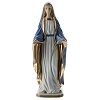
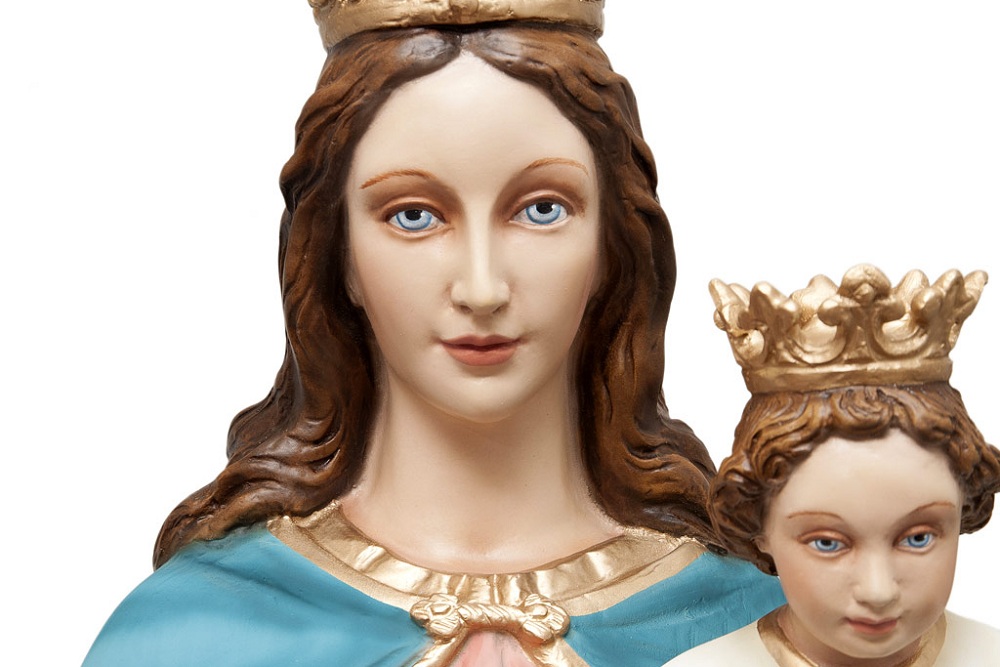
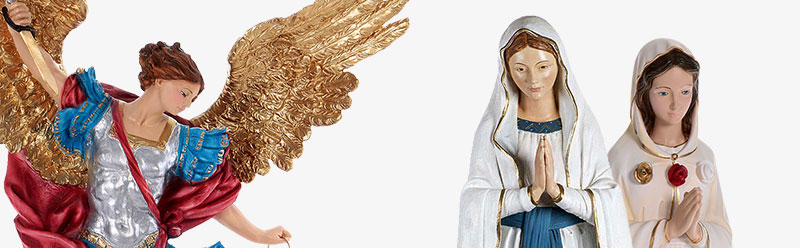
The Immaculate Virgin Mary statue is produced in very fine porcelain and is hand painted…
In the centuries that followed, many theologians and men of faith embraced the image of Mary as the Star of the Sea, recognising in her a guide capable of leading all who believed and trusted in her safely beyond every storm. Thus did Saint Paschasius Radbertus in the ninth century, while in the twelfth century Saint Bernard of Clairvaux described turning to and entrusting oneself to Mary, Star of the Sea, in the darkest moments of life, when overwhelmed by temptation and adversity, as an act of faith and trust.
Yet even in being compared to a star, Mary never loses her humility. Seen from the sea, the stars appear as nothing more than tiny points of light in the heavens, regardless of how immense they truly are. Mary, the brightest of these little stars, is a light suspended above the Abyss, shimmering, distant, yet ever-present, making even the darkest night a little less bleak.
The association of Mary’s name with the Pole Star and the devotion that arose from it led to the creation of one of the oldest and most moving Marian prayers: Ave Maris Stella, “Hail, Star of the Sea”. Dating approximately to the seventh century, it is a hymn of praise and devotion to the Virgin Mary, inviting the faithful to turn to her as a radiant guide and source of consolation amid the challenges of life.
The origins of the prayer remain uncertain. It has been attributed to Venantius Fortunatus, Bishop of Poitiers (c. 530-607), to Paul the Deacon, or perhaps to Robert II or Saint Bernard. It was, however, already recorded in the Codex Sangallensis, preserved at the Abbey of Saint Gall.
The prayer is, in every respect, a poem composed of seven accentual quatrains without rhyme. For centuries it formed an integral part of the Divine Office, the Office of the Blessed Virgin Mary and Vespers. In the opening antiphon, Mary is addressed by recalling the greeting of the Archangel Gabriel at the Annunciation, calling her Star of the Sea, Mother of God, Ever Virgin and Gate of Heaven, acknowledging her as a guide and point of reference:
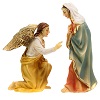
The statues are made of resin and have a maximum height of 8 cm.
The following stanzas contain direct petitions to the Virgin Mary, asking for her maternal intercession and for her to bring light to those living in the darkness of life:
Loose the chains of the guilty,
give light to the blind,
drive away our evils,
grant us every good.
The Virgin is also asked to keep her children innocent, pure and humble of heart:
Holy Virgin above all others,
gentle Queen of Heaven,
keep your children innocent,
humble and pure of heart.
The prayer reaches its climax and concludes with a hymn of praise to the Most Holy Trinity: God the Father, the Son and the Holy Spirit:
Praise be to God the Father,
glory to Christ the Lord,
and to the Holy Spirit,
the Holy Trinity alone be honoured.
Frequently used as a text for Gregorian chant, the prayer Ave Maris Stella has been taken up by many distinguished composers over the centuries and set to music as a sacred hymn. Acadia, a small region of North America on the Atlantic coast, has adopted a modified version of it as its national anthem.
On 5 October, the liturgical memorial of Saint Faustina Kowalska, mystic and devotee of the Divine Mercy devotion, is celebrated...
What’s the Future of Religion?
What’s the Future of Religion?
A Beginner’s Guide to Christianity
A Beginner’s Guide to Christianity
Mind-Blowing Statistics About Christianity You Need to Know
Mind-Blowing Statistics About Christianity You Need to Know
8564
Enter the Holyart world: $20 discount voucher valid on over 60,000 items
Come and discover Holyart, the largest e-commerce of religious articles in Europe and immediately receive a $20 voucher to use with your first purchase.
Check your mailbox: you will receive your discount within 5 minutes





 30 September 2026