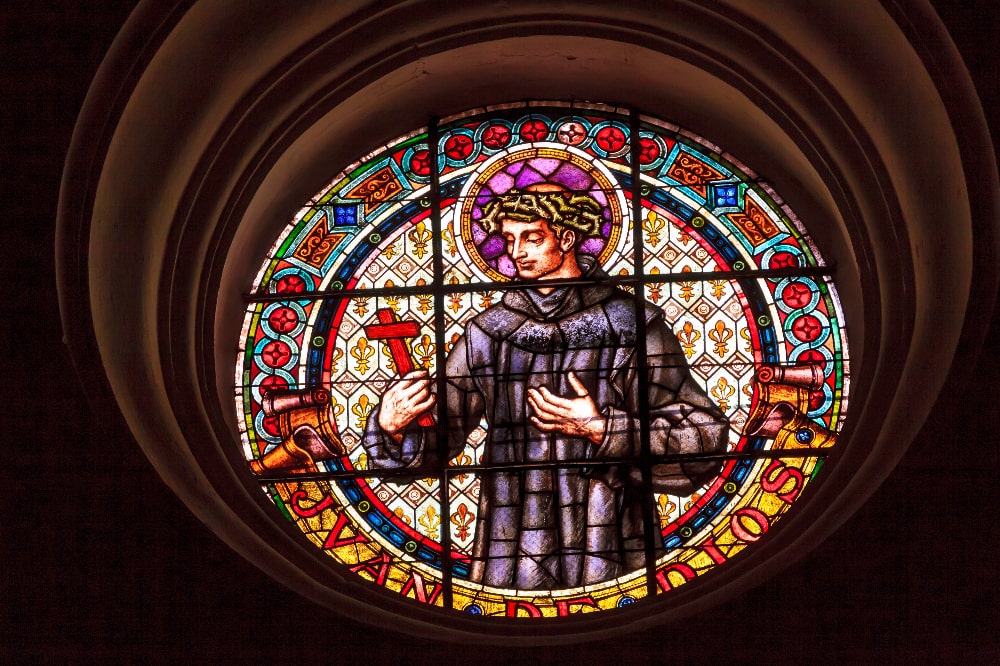
Saint John of God made charity and the care of the sick and destitute his life’s mission. Here is how his vocation lives on today through the Hospitaller Order of the Fatebenefratelli.
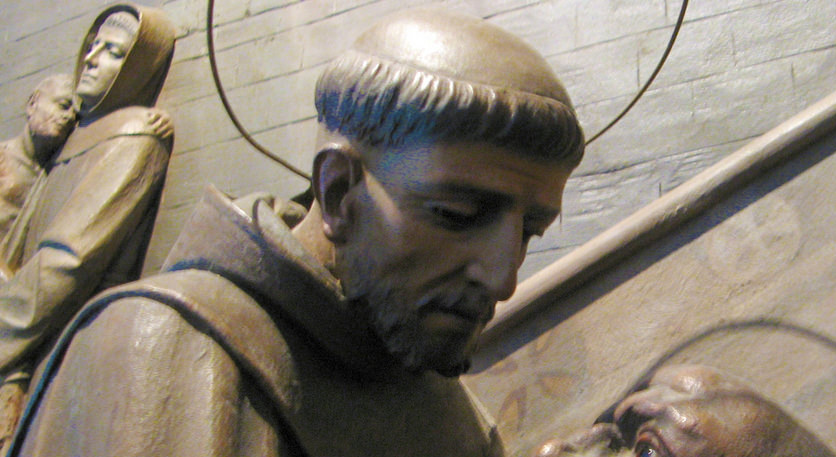
Saint John of God (born João Duarte Cidade) was a Portuguese friar who lived in the 16th century and is venerated as a saint by the Catholic Church. His life and works stand as a testament to his religious devotion and his commitment to serving others, especially the most needy and the sick. This commitment culminated in his founding of the mendicant hospitaller order known as the Brothers Hospitallers (or Fatebenefratelli).
The first part of his life was adventurous to say the least—worthy of a picaresque novel. He left his family while still a child and was welcomed into the home of Francisco Cid, known as “el Mayoral”. He served as a shepherd and later as a soldier, wandering across Europe and Africa while adapting to the most varied trades, from farm labourer to street vendor and bookseller.
It was specifically while selling books in Granada that his life changed radically. The seeds of a vocation that had been germinating within him for some time led to a profound religious crisis, fuelled by the sermons of Saint John of Avila. Due to this crisis, he was deemed “mad” and consequently confined to a hospital. Indeed, John of God wandered the streets gripped by an uncontrollable urge, addressing passers-by with the phrase: “Do good to yourselves, brothers.” (Fate bene, fratelli, a voi stessi.) It is from this very emblematic phrase that the order he established would one day take its name.
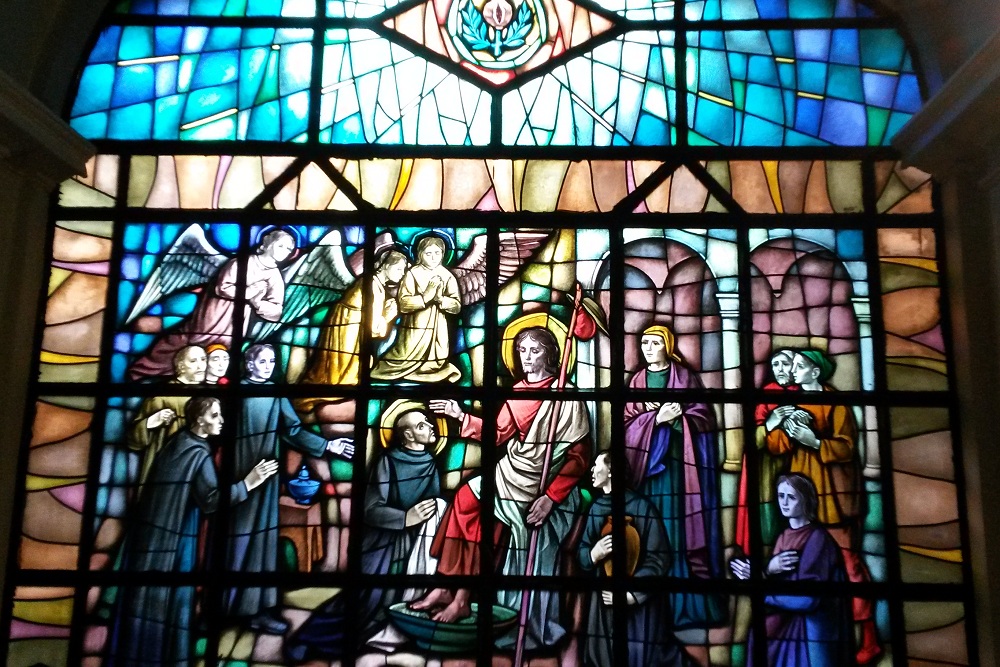
Upon his release from confinement, John decided to devote himself entirely to the religious life with immense fervour. He went on a pilgrimage to the Royal Monastery of Santa Maria de Guadalupe in the Spanish province of Cáceres; on his return to Granada, he placed himself at the service of the sick, the destitute, and prostitutes. His contribution was not limited to physical assistance but included emotional and spiritual support for those in distress. His dedication to the vulnerable was extraordinary, and soon many followed his example, dedicating themselves to works of mercy and asking for charityusing his famous exhortation: “Do good to yourselves! Do good, brothers!”
Read more:
Giving alms: is it charity?
Almsgiving to the poor is a manifestation of mercy strictly connected to the duties of a good Christian. In some ways, it is also a form of justice …
The Archbishop of Granada gave John the nickname John of God and encouraged him to open his first hospital.
Saint John of God died on 8 March 1550, but his legacy of compassion and dedication to service outlived him. In 1690, Pope Alexander VIII canonised him, and roughly two centuries later, in 1886, Pope Leo XIII named him Patron Saint of hospitals and the sick, alongside Saint Camillus de Lellis. Since 1930, he and Saint Camillus have also been the Patron Saints of nurses.
Following the death of Saint John, the Order of the Brothers Hospitallers continued his work of charity and care for the sick and poor, distinguishing itself through compassion, commitment, and expertise in treating a wide range of illnesses. The order spread rapidly across Europe and beyond, contributing to the founding of hospitals and care facilities, the improvement of sanitary conditions, and the relief of human suffering in many cities.
Even today, the Brothers Hospitallers continue to play a significant role in healthcare and charity. They have adapted to the changes and needs of modern society by expanding their activities to include social services, elderly care, and palliative care, all while maintaining their primary commitment: the care of the sick.
Furthermore, the order is committed to the work of evangelisation through preaching and hospitality, spreading the Gospel message of love and hope.
Officially recognised by the Church as a mendicant order, its members do not live in enclosure or retreat; they welcome consecrated laypeople, priests, professional staff, and volunteers into their ranks.
The Order of the Brothers Hospitallers is currently present in approximately 400 healthcare and social worksworldwide, with 22 communities located in Italy.
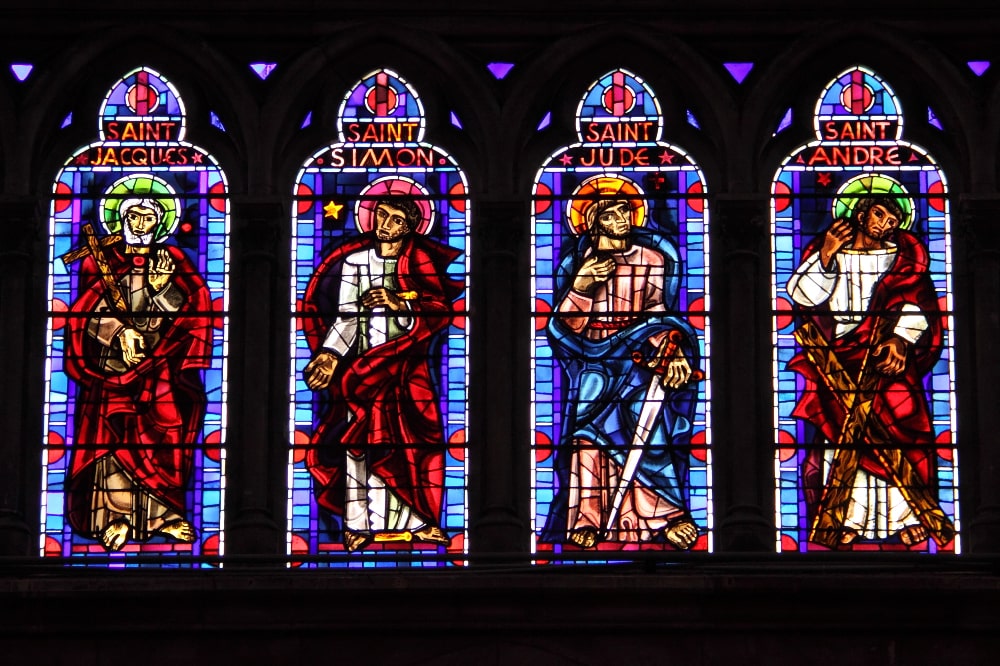
On 28 October the Church celebrates the joint liturgical memorial of Saint Simon the Zealot and Saint Jude Thaddeus. Here...
What’s the Future of Religion?
What’s the Future of Religion?
A Beginner’s Guide to Christianity
A Beginner’s Guide to Christianity
Mind-Blowing Statistics About Christianity You Need to Know
Mind-Blowing Statistics About Christianity You Need to Know
8384
Enter the Holyart world: $20 discount voucher valid on over 60,000 items
Come and discover Holyart, the largest e-commerce of religious articles in Europe and immediately receive a $20 voucher to use with your first purchase.
Check your mailbox: you will receive your discount within 5 minutes

 Read more:







 28 September 2026