Author: Redazione

The Annunciation of the Blessed Virgin Mary

The Annunciation of the Blessed Virgin Mary

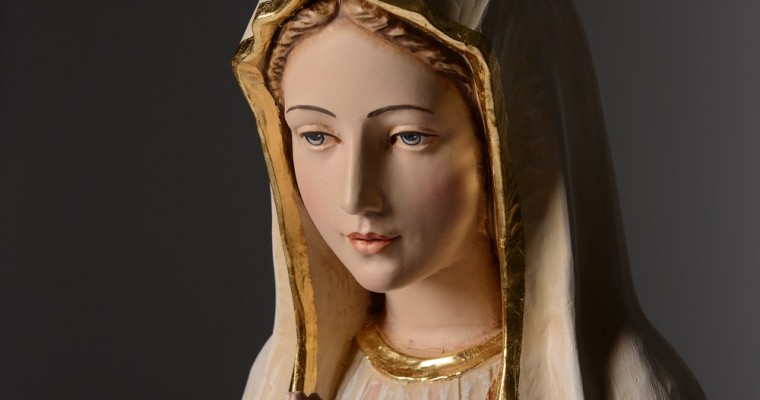
The Annunciation of the Blessed Virgin Mary is one of the highest and most evocative points within the Catholic Christian religion. Its symbolic and spiritual value is immense, as is the exact moment in which God held out his hand to men and gave them…
Pope Francis’s tips for Lent

Pope Francis’s tips for Lent

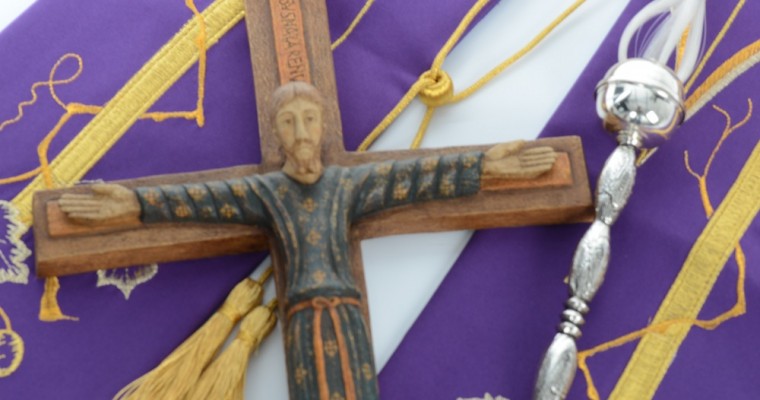
Lent is the liturgical period preceding Easter and, in a sense, it allows the faithful to prepare for its celebrations. It begins on Ash Wednesday and ends on Holy Thursday, and is characterised by fasting and penance, prayer and charity, in a path of purification…

How to pray the rosary – 10 important steps

How to pray the rosary – 10 important steps

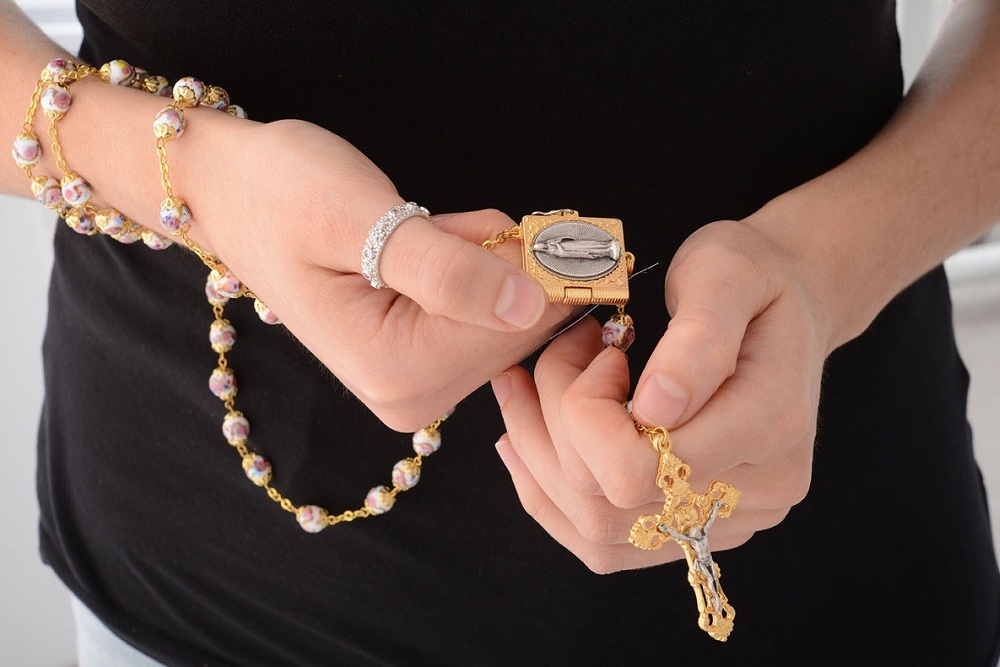
The crown of the rosary is formed by grains held together by a wire or a cord. Each bead of the rosary symbolises an invocation and a Christian prayer. It is therefore a valuable tool to accompany and articulate the prayers of the faithful, and to also promote meditation, in a moment of communion and closeness to God.

Here is how to correctly pray the rosary:

  1. Take the crucifix between your fingers and recite the Creed, the highest and most authentic statement of faith for Catholics, a way of emphasising your belief of the existence of God, Christ and the Holy Spirit.
  2. First Rosary bead: Our Father. After the Creed, the hand slips to the first bead and you recite the Our Father, the prayer that Jesus taught his disciples so that they might turn to the Father as a sign of devotion.
  3. Three grains for the Hail Mary. Sliding the fingers to the three beads that follow the first, you must recite the Hail Mary prayer three times, symbolising Faith, Hope and Charity.
  4. Doxology: the Glory. The next bead corresponds to a prayer that praises, exalts and glorifies God. It is usually the Glory to the Father.
  5. First decade. A larger bead or a little medal indicates the start of the first decade on the rosary. You have to pray the Our Father.
  6. Ten Hail Marys. Ten beads that follow counter clockwise the bigger bead or the medal. For each, pray the Hail Mary.
  7. End of the first decade. At the end of the first decade, recite another Doxology (Glory).
  8. Next decade. Pray the Our Father and go to next decade, with another ten Hail Marys, continuing until all the beads are finished (rosary consists of ten decades)
  9. The central medallion. Upon reaching the centrepiece, pray the Salve Regina in honour of Mary.
  10. The Mysteries. The rosary can also be used as a meditation and reflection tool. In this case, while you recite, you will have to attach to the prayer a reflection of a mystery tied to the life of Jesus or the Virgin Mary. In this way, the faithful will strengthen their ties with these two holy figures.
10 tips for organising a First Communion

10 tips for organising a First Communion

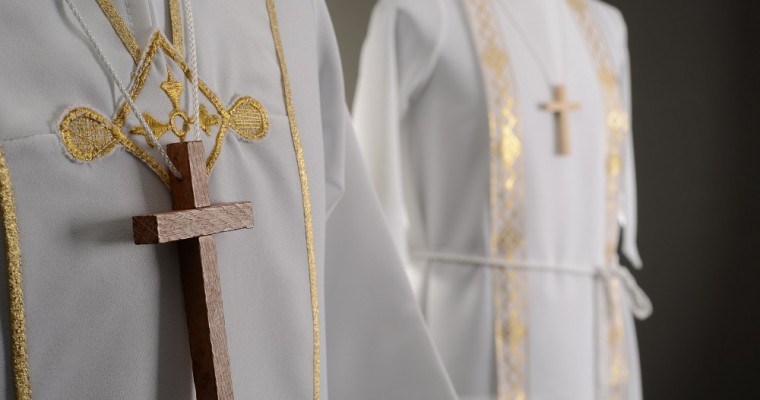
First Communion is a very important and valuable moment in the life of the young faithful and for their family. In fact, this is the first time that the child is permitted to receive the Eucharist, after a long process of catechesis. First Communion can…

Commemorate the painful journey of Christ through the Way of the Cross

Commemorate the painful journey of Christ through the Way of the Cross

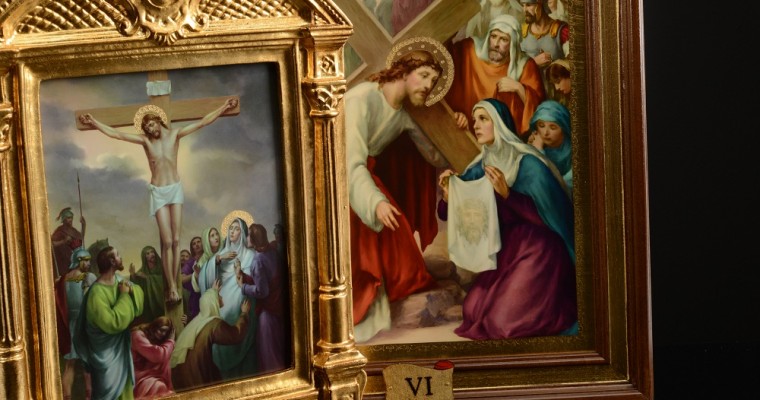
The Via Crucis or Way of the Cross, traces the Passion of Christ and his path towards Mount Golgotha to be crucified. Pilgrims visiting Jerusalem since ancient times celebrated this ritual: they covered the route from Pilate Palace to the mountain and to the Holy…

Using incense in liturgy

Using incense in liturgy

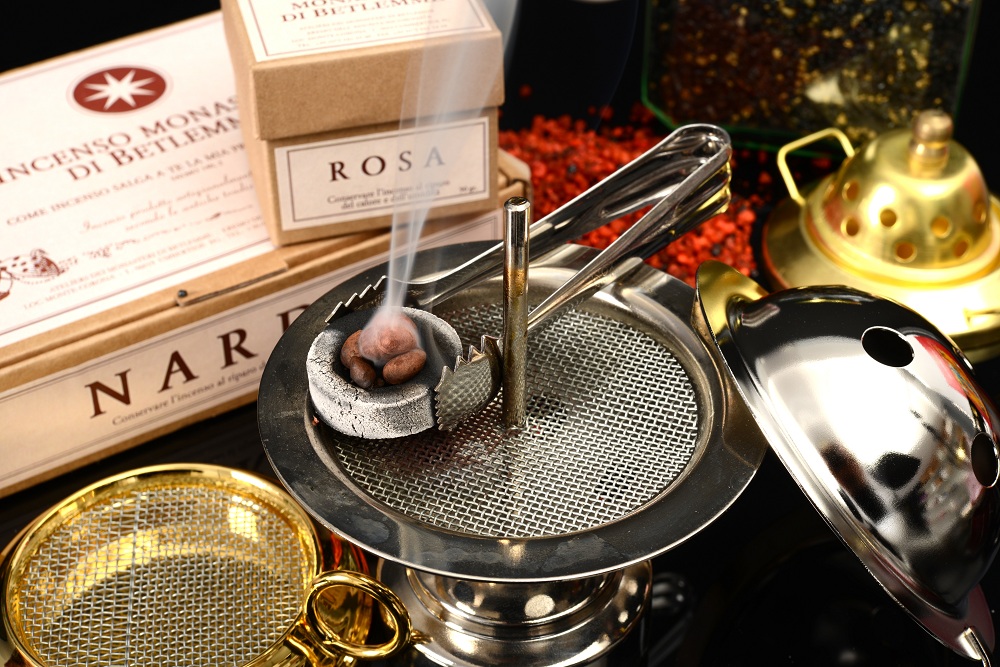
The smell of incense has always been tied to the field of spirituality and ritual, not only in the Catholic Christian religion, but in all religions. The act of burning incense, precious material, reserved for altars of the gods and for the table of the Kings, is considered an act of devotion, a high sacrifice to the gods or emperors, who were gods’ emissaries on earth.

It is therefore a pagan act, even though there are numerous Biblical references to it; but it is that wide use of incense by worshipers of pagan gods that made it unpopular when first used by Christians, making it a form of idolatry. It was only after Constantine’s Edict that incense was again burned in braziers as a sign of devotion.

Until liturgical reform initiated by the Second Vatican Council and carried out by Pope Paul VI, the incense has held onto a marginal presence in celebrations. Incense burners were only lit during sung Mass and high Mass. After the Reformation, the use of incense was liberalised, but it actually disappeared from churches. This was the result of an incorrect translation of one of the new missal principles, which states that the use of incense during celebration is ‘ad libitum’, or ‘at will’. This statement was given a negative exception, making the act option, and therefore avoidable, or even to be avoided.

The use of incense and thurible therefore remains confined to funerals, and this does nothing but increase the false negative feeling associated with it. A real pity, because few things express sacredness like wisps of blue smoke rising up, like an intimate and sacred longing, an unquenchable and relentless desire to be reunited with God. The use of incense, even in our homes, also involves the sense of smell in a sensory experience that speaks straight to the spirit that elevates, purifies it, freeing it from all that is daily.

The first sacrament of a youth faithful: Baptism

The first sacrament of a youth faithful: Baptism

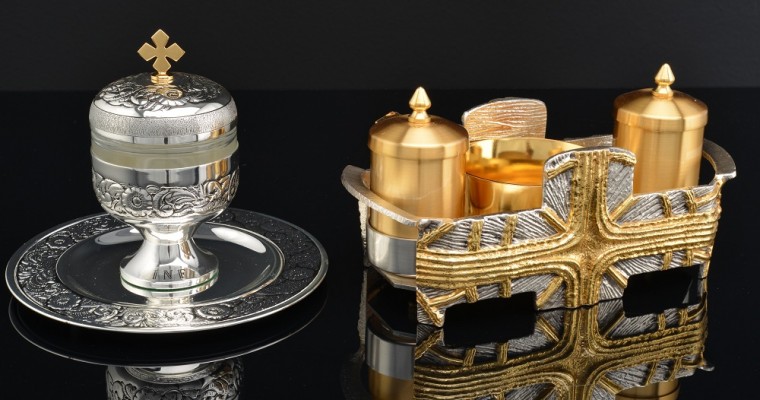
Baptism is the first sacrament that the young faithful approaches. It is a time of great celebration for the whole family, with which it celebrates its entrance into a fuller life, accompanying him in his first steps to the discovery of spirituality. Like any celebration,…

Give voice to your faith with prayer rings

Give voice to your faith with prayer rings

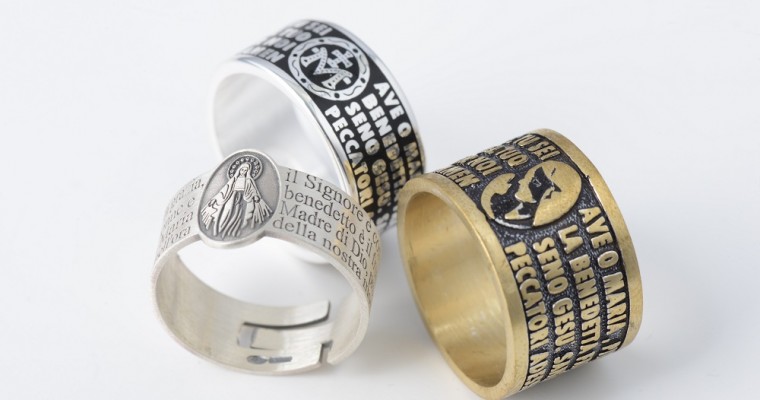
Prayer is a moment of absolute intimacy that every believer experiences in a unique and personal way. It comes from a movement of the soul, a need of the heart, and marks the day alongside and intertwined with commitments, thoughts, and daily vicissitudes. The hectic…

The Fatebenefratelli: the friars of the Order of St. John of God Hospital

The Fatebenefratelli: the friars of the Order of St. John of God Hospital

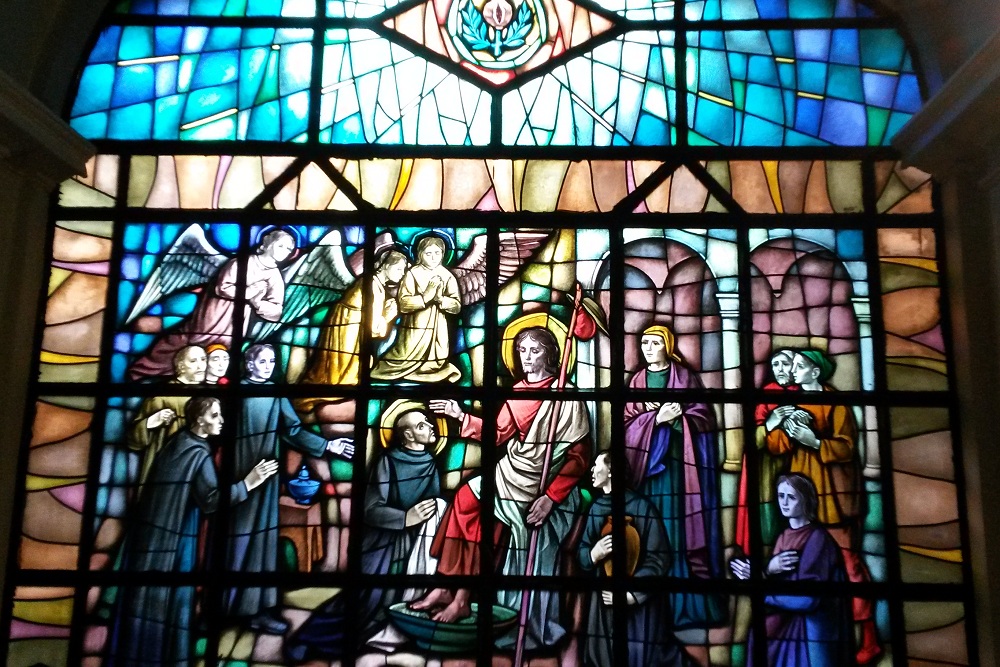
Fatebenefratelli is the popular term used for the monks belonging to the Hospital Order of St. John of God. The name comes from the Italian phrase: “Do good to yourselves, brothers, for love of God” with which St John of God, founder of the order, and his first companions used to accompany their work of mercy.

The Fatebenefratelli was created and has always existed as a hospital order, devoted in particular to the cause of the dying, the poor, the sick and prostitutes.

The movement began as laical in Spain during the first half of the sixteenth century, and soon became a religious community. In addition to devote themselves to the less fortunate, the brothers of the order, as in many other monasteries, followed the rules of poverty, chastity and obedience professed by St. Augustine.

The Fatebenefratelli soon also spread outside of Spain, in Europe and in mission lands. Free from territorial constraints, they went wherever they were needed, on battlefields and on ships storming the oceans, to the ends of the world.

The mission of the Fatebenefratelli was and is to assist anyone who needs help, with no ethnic, social or religious distinctions.

St John of God has led an adventurous life, before finding Faith. He had been pastor, mercenary, mason, bookseller, always traveling between Spain and Portugal, rootless, and homeless. In 1538, after hearing a sermon of St. John of Avila in the city of Granada, he realised he had to dedicate his life to others. His initial fervour was such that, taken for a lunatic, he was incarcerated in the hospital, but this only served to reinforce his decision to put himself at the service of the sick and poor. According to Lombroso, he was responsible for the creation of the first modern hospitals, where patients are divided according to disease and needs. In these structures, the friars of the Order not only cared for the sick, but they also studied medicine and surgery, acquiring the knowledge to make truly benefit the suffering.

How to use an oil lamp completely safely: 5 tips

How to use an oil lamp completely safely: 5 tips

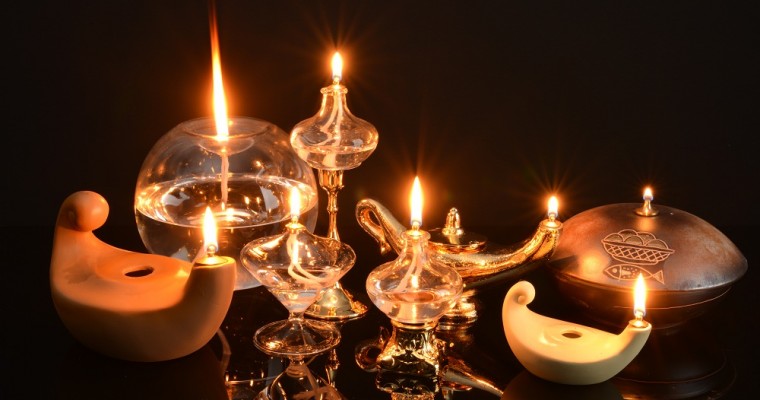
The use of oil lamps is very old. It dates back to Greek civilisation, and is also documented in the Mediterranean regions by the Phoenicians or the Romans, already many centuries before the birth of Christ. In ancient times, oil lamps were simple flat containers…

The symbology of the orthodox cross

The symbology of the orthodox cross

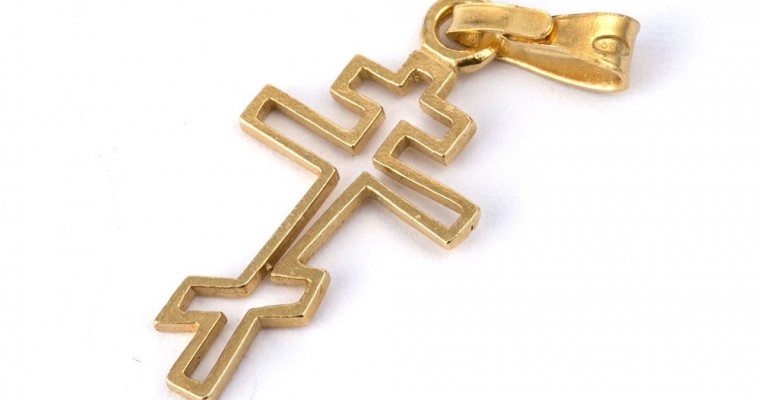
The Orthodox cross is a particular version of the cross, characterised by some symbolic elements that make it unique to its kind. It is divided into a vertical line crossed by three diagonal bars. In a stylised way, these bars represent the crucifixion of Jesus:…

The colours of the Catholic liturgy and their meaning

The colours of the Catholic liturgy and their meaning

The liturgical vestments of Catholic priests during religious celebrations and the many sacred vestments used by them, differs according to a range of colours that have a precise symbolic meaning.

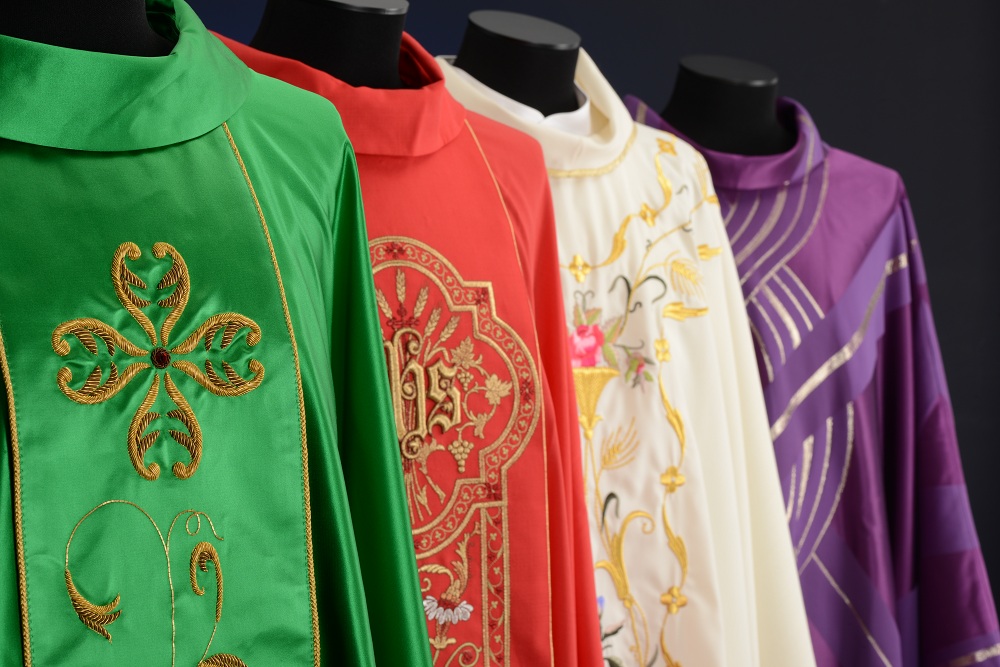
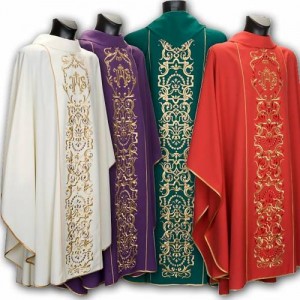
The colours of liturgical vestments, such as the cope, chasuble, dalmatic and the stole, refer to the liturgical season or the current festive occasion. There are four liturgical colours used that were coded by Paul VI in the Roman rite in 1969: white, green, red and purple. In addition to these, there are other colours, such as pink, light blue, gold and black, used in liturgical vestments only on some special occasions or as an alternative to canonical colours. Let us examine one by one.

ihs chasuble and stole
IHS chasuble with
coordinate stole

White symbolises joy and purity resulting from Faith. It is one of the most common colours in liturgical vestments that are used every day by priests, regardless of the current liturgical season or celebration. It is particularly related to the worship of Jesus and Mary for Easter and Christmas. It also symbolises the resurrection, Christ rising in exaltation of the Faith.

After white, the most used color in Sunday Masses and weekdays outside of defined holidays is green, a symbol of hope, perseverance and continued listening. It accompanies the daily path of priests and the faithful who turn to them.

chasuble
Chasuble with golden cross

The colour purple is linked to penance, waiting and mourning. It is particularly used during Advent and Lent. Purple liturgical vestments characterise Mass for the dead, and can be replaced by black vestments.

Red symbolises the passion of Christ and the blood spilled in martyrdom by Him and Saints. This is used for liturgical vestments on Palm Sunday, Good Friday, Pentecost, in the celebrations dedicated to the Passion of the Lord, in the feasts of the Apostles, the Evangelists and the Holy Martyrs.

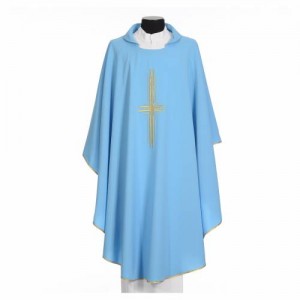
As for non-codified colours, blue is used especially for celebrations in honour of the Blessed Virgin Mary, mostly in countries of Spanish or Portuguese culture, pink, which indicates joy and solemnity for the Third Sunday of Advent and the fourth Sunday Lent, and finally gold symbolises royalty and can replace all colours at every opportunity, although usually is only used in certain very important Solemnities.

The great master of spirituality, St. Francis de Sales

The great master of spirituality, St. Francis de Sales

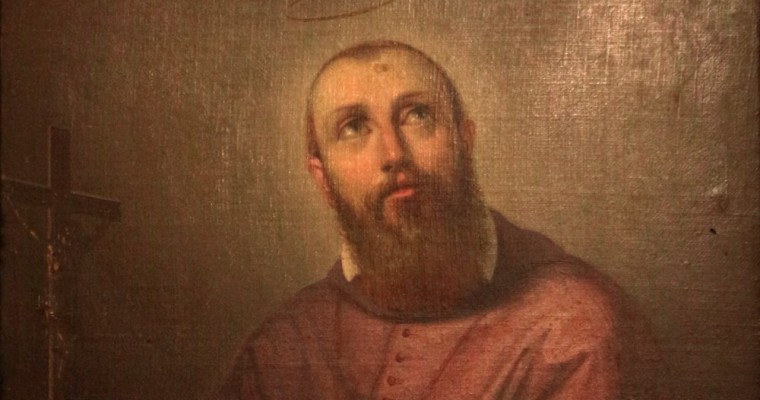
The Patron Saint of Journalists, an eminent figure of the Counter Reformation and the French Catholic mystic, St. Francis de Sales was an authoritative doctor of the Church, but a man of his time first. Born in 1567 and raised in a family of ancient…

The importance of the tabernacle in the Catholic Church

The importance of the tabernacle in the Catholic Church

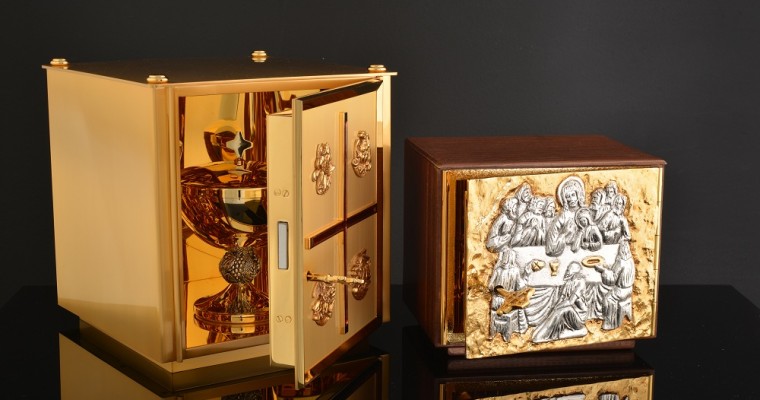
The tabernacle is the place of the church that holds the ciborium containing the Eucharist. This makes the tabernacle the heart and the cornerstone of each church; it is the reference of those who come to pray and worship the body of Christ even outside…

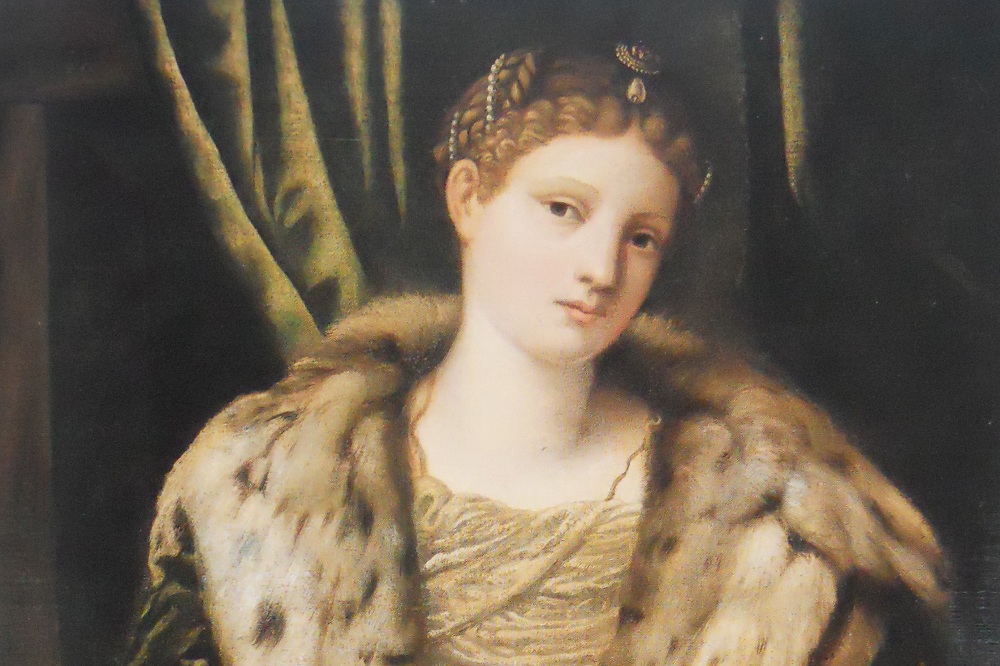
St. Agnes: story of a virgin and martyr

St. Agnes: story of a virgin and martyr

St. Agnes is the patron of virgins, fiancées and girls of marriageable age. Inevitably, if we think of her history, it is as tragic as it is poignant.

She was a young girl belonging to one of the most powerful aristocratic families of Rome, who, at the age of twelve was martyred under Diocletian. It is a scary story, like many of those that bloodied Rome and the Empire in those terrible years. There was nothing sacred, nothing innocent, and what was nice was destined to die, to suffer an even worse, just by virtue of its own beauty. Yet St. Agnes survived all that horror, indeed, her tragic fate made her a symbol of beauty and virtue that has transcended the ages, illuminating the path of thousands of the faithful and devoted people.

It is said that the son of the prefect had been in love with her, but she pushed him away because she was determined to sacrifice her virtue to God. The rejected boy complained to his father, who tried to bend the stubbornness by forcing her to become a Vestal. Because of this rejection, he closed her in a brothel, as a sign of supreme contempt.

Legend has it that no man, however, was able to touch her, and that the only one who tried lost sight by the will of an angel. This point of Agnes’s story takes an increasingly bleak and frightening colour, and it’s even more poignant to imagine this girl shining in the horror that surrounded her, who by virtue of her faith rose above hate and violence.

Dragged to the streets and stripped, a lush mass of hair grew from her head, so she could wrap it in like a blanket to defend her modesty. Condemned to the stake, the flames refused to touch her.

In the end, the evil of the men got the better: she was slaughtered with a sword, the way used to kill lambs, and it is with a white lamb in her arms we often see her depicted, an effigy of innocence, of violate inviolable purity. It even seems that when she fell, mortally wounded, she did so with such grace that it aroused tears from her own executioners. Her sacrifice immediately raised forms of popular worship and still is today celebrated in many festivals and beloved throughout Christendom.

Russian painted eggs: symbol of the Resurrection of Christ

Russian painted eggs: symbol of the Resurrection of Christ

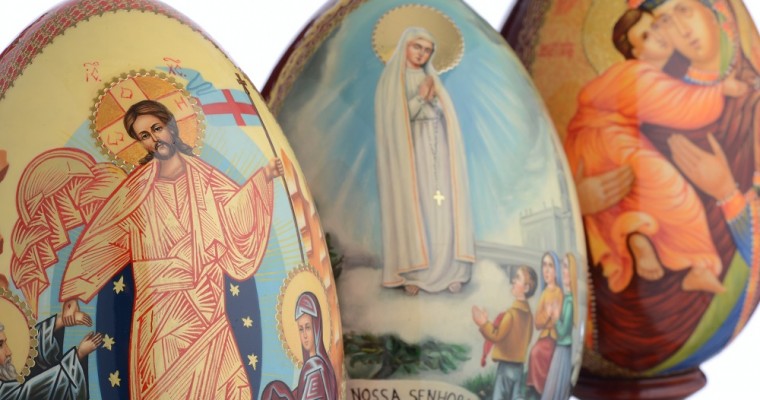
The egg is always, in every culture, a symbol of life. The tradition of giving real eggs painted or made of various materials, is both religious and secular in all countries. It has origins in paganism: the egg as a symbol of rebirth and fertility,…

Religious marble statues in Christian tradition

Religious marble statues in Christian tradition

The production of religious marble statues belongs to the artistic tradition of Christianity dating back to the antiquity. Particularly in Italy, the influence of firstly Greek then Roman sculpture decisively influenced the evolution of religious art. The models and the classical pagan and Roman sculpture…

Immaculate Virgin Mary as a symbol of the Redemption

Immaculate Virgin Mary as a symbol of the Redemption

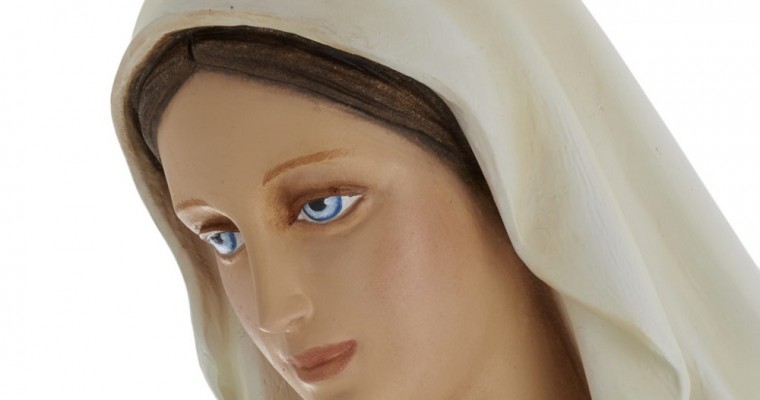
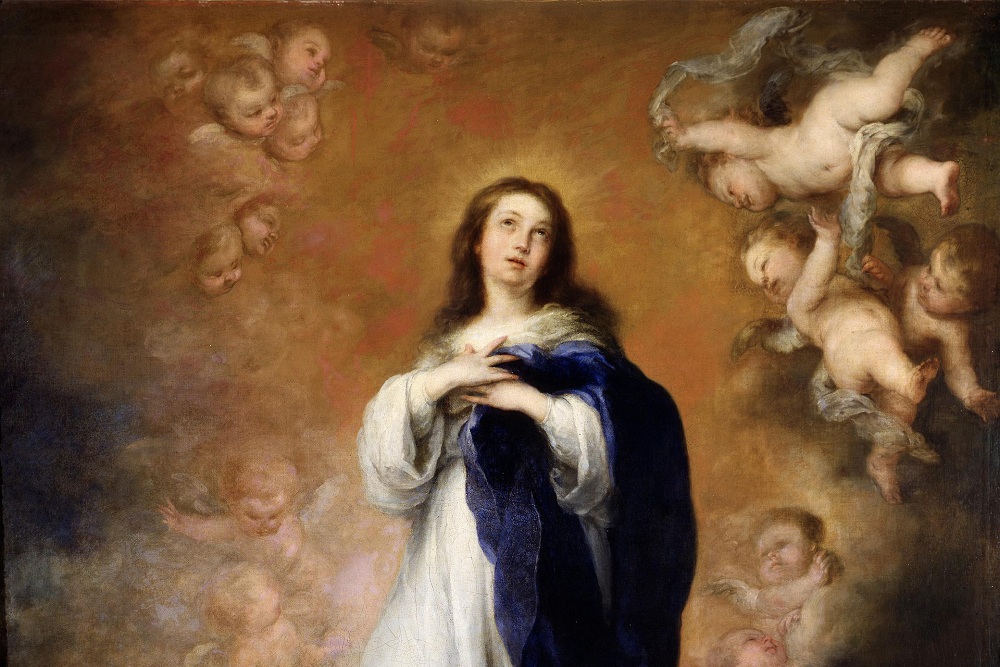
The immaculate Mary is a definition of the Virgin Mary that highlights her lack of original sin from birth. Namely, the immaculate Virgin Mary was born without original sin, contrary to what the Church states for all other human beings.

Her conception was normal, like any child, but in the womb of her mother, original sin was not transmitted. Mary was born completely holy, blessed, and immune to evil.

God would have wanted to create a perfect and sinless mother in whose belly he could put his Son. The Holy Spirit descended upon her making a new woman, only, for the salvation of the world.

The Immaculate Virgin is the symbol of the Redemption and the first redeemed by God’s will. She is the new Eve, the new beginning of communion and love with God, troubled by the act of disobedience consumed in Eden, the mending a relationship broken by sin, but never denied.

The immaculate Mary represents in her very being the symbol of the Father’s will to save all humankind through his human Son. The Immaculate Conception of Mary is the dawn of a new world.

Immaculate Mary represents absolute perfection incarnate in a human being: infinite gentleness, goodness, and beauty. This makes her the privileged intermediary between men and God.

To her, the bearer of love and grace, the faithful are turning to seek comfort and safety, consolation and truth, in every era marred by doubts, corruption, and despair. As a symbol of sacrifice and total dedication to the will of God, Immaculate Mary is a symbol of immense and unselfish Love and points the way to salvation to everyone who directs their prayers to her.

Pius IX declared the dogma of the Immaculate Conception in 1854 and since then has been celebrated on December 8th. The devotion to the immaculate Mary is linked to various apparitions, including those of Lourdes.