Author: Redazione

The rosary of Archangel Michael

The rosary of Archangel Michael

Contents1 Why is the Rosary of St. Michael the Archangel famous?2 Chaplet of San Michele Arcangelo3 The prayer of St. Michael the Archangel The month of October is dedicated to the Holy Rosary. Let’s know better the Rosary of St. Michael the Archangel, its power,…
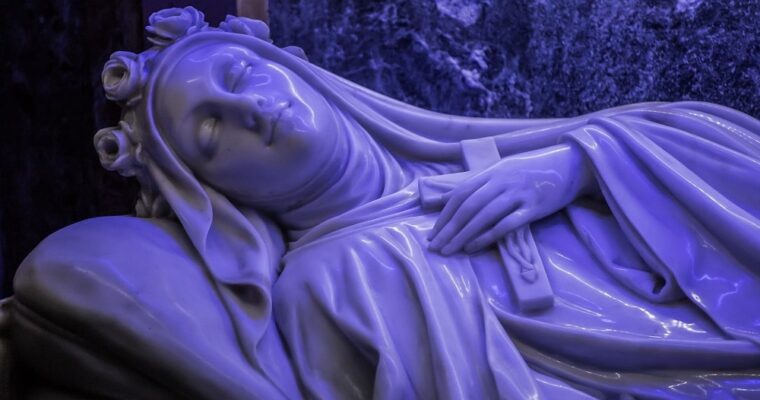
Saint Therese of Lisieux and the miracle of roses

Saint Therese of Lisieux and the miracle of roses

Contents1 The story of Saint Therese of Lisieux2 The theology of the “little wayā€3 Saint Therese of Lisieux Doctor of the Church4 Meaning of the name Therese5 Saint Therese of Lisieux Novena of roses Saint Therese of Lisieux, who died at the age of twenty-five,…
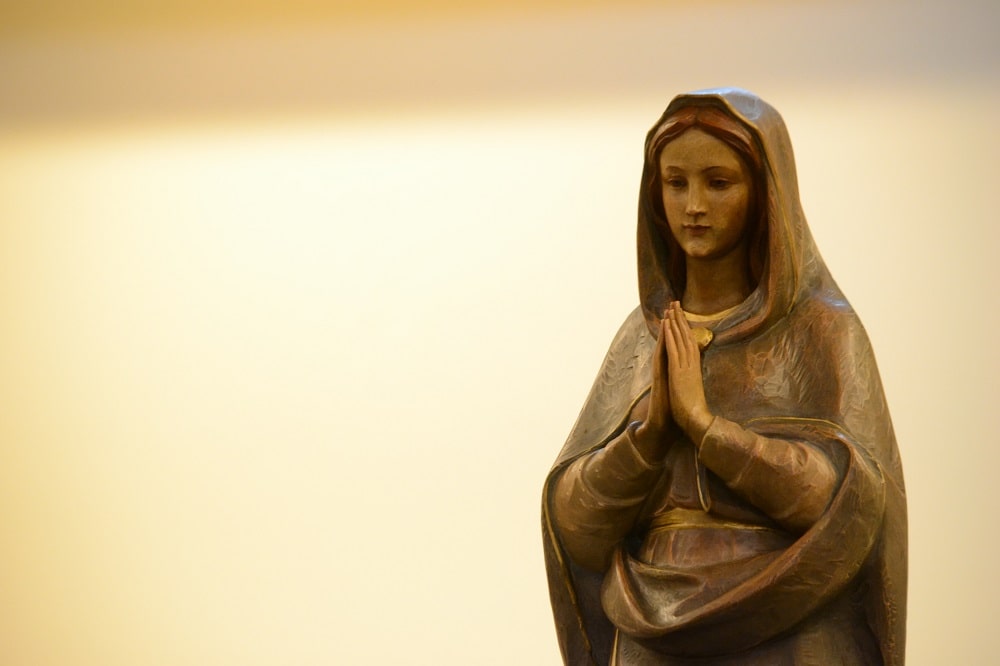
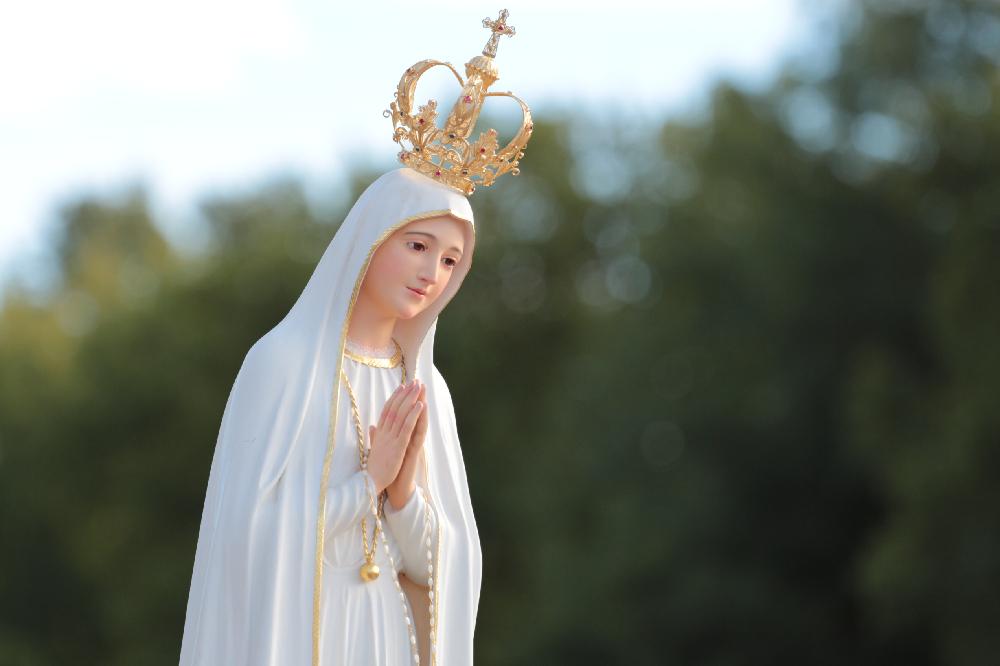
Prayer against depression to Our Lady of Smile

Prayer against depression to Our Lady of Smile

How was prayer against depression born and who was the first to manifest his devotion to Our Lady of the Smile?

Some devotions are born from the personal experience of those who, tormented by some pain, have found comfort and consolation in Jesus or the very sweet image of their mother, Mary. This is the case of the Prayer against Depression, born from the devotion of Saint Therese of the Child Jesus to Our Lady.
Saint Therese, or Saint Therese of the Child Jesus, left a unique model of spirituality and heartfelt poignant faith. And this even though she died very young, barely twenty-five years old, after a life spent largely in a cloister. His love for Jesus was expressed in every gesture, in every action, and was made up of simple, everyday things. It was born from the absolute abandonment to love for God, inevitable, once we became aware of our being nothing, before the Most High, fragile, humble creatures, in need of protection and loving and safe guidance. Here is the wonder of the faith of Saint Therese of the Child Jesus, who never ceased to feel like a child before the fullness of God’s love, and in this feeling of being small and fragile resided her wealth, a wealth that was born from poverty, from the need to be filled with Grace and Love.

But how did Saint Therese’s devotion to Our Lady of Smiles come about? Meanwhile, we cannot help but think that the smile is a prerogative of the Virgin, the Mother par excellence, and as such always ready to address all her children, especially the most fragile and vulnerable, the sweetest smile that only a mother can give. The smile that comforts, that encourages, that instils the strength to face every snare, to bear every burden.

Pentecot

Read more:

On the occasion of Pentecost, pray Mary that unties the knots
50 days after Easter, she will untie the knots and celebrate Pentecost, which recalls the descent…

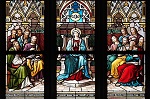
Saint Therese of the Child Jesus suffered from various ailments that undermined her body and spirit. Among other things, she suffered from depression and panic attacks, which left her bedridden for days. Well, the Saint recounted that on 13 May 1883, the feast of Pentecost, while from her bed of pain, she contemplated the image of Our Lady, it seemed to her that the latter smiled at her. A very sweet, tender smile, which made her look even more beautiful and lovable, and which touched the heart of Saint Therese until it moved her and made her cry. The awareness that that enchanting smile was only for her, a gift from the Mother of all mothers, made her heal from every difficulty.

Thus was born Our Lady of the Smile, one of the Marian titles with which the Virgin is known and adored in the world. It was Saint Therese who wanted to tell her experience, first to her family, then to the Carmel of Lisieux, where she took vows. It was thanks to the Carmelite orders that this particular devotion spread throughout the world.

But St. Therese did more. To her experience of faith and healing, we owe a special prayer dedicated to Our Lady as a helper for those who are tormented by depression and in general by psychiatric disorders and diseases that poison the body through the mind. Just like St. Therese, many people have recovered from depression, or have found relief from illnesses and disorders of the soul, by reciting this prayer.

Here is the text of the prayer to Our Lady of Smile. At the end of the prayer, it is appropriate to recite two Hail Maries to remember the two tears of joy that slipped on the cheeks of Saint Therese of the Child Jesus on the day when the Virgin smiled at her.

O Mary, Mother of Jesus and our Mother,
who with a clear smile have deigned to console
and heal your daughter Saint Therese of the Child Jesus from depression,
restoring to her the joy of living
and the meaning of her life in the Risen Christ,
look with maternal affection upon so many
children and
daughters who suffer from depression, psychiatric
disorders and
syndromes and psychosomatic ills. Your beautiful
smile does not let the difficulties of life
darken our souls.
We know that only your Son Jesus can satisfy the deepest
anxieties of our hearts.
Maria, through the light that blossoms from your face,

pierces the mercy of God.
Your gaze caresses us and convinces us that
God loves us
and never abandons us, and your tenderness renews our self-esteem,

confidence in our abilities,

interest in the future and the desire to live happily.
The family members of those suffering from depression
help in the healing
process, never considering them as caregivers
of the disease with interestsVirgin of the Smile, obtain for
us from Jesus the true cure, liberate us from temporary
and illusory reliefs. Cured, we
commit ourselves to serve Jesus with joy,
disposition and enthusiasm as missionary disciples,
with our witness of renewed life.

The shrines of Saint Michael the Archangel: pilgrimage destinations to discover

The shrines of Saint Michael the Archangel: pilgrimage destinations to discover

Contents1 History of Saint Michael the Archangel2 Saint Michael the Archangel: apparitions on the Gargano3 The Feast of St Michael the Archangel4 The Sacred Line of Saint Michael: seven shrines united by a line5 The Cave of Saint Michael the Archangel With its apparitions and…

Cross of the Camargue: the cross that unites the symbols of the theological virtues

Cross of the Camargue: the cross that unites the symbols of the theological virtues

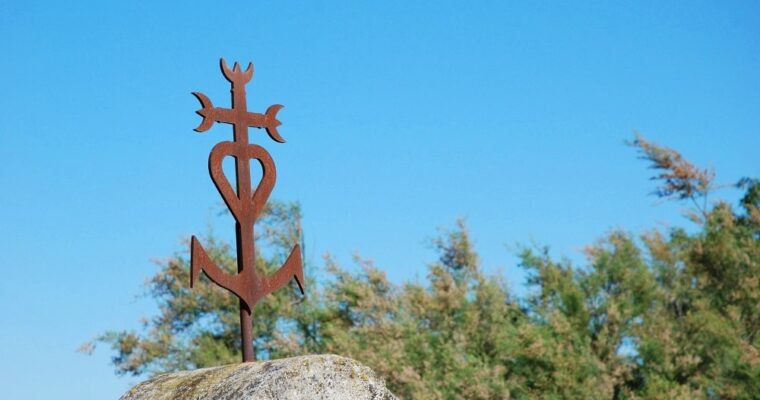
Contents1 The Three Theological Virtues2 Symbols of Faith, Hope and Charity3 The Cross of the Camargue Cross, still and heart: the symbols of the three theological virtues are united in the Cross of the Camargue. Here is the story of this symbol. There are different…

Cercis Siliquastrum or Tree of Judah: where the apostle chose to die

Cercis Siliquastrum or Tree of Judah: where the apostle chose to die

A cursed plant but with a beautiful flowering: here is the story of the Tree of Judah and its characteristics.

We spoke in one of our articles about Judas Iscariot, the Apostle who betrayed Jesus Christ and delivered him to death. What happened after the event of the betrayal of Judas is sadly known: the Apostle, overwhelmed by the guilt and consequences of his actions, decides to commit suicide. In the Gospel of Matthew it is told that, after having thrown in the temple of money received in exchange for the delivery of Jesus, Judas goes to hang himself to take his own life.

kiss of Judas

Read more:

The true story of Judas Iscariot: known for betraying the Messiah
Judas’ name is linked to the sad story of the apostle who betrayed Jesus: read this article to know the true story of Judas Iscariot.

According to tradition, the Apostle returned to the place where he had treacherously kissed the Master to deliver him into the hands of the High Priests. Right on the site of Judas’ kiss stood a Cercis Siliquastrum or siliquastro: it is said that Judas hanged himself from that very tree.

The siliquastro soon became negatively famous for this affair and is also known today as the Tree of Judah. In popular culture, it is thought that to redeem the reputation of this plant, considered a cursed tree after the gesture of Judas, God gave the siliquastro its wonderful flowering, so that it was admired and loved by men. Even, in some cultures, it is considered the Tree of Love.

12 apostles

Read more:

Who were the 12 apostles and discover the difference between apostles and disciples
Who were the 12 apostles, companions of Jesus and who received from him the task of bringing the Word into the world?

Characteristics of Cercis Siliquastrum or Tree of Judah

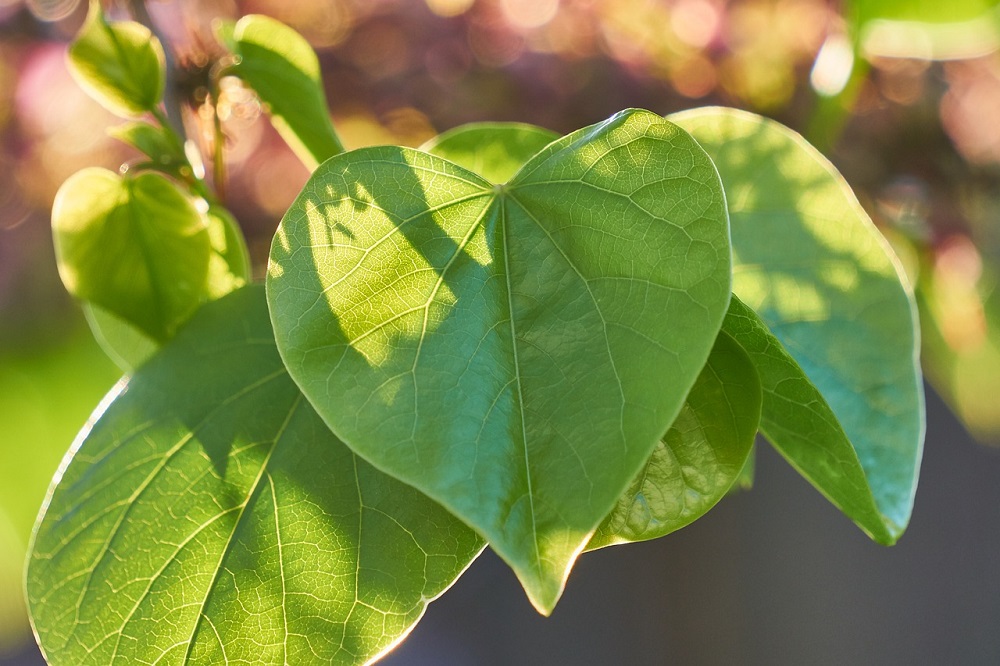
The Tree of Judas is a deciduous plant native to southern Europe and Asia Minor. The bark is dark and the bright pink flowers – or white in the variety Cercis Siliquastrum Alba – stand out in borders and gardens. Due to the intense and rich flowering, and the pleasant drawing of the twisted and gnarled branches, the Judas Tree is frequently used as an ornamental plant. The leaves are light green and hearty, and sprout after the flowers.tree of judah

At the end of autumn, the tree produces its fruits: elongated pods that contain seeds. Given its origins, the siliquastro grows well in areas with a mild climate, while it is not suitable for cold climates. It is a medium-sized plant and can approach 10-12 meters in height.

At the moment of flowering the characteristic of caulifloria emerges: the flowers bloom directly from the branch, contrasting with the dark bark. Not many plants have this type of flowering.flowers of cercis

Suicide for the Church

The beauty of the siliquastro does not however hide the tragedy of Judas’ suicide. From the moral point of view, the Church considers suicide a serious offense to love for God who gives life to man; to the right love for himself; to love for neighbour, because it breaks the bonds with others. It can also be a scandal for others, when it happens thinking of giving an example. However, there are occasions when the responsibility of the act can be mitigated, such as in the presence of serious mental disorders or extreme situations.

The apparitions of Saint Michael the Archangel

The apparitions of Saint Michael the Archangel

Contents1 The apparition of the Bull2 The apparition of the Victory3 The apparition of Dedication (or Meditation)4 The apparition of the mole Adriana5 The apparition of the plague6 Other apparitions and shrines of Saint Michael Have you ever visited the Sanctuary of Monte Sant’Angelo? It…

The Madonna of Tindari: the Black Madonna and her sanctuary on the sea

The Madonna of Tindari: the Black Madonna and her sanctuary on the sea

The Madonnina di Tindari ‘chose’ to stop in the small town of the same name in the province of Messina. Here his feast day is celebrated every year on 7 and 8 September. To understand the cult born around the Madonna of Tindari it is…

Saint Mary on the Sea: the Madonna found adrift on a beach

Saint Mary on the Sea: the Madonna found adrift on a beach

The devotion to Saint Mary on the Sea stems from a very suggestive legend. Discover how it is celebrated in Maiori and Santa Maria di Castellabate

In our study of the Marian Titles, among other appellations referring to Our Lady and linked to places where particular devotional forms dedicated to her have developed over the centuries, we mentioned Saint Mary on the Sea. This is how Mary, mother of Jesus, is called in the municipalities of Maiori and Santa Maria di Castellabate, in the province of Salerno, of which Saint Mary on the Sea is the patron saint.

marian titles

Read more:

Marian Titles: what are they and how many are all the names dedicated to Mary
Marian Titles: all the appellations with which Mary, is venerated.

Here on 15 August, the feast of the Assumption of Mary, two great feasts are celebrated in which thousands of faithful and curious people participate every year who converge in the two small municipalities precisely for this occasion. These are extremely suggestive celebrations, as are often the festivals linked to the Assumption of Our Lady into heaven, and, more generally, the patron saint of festivals in Southern Italy. These festivals sink their origins in an often ancient and very deep-rooted tradition, where they mix.

The Assumption of Mary

Read more:

The Assumption of Mary and the most characteristic celebrations
15 August is not just an occasion for partying and outings.

The festivities in honour of Saint Mary on the Sea

In Maiori, Saint Mary on the Sea is celebrated in mid-August, but also on the third Sunday of November, with solemn processions that end with the race of the Madonna. The bearers of the statue of the Virgin, which legend has it was found on the beach by fishermen in 1200, run along the 127 steps of the staircase that connects Piazza D’Amato to the Collegiate Church of Saint Mary on the Sea, the church that usually houses the sculpture. A picturesque celebration, which wants to represent the Assumption of the Virgin into heaven, accompanied by the music of the band and beautiful fireworks.

In Santa Maria di Castellabate the culmination of the festival comes when the statue of Saint Mary on the Sea is taken out of the homonymousĀ sanctuary that houses it. The Virgin addresses her silent greeting to the sea, then is taken in procession through a journey that follows the coast, welcomed by a crowd of festive and excited faithful, and brought to the beach of Marina Piccola. Here the devotees also converge, to witness at midnight the spectacle of fireworks fired by the fishing boats deployed off the coast for the occasion.Ā But the feast of Saint Mary on the Sea begins already in the previous days, with the traditional fair and with the game of Stuzza, an ancient test of skill that sees the contenders try to recover three flags seated on top of a soapy pole placed on the waters of Marina Piccola.

Where does this devotional form come from, and the festivals linked to it?

As for the widespread devotion to Maiori, legend has it that at the beginning of 1200 a ship from the East was seized by a terrible storm off the village. To escape certain death, the sailors decided to lighten the load and threw the goods they were carrying into the sea. A few days later some fishermen from Maiori, taking fishing nets to shore, found cotton bales entangled inside them, part of the ship’s cargo. But the most surprising thing was that opening one of those bales, they revealed a beautiful wooden statue depicting the Virgin Mary. They carried the statue on their shoulders and took it to the village, where it was received with great enthusiasm by all. Since then the prodigious simulacrum of Saint Mary on the Sea is kept in the Church of San Michele Arcangelo, then expanded and transformed into the Collegiate Church of Saint Mary on the Sea.

Sanctuary to Saint Mary on the Sea

In Santa Maria di Castellabate the cult of Saint Mary on the Sea was brought by some inhabitants of Maiori who moved here to escape the plague in the eighteenth century. A further legend places the discovery of the statue kept here on the beach after a shipwreck in 1800 in the waters in front of the marina of Castellabate. Even today it is the fishermen, descendants of those who took the precious effigy to dry, who carry it on their shoulders in procession on 15 August.
The statue of Santa Maria di Castellabate has undergone a long restoration completed in 2017 and has been brought back to the sanctuary dedicated to her, a majestic building with three naves and a characteristic hexagonal bell tower. The statue of Saint Mary on the Sea dominates the centre of the apse.

Saint Gregory the Great, Pope and Doctor of the Church

Saint Gregory the Great, Pope and Doctor of the Church

Saint Gregory the Great, “the consul of God”, venerated as a saint and doctor of the Church. But who was this extraordinary man? It has not happened to many men in the course of history to receive from their contemporaries the title of Magno, ‘great’.…

Mary Magdalene wife of Jesus: let’s clarify

Mary Magdalene wife of Jesus: let’s clarify

Contents1 Did Jesus ever get married?2 Marriage and Celibacy of Jesus3 Mary Magdalene married to Jesus What is the truth about Mary Magdalene? Wife of Jesus or simple disciple? Let’s find out in this article. Did Jesus ever get married? In the Jewish society in…

Who was Mary Magdalene” History and life of the “Apostle of the Apostles”

Who was Mary Magdalene” History and life of the “Apostle of the Apostles”

Among the disciples, there were also several women. We know better Mary Magdalene, the apostle who left everything to follow Jesus.

Santa Maria Maddalena or Maria di Magdala, is a character who appears in the Gospels, but who over the centuries has assumed an increasingly articulated role and has enjoyed a controversial fame. Patroness of penitents is commemorated by the Church of the West and the East as one of the closest disciples to Jesus, linked to him by a deep relationship and a privileged bond in some ways even greater than that with the 12 apostles. Not surprisingly, she was the first to whom the Risen Christ appeared on Easter morning and addressed her by calling her by name.

12 apostles

Read more:

Who were the 12 apostles and discover the difference between apostles and disciples
Who were the 12 apostles, companions of Jesus in the short span of his…

On the day dedicated to her, July 22, the Roman Missal provides as first reading a passage from the Song of Songs, which expresses all the love of Mary Magdalene and her eagerness not to find Jesus at the tomb.

“So says the bride:Ā 

On my bed, along the night, I sought

the love of my soul;Ā 

I sought it, but I did not find it.

I will get up and go around the city

in the streets and squares;Ā 

I want to seek the love of my soul.Ā 

I have looked for it, but I have not found it.

“Have you seen the love of my soul”.

I had just passed them,

when I found the love of my soul”. (Ct 3,1-4a)

But who really was this woman who lived alongside Jesus in the short time of his mortal mission, and who accompanied him to the Cross and beyond, living from afar the torment of the Passion, faithful, attentive, animated by an unshakeable love?

History of Mary Magdalene

In the Gospels appear three women close to Jesus, besides Mary, His mother: Mary of Bethany, her sister Martha (both were sisters of Lazarus) and Mary Magdalene. In the past, it happened that these three female figures were confused, superimposed and that the characteristics of one were attributed to the other, often with a completely erroneous interpretation.

Mary Magdalene the “penitent” was born in Magdala, a fishing village on the Lake of Tiberias, and this explains why she was also called Mary of Magdala. The appellation “Magdalene” could have been assigned to her later both for her origin and in recognition of her fervour and tenacity with which she remained at the side of the Master until the end. In fact Maddalena derives from the Hebrew magdal, “Tower”.

But Mary Magdalene is also known as an “apostle among the apostles” because she was the first to announce the Resurrection to the other apostles of Jesus, and “evangelist”, as the bearer of the Good News.

Tradition has it that Mary Magdalene began to follow Jesus after He had freed her from “seven demons”. As a sign of gratitude for having saved her, Mary Magdalene assisted Jesus with her own goods, as well as Susanna and Joan, as one of the women who assisted Jesus with their goods: “There were with him the Twelve and some women who had been healed of evil spirits and infirmities: Mary of Magdala, from whom seven demons had come out, Joan, wife of Cusa, administrator of Herod, Susanna and many others, who assisted them with their goods.” (Luke 8,2-3).

John shows it to us under the Cross together with the Virgin Mary and Saint John, and this being placed side by side with the sweet mother of Jesus and his beloved apostle makes us understand how great must be the love that linked Christ to Mary Magdalene: “At the cross of Jesus stood his mother, his mother’s sister, Mary of Cleophas and Mary of Magdala” (John 19,25-27).

After the death and Resurrection of Jesus Mary Magdalene perhaps went to live in Ephesus, as did Mary, mother of Jesus, and John.

Was Mary Magdalene a prostitute?

Although the popular tradition has wanted for centuries to attribute to her this profession, from which she would later be freed to redeem herself and follow Jesus, more recent studies have concluded that Mary Magdalene was not a prostitute. This belief is the result of several misunderstandings that have dragged on through time, to provide a distorted view of this figure. On the one hand the story of the “seven demons” that Jesus would have drawn from Mary Magdalene, on the other his erroneous identification with the anonymous sinner who washed Jesus’ feet with tears and perfumed oil at the home of the notable Pharisee and dried them with her hair (Lk 7:36-50).

Mary of Bethany, sister of Martha and Lazarus, also anointed Jesus’ feet with an expensive oil and wiped them with her hair, triggering the wrath of Judas (John 12:1-8), and once again the figure of Mary Magdalene overlaps and is confused with this other Mary. Moreover, in some apocryphal texts she is even confused with the Mother of Jesus!

the true story of juda

Read more:

The true story of Judas Iscariot: known for betraying the Messiah
Judas’ name is linked to the sad story of the apostle who betrayed Jesus.

Gospel of Mary Magdalene

We wrote that Mary Magdalene was “apostle of the apostles” and also “evangelist”. And indeed there is a Gospel of Mary Magdalene. It is part of the apocryphal gospels and is a Gnostic gospel, one of the texts elaborated by the philosophers-mystics of Alexandria, around the second century, theorists of Christian Gnosticism. According to the Gnostics the salvation of man passes through the realization that he is imperfect, as well as the world in which he lives, but God is, perfect and eternal, and sent into the world his emanations, Christ and Sophia (the Holy Spirit)in the persons of Jesus and Mary Magdalene. In the Gospel of Mary Magdalene, in fact, ample space is given to the importance of the latter, the beloved disciple of the Lord, in the great divine plan, so much so that only the Most High would have entrusted his higher teaching to her.

agnostic gospel

Read more:

The apocryphal gospels: what differentiates them from the canonical ones
The apocryphal gospels are not part of the New Testament…

Then Mary rose, and greeted them all, and said to her brothers,

“Do not weep, do not be melancholy, nor indecisive. His Grace will be all with you and will protect you. We rather praise his greatness, for he has prepared us and made us men”.

Thus saying, Mary turned their minds to good, and they began to discuss the words of the Saviour.

Peter said to Mary, “Sister, we know that the Saviour loved you more than other women. Communicate to us the words of the Saviour that you remember, those that you know, but not us; those that we have not even heard”.

Mary answered and said: “What is hidden from you, I will tell you”.

Maddalena: meaning of the name and name day

The name day of Mary Magdalene falls on July 22, the day on which both the Catholic and the Orthodox Church remember Saint Mary Magdalene. It derives from the biblical Greek ΜαγΓαλήνη (Magdalene), “inhabitant of Magdala” but also from the Aramaic magdal, “Tower”. Magdala was a fishing village and was also known as the “fish tower”. Magda has been around since the Middle Ages.

Who were the 12 apostles and discover the difference between apostles and disciples

Who were the 12 apostles and discover the difference between apostles and disciples

Contents1 The names of the 12 apostles2 The jobs of the twelve apostles3 What are the Acts of the Apostles4 The letters of the apostles5 Difference between Apostles and Disciples6 What did the apostles do after the death of Jesus Who were the 12 apostles,…

The apocryphal gospels: what differentiates them from the canonical ones

The apocryphal gospels: what differentiates them from the canonical ones

Contents1 The Apocrypha2 Differences between canonical gospels and apocrypha3 Apocryphal and Gnostic Gospels The apocryphal gospels are not part of the New Testament: what differentiates them from the Gospels of Mark, Matthew, Luke and John, considered canonical? We all know, thanks to the accounts of…

The true story of Judas Iscariot: known for betraying the Messiah

The true story of Judas Iscariot: known for betraying the Messiah

Judas’ name is linked to the sad story of the apostle who betrayed Jesus: read this article to know the true story of Judas Iscariot.

Peter was the “head” of the Apostles and the first Pope. John was the disciple that Jesus loved. Matthew the publican and Thomas the unbeliever. Among the twelve Apostles of Jesus, there were several charisms and distinctive features that we also remember today. One of them stood out for the perhaps most dramatic and dark event of the Gospel: Judas Iscariot, the Apostle who betrayed Jesus.

The Origins of Judas Iscariot

Often the names of the characters in the Gospel, including the Apostles, are accompanied by attributes that give information on the origin – Jesus is often called the Nazarene – or to emphasize a characteristic that identifies the person – as Simon the Zealot. The attribute Iscariot, which accompanies the name of Judas, is used to distinguish him from Judas Thaddeus, another member of the Twelve. The word Iscariot has been studied by philologists and most of them think it means “Man of Querjoth”: it gives us information about the origins of the character of Judas. Querjoth was a village in southern Judea. Curiously, if the hypothesis is correct, Judas would be the only Apostle not to come from Galilee, the simplest and least advanced area of Judea.

Another possible interpretation of the word Iscariot is that it is a derivative of the Greek word sikarios, that is, killer, which was generically used in the time of Jesus to indicate who opposed the Roman domination with the guerrilla.

Judas’ role among the Apostles

In the group of the Apostles, Judas had the role of treasurer, that is, administrator of the money of the group. In the Gospel of John, it is emphasized that Judas took advantage of the task, stealing from the common chest. In particular, his attachment to money is highlighted in the episode of the woman who breaks the jar of spikenard oil, of great value, to anoint Jesus. Judas becomes angry that the oil could be sold to make money for the poor, but the evangelist specifies that Judas was not interested in the poor but in money in the common chest.

The role of Judas was again the subject of study in 1978, with the discovery of a Coptic papyrus, written in a gnostic context, called the “Gospel of Judas”, in which a very different interpretation of the character of Judas is outlined. According to the papyrus, Judas did not betray Jesus but fulfilled God’s will: Jesus would have revealed to him some secrets and Judas would have contributed to the arrest of Jesus to allow the plan reserved for Christ to be fulfilled. This interpretation, however, is not supported by other evidence.

After the Resurrection, to preserve the number of Apostles chosen by Jesus, a substitute for Judas was identified: Saint Matthias, who was chosen among the disciples closest to Jesus to evangelize together with a group of the Apostles.

Judas’ betrayal in exchange for 30 dinars

The figure of Judas has become over the centuries a symbol of traitors and thieves. Dante Alighieri, in the Divine Comedy, meets Judas right at the lowest point of Hell, reserved for traitors. The betrayal of Judas in exchange for 30 dinars is just the opposite symbol to that of the Cross: the love of Jesus is without measure, it is a sacrifice for others, while the gesture of Judas is sinister and materialistic.

The Gospels tell how Judas agrees with the high priests to deliver Jesus to them in exchange for 30 silver coins. Compared to modern currencies, we could say that the 30 coins correspond to about 3000 dollars nowadays. This was the compensation that Judas moved for his betrayal, for which he repented, returning the money and taking his own life, as reported in the Gospel of Matthew and the Acts of the Apostles.

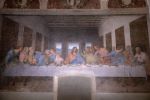
“One of you will betray me”: Last Supper

The betrayal took place on the evening of the Last Supper. Precisely during the Last Supper, Jesus says that he will be betrayed by one of them, causing dismay and sorrow in the Apostles. Jesus addresses Judas directly, saying, “What you must do, do it as soon as possible”. Judas leaves the group, while the other Apostles do not understand the phrase of Jesus, thinking that it is a commission from the treasurer.

In many of the representations of the Last Supper, the character of Judas is recognized because he is portrayed with a bag of coins in his hand. In some cases, it is without a halo or is at one end of the table, as if to mark its inner distance from the group of Apostles.

the last supper

Read more:

The Last Supper by Leonardo da Vinci
The Last Supper by Leonardo da Vinci, in Santa Maria delle Grazie, is one of the most famous works in the world

The kiss of Judas

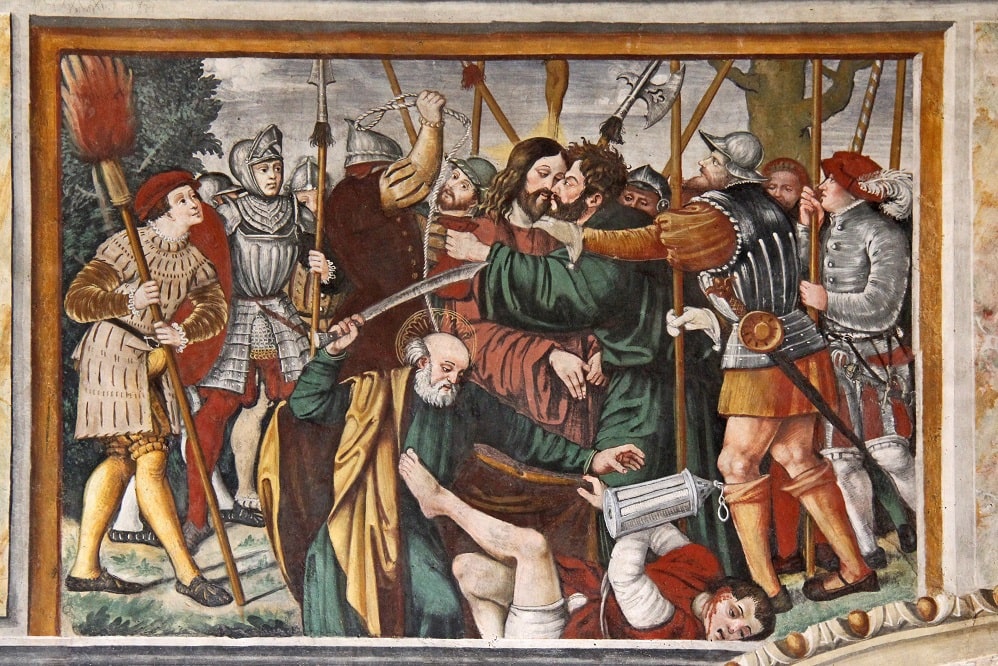
The culminating event of Judas’ betrayal is the kiss, used by Judas to point out Jesus to the high priests in Gethsemane. Judas uses this sign of affection in a false and contradictory way: what should express love – the kiss – instead becomes an instrument of evil.

The story of the betrayal of Judas, like many of the episodes of the Gospel, became part of the popular tradition and common feeling. Even today the expression “being a Judas” is used to indicate someone as a traitor or thief, the two emblematic characteristics of the character.

The sanctuary of Our Lady of the Crown: a charming pilgrimage destination

The sanctuary of Our Lady of the Crown: a charming pilgrimage destination

Contents1 Holy places of pilgrimage2 Madonna of the Crown history3 Sanctuary Madonna della Corona how to get there4 Pilgrimage Our Lady of the Crown The Sanctuary of Our Lady of the Crown is one of the most famous pilgrimage destinations in Italy. Let’s find out…

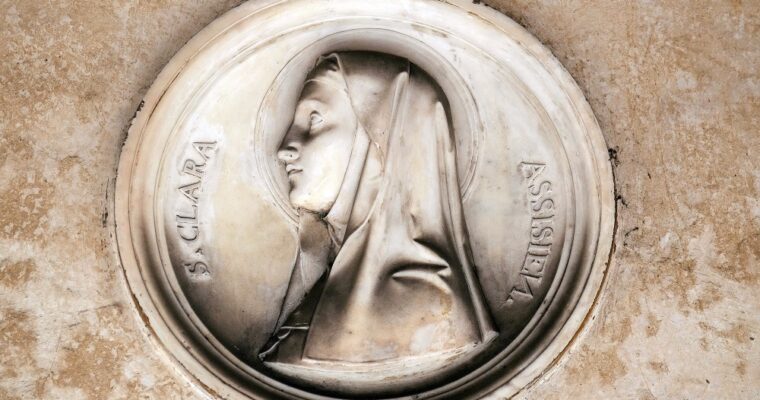
Saint Clare, who embraced poverty in the footsteps of Saint Francis

Saint Clare, who embraced poverty in the footsteps of Saint Francis

Contents1 Saint Clare and her encounter with Saint Francis2 A bond that united Saint Francis and Saint Clare3 The order of the Poor Clares4 Basilica of Santa Chiara Saint Clare followed the example of Saint Francis, renouncing all her possessions and sacrificing her young life…

Marian Titles: what are they and how many are all the names dedicated to Mary

Marian Titles: what are they and how many are all the names dedicated to Mary

Marian Titles: all the appellations with which Mary, mother of Jesus, is venerated. How many are Marian titles? And where do they come from?

Since the origins of the veneration dedicated to her, the Virgin Mary has been attributed to many different names. These are the Marian Titles, names that derive from attributes referring to Mary in the Sacred Scriptures or popular veneration, or that derive from characteristics attributed to her or from ways of saying common language. Just think of the term Madonna, from the Latin mea dominina, “my Lady”.

Some are dogmatic, derived from the presence of Mary in the Gospels and the Liturgy: we think of the Virgin, Mother of Christ, Immaculate Conception, Descendant of David, New Eve, and Our Lady.

Others are derived from titles attributed by theologians and Fathers of the Church to the Madonna over the centuries, such as Regina Caeli, from which the homonymous prayer with which Mary is exalted as Queen of Heaven on the day of the resurrection of her Son, Stella Maris which indicates how the Madonna embodies hope and is a sort of polar star for Christians, especially for those who travel by sea, or Ivory Tower in the Laurentian Litanies, supplications in the form of litany addressed to God and the Virgin born in the Holy House of Loreto from the first half of the sixteenth century, and who turn to the Virgin Mary invoking her under numerous titles. In this case, the reference is to the Song of Songs and the three main properties of ivory, candour, consistency and value, all perfectly adaptable to Mary. Or again Mary Sorrowful, or Our Lady of the Seven Sorrows, with reference to the seven sorrows faced by Mary in the Gospels.

Then there are Marian Titles related to popular devotion, sacred images, or apparitions of Our Lady. For example, Our Lady of Grace is associated in many places with the feast of the Visitation of Mary to Elizabeth, on 2 July or the last day of May. The miraculous Madonna was born from an event that happened in Taggia, Liguria, in 1855, when the eyes of a statue of Mary would have moved.

Or think of the Marian Titles linked to natural phenomena, such as Our Lady of Lightning, linked to the legend according to which in the province of Viterbo a bolt of lightning fell on a tree at the foot of which had been placed an aedicule with the image of Our Lady and no one suffered any damage, or to Our Lady of the Snow, from the miraculous snowfall that took place on August 5, the day of the dedication of the basilica of Santa Maria Maggiore, and that prompted Pope Liberius to erect the basilica of Santa Maria a Nives on the Esquiline hill of Rome, the oldest Marian sanctuary in the West.

The Madonna is also often associated with parts of the human body or more generally with health and miraculous healings, such as the Madonna del Soccorso, whose cult was born in Palermo in 1306, when the Virgin appeared to the Augustinian monk Nicola La Bruna to heal him from an incurable evil, or the Madonna degli Infermi, which freed the parish community of San Bernardo in Vercelli from the plague in 1630.

The Marian Titles that refer to the animal kingdom are particularly curious: the Madonna of the ant, which would have saved the inhabitants of the Offlaga area, in Brescia, from the famine caused by the too many anthills that infested the countryside.

Then the Marian Titles linked to iconography are fascinating, such as the Madonna of the Pear, from the painting of the fifteenth century depicting the Virgin while giving a pear to the baby Jesus, the symbol of the latter’s acceptance of the sacrifice for the redemption of humanity, or Mary who unties the knots, from the painting by Johann Georg Schmidtner painted in the eighteenth century from which the famous great Marian devotion originated.mary who unties the knots

Finally, there are the toponymic Marian Titles, which refer to places dear to the Madonna or where she has appeared over the centuries, such as the Madonna of Loreto, the Madonna of Lourdes, Our Lady of Fatima, the Madonna of Medjugorje, or Saint Mary on the Sea, linked to the legend of the statue depicting Mary and the Child Jesus, fished from the sea near Salerno. Or again Our Lady of Guadalupe, patroness of all Spanish-speaking Catholics in the world, especially those residing in South and North America, whose cult arises from the apparitions that took place in Mexico in 1531.

Our Lady of Aparecida, the patroness of Brazil, owes her name to the sanctuary located in Aparecida, in the state of SĆ£o Paulo, where in 1700 some fishermen had a miraculous catch after finding in their nets a small terracotta statue depicting the Madonna. Halfway between toponymy and devotion, we can also mention the Marian title of Our Lady of Carmel, patroness of the Carmelites, and her cult born on Mount Carmel, where the first monks of the order gathered.

How many Marian titles are there?

Many, many, impossible to count them all! Even if we wanted to mention only what are the titles that the Church has given to Mary, only in the Rosary do we read these definitions:

  • Saint Mary
  • Holy Mother of God
  • Queen of Heaven
  • Queen conceived without original sin
  • Gate of Heaven
  • Morning Star
  • The health of the sick
  • Refuge of sinners
  • Queen of Angels
  • Queen of the Patriarchs
  • Queen of the Apostles
  • Queen of Martyrs
  • Queen of all Saints
  • Queen of the Most Holy Rosary
  • Mother of the Church
  • Mother of Divine Grace
  • Mystic Rose
  • Tower of David
  • Ark of the Covenant
  • Virgin Worthy of Honour
  • Virgin Worthy of Praise
  • Mighty Virgin
  • Merciful Virgin
  • Mirror of Perfection
  • Seat of Wisdom
  • Cause of our joy
  • Tabernacle of Eternal Glory