Author: Redazione

Who your Guardian Angel is and what they do: 10 things you should know

Who your Guardian Angel is and what they do: 10 things you should know

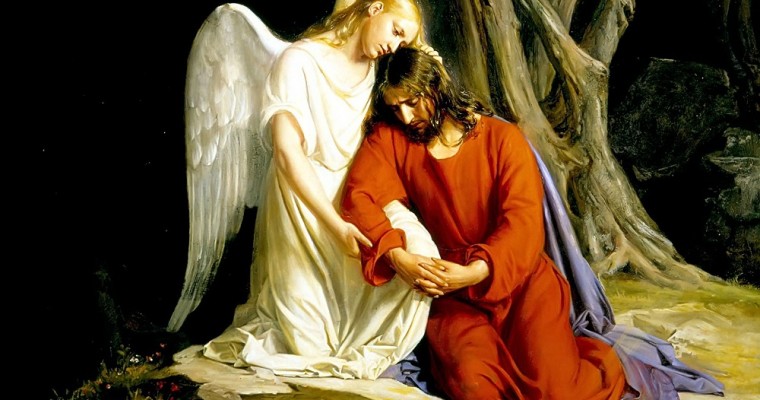
According to Christian tradition, every one of us has a guardian angel, who accompanies us from the moment we’re born until the moment  of our death, and stays at our side at every moment of our life. The idea of ​​a spirit, of a supernatural entity…
Baptism: meaning, symbols and how to organise one

Baptism: meaning, symbols and how to organise one

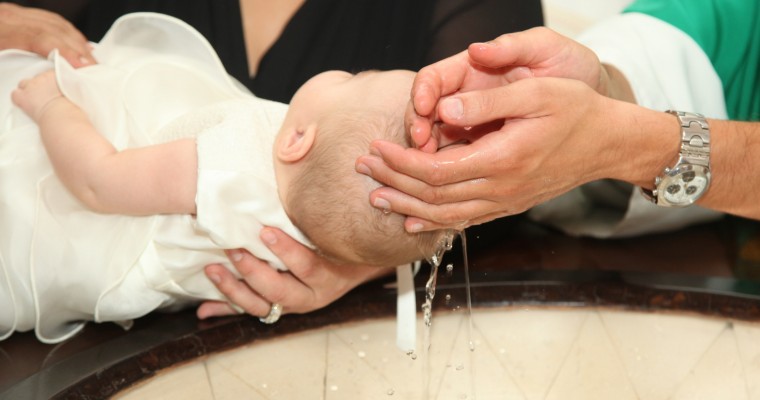
Baptism is the first of the sacraments that enshrine the true birth of a Christian. It is through Baptism that we are purified from original sin and become part of the Church and of the body of Christ. Thanks to Baptism, we have access to the…

The Rosary for the unborn children

The Rosary for the unborn children

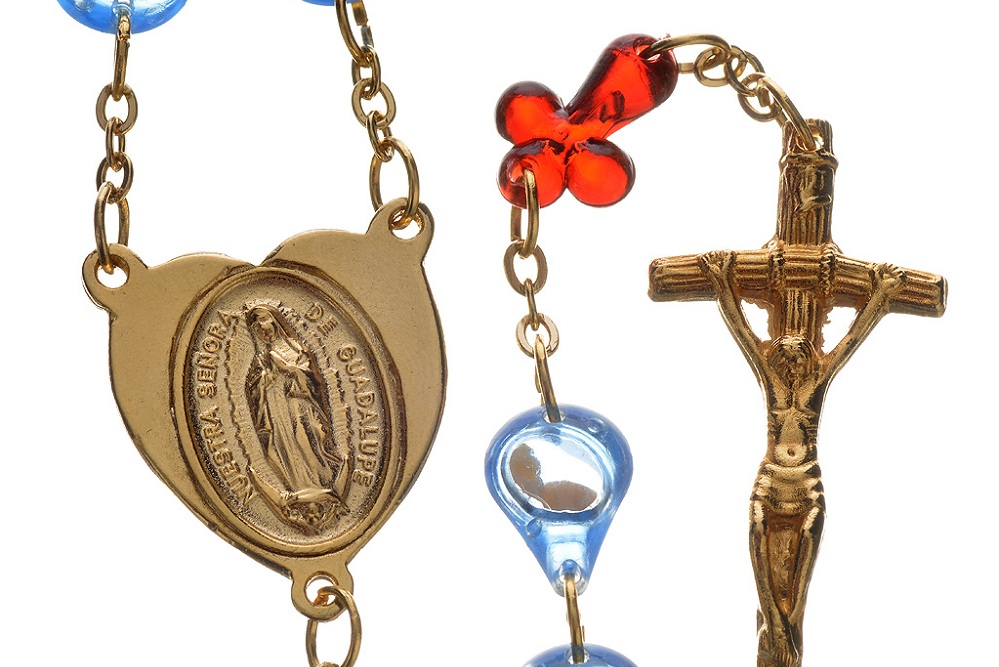
The Rosary for unborn children is a particular type of Rosary. It is made of crystal beads, which symbolise the tears of the Madonna. Each ‘tear’ represents the mother’s womb and contains within it the image of an unborn child. The Crucifix is golden, as a sign of the need to praise and invoke the Lord to free the world of the terrible sin of abortion. The Our Father is symbolised by tears of blood in the form of a cross. The Crucifix Centre depicts the Heart of the Madonna and encloses its effigy.

The Rosary for unborn children was given to the world by Our Lady in person, as an instrument of Love and a prayer against the scourge of abortion.

The apparitions of Our Lady and of Jesus to Maureen Sweeney-Kyle

The Rosary for the unborn children appeared the first time on October 7, 1997, the day when Our Lady presented herself to the seer Maureen Sweeney-Kyle, with this special Rosary suspended before her. Mary presented herself as a prophetess of the present times, and declared that she was there to praise Jesus, her Son. She told Maureen Sweeney-Kyle that Heaven suffered immensely from the scourge of abortion, a huge sin committed against life itself, the most precious gift God made to men. This sin was destined, over time, to disrupt the history and the future of all nations.  Our Lady offered the Rosary for unborn children to Maureen and told her that this would be a weapon against this calamity, along with love and prayer.

Maureen Sweeney-Kyle contributed to the creation and propagation of this particular Rosary.

Three and a half years later, Our Lady and Jesus appeared to her again.

Our Lady, as Mother Dolorosa told her that every “Ave Maria” pronounced with that Rosary would redeem the innocent life of a child murdered by abortion. The Rosary itself, by virtue of its power, would help erase the pain of that sinful act from the Immaculate Heart of Our Lady.

She then invited her to spread the news without fear and shyness.

Jesus also appeared to her, inviting her to pray with the cross made of tears of rosary blood from unborn children, to alleviate the suffering of his afflicted Heart and strengthen the arm of Divine Justice. In fact, every Rosary recited would mitigate the impending punishment of all of humanity due to the sin of abortion.

Again, Our Lady presented herself to Maureen as Mary the Refuge of Holy Love, surrounded by praying angels.  She showing her the rosary for the unborn children wrapped in a golden crown, and told her that this was His Crown of Victory against the evil of abortion. She added that it was the will of Jesus that she spread that truth.

The prayer for life

It is therefore the will of the Virgin Mary that the faithful pray with the help of this particular Rosary, to defeat a sin that makes the heavens cry. The love and faith of men of good will, combined with the Grace of Our Lady, is a powerful weapon against this fearsome scourge.

As revealed by Our Lady to Maureen Sweeney-Kyle, every “Hail Mary” can save an innocent life from abortion and alleviate the penalty of the Immaculate Heart of Mary herself, whilst every “Our Father” recited on the Rosary for unborn children will relieve the sorrowful Heart of Jesus and will hold the Arm of Justice by mitigating the punishment for the sin of abortion.

For this miracle to take place, the Rosary must be blessed by a Catholic priest.

On October 13, 2004, Pope John Paul II blessed the Rosary of the unborn children in Rome.

The virtues of the Rosary for the unborn children are recognised and appreciated by Christian communities throughout the world. Prayer and devotion are the only answer for combatting the evils of the world, and the terrible calamities that envelop humanity. Pride, greed, and hate are instruments of evil, every sin is a point of strength for those who are evil, and only authentic Faith and humility can oppose them.

“A great prayer for life that runs across the entire world is urgently needed. With extraordinary initiatives and in habitual prayer, from every Christian community, from every group or association, from every family and from the heart of every believer, a passionate supplication is raised towards God, the Creator and lover of life”. Thus declared Pope John Paul II in the Gospel of Life. His successors have not been less supporting of the importance of respect for life as a precious gift from God.

How to recite the Rosary for the Unborn Children

In reciting the Rosary of unborn children, it is necessary to turn to Our Lady and to Jesus with an attitude of supplication, and invoke the protection and salvation of all unborn children, but also for the sinners of the entire world.

rosary for the unborn
Buy on Holyart
Rosary for The Unborn
  1. Raising the Rosary to Heaven and saying: “Heavenly Queen, with this Rosary we unite all the sinners of all nations to Your Immaculate Heart”
  2. Making the sign of the Cross: “In the name of the Father, and of the Son and of the Holy Spirit. Amen.
  3. Recite the following prayer, suggested to Maureen Sweeney-Kyle after the September 11 attack: “Heavenly Father, during this time of world crisis, allow all souls to find peace and security in Your Divine Will. Grant to every soul the grace to understand that Your Will is the Holy Love in the present moment. Father Benevolent, enlighten every conscience so that they realize that they are not living in Your Will. Grant the world the grace to change and the time to do it. Amen.
  4. Recite the Creed.
  5. Continue with the following prayers:

– One “Our Father” according to the intentions of the Holy Father.

– Three “Ave Marias” for the virtues of Faith, Hope and Charity.

– One “All the Glory”.

  1. After which there are the pro-life Mysteries of the Rosary, divided into the Joyful, Luminous, Sorrowful and Glorious Mysteries. After each Mystery recite:

– One “Our Father”

– Ten “Ave Marias”

– One “All the Glory”

– The ejaculation of Fatima: “O my Jesus, forgive our sins, save us from the pains of hell, welcome all the souls in Paradise, especially those who are most in need of Your Mercy.”

– The eulogy for the Unborn: “Jesus, protect and save the unborn”

  1. After the Rosary, recite some prayers dedicated to Our Lady, such as the “Salve Regina” and possibly litany against abortion, begging the Lord and Our Lady to welcome our supplications and forgive the sins of all humanity.
Thuribles in liturgical function

Thuribles in liturgical function

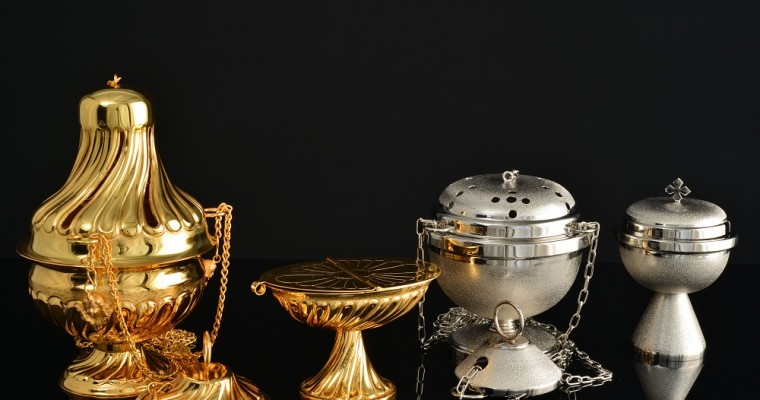
The term ‘censer‘ comes from the Latin thus, Thuris “incense.” This is also the origin of censer’s synonym is derived: it is sometimes called ‘incense‘. In Latin, it was also referred to as thymiaterium, incensorium, and fumigatorium. The thurible is a metal container, usually a…

The role of the Godfather and Godmother

The role of the Godfather and Godmother

Whoever is chosen as Godfather or Godmother for a Baptism or a Confirmation, is called on to undertake a truly valuable and important task. Very often, in the modern world, we lose sight of the true value of this role, but it shouldn’t be this way. When the parents…

The cassock in the Catholic Church

The cassock in the Catholic Church

Religious clothes have always been considered a sort of ‘uniform’ requested to priests to differentiate themselves from the common people. This is because since the origins of religion, there was the need to identify members of their communities even based on specific clothing.

In particular, male religious clothes make the priest instantly recognisable and make them a reference point for the faithful. Wearing a religious clothing, be it a cassock or a clergyman, it is a way to demonstrate their function, their vocation, with all the obligations, duties and responsibilities that it entails.

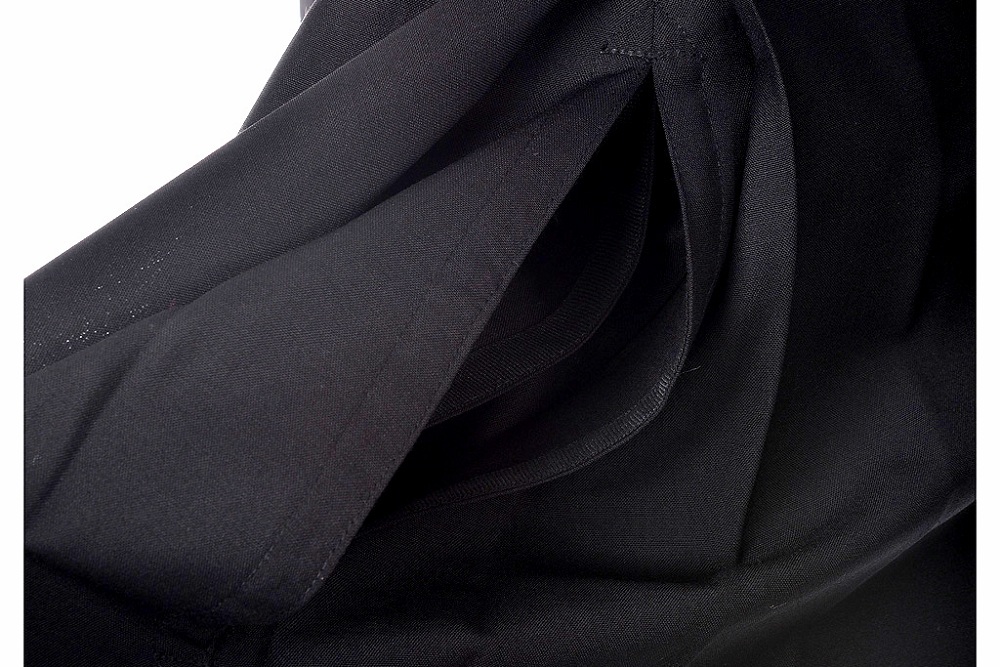
The male religious piece of clothing most used by Catholic priests is the cassock, a long black robe closed by buttons and usually worn outside of religious services. The pattern and color of the details changes depending on the degree of the priest, but generally, the male religious dress is black, enriched with different coloured bands, buttons and accessories, and accompanied by different elements depending on the circumstances (eyelets, buttons, borders, liners, red ferraiolo, and pectoral cross). Higher-ranking priests wear a cape on top of their cassocks called pilgrim, and seminarians, acolytes and altar servers can wear religious clothes, but only together with the surplice. A long coat, the greek, completes the religious clothing during winter months.

Today, the clergyman has replaced in many cases the cassock as main male religious clothes. It is a complete set of pants, shorts, shirt and jacket. The shirt has a stiff collar that incorporates the cassock. The collar can be of two types: “Roman“, i.e. a white plastic strap emerging from the black collar, or a simple white plastic insert tucked into the shirt collar with two slots in which the corners are inserted. The shirt can be long or short sleeved, depending on the season. The most common colours are dark grey, light grey, blue, white, and black.

Ancient Russian icons: humanity’s heritage

Ancient Russian icons: humanity’s heritage

Ancient Russian Icons are paintings of inestimable value and absolute beauty. Only revealed to the world in the early 1900s during an exhibition in Paris, they won unanimous approval and were immediately recognised as not only part of Russian heritage, but as something that belongs…

The cult of Mary Help of Christians

The cult of Mary Help of Christians

Mary has always been seen as the ideal mediator between God and men, the one who, by her very nature, can take to the ears of our Heavenly Father the pain, afflictions, prayers of his children. With the name of Mary Help of Christians, from…

Candle holder

Candle holder

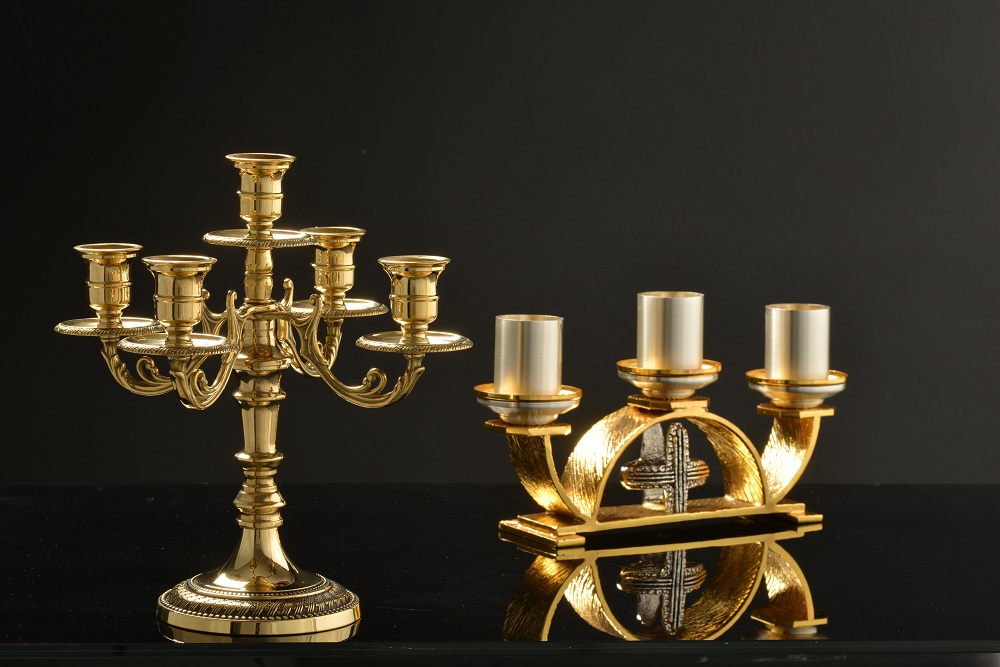
The candle holder is a church supply in every church and placed on the altar. It is a candle holder intended to support a single candle. Its use dates back to the very origins of the church, and is clearly linked and indissoluble to the symbolism of light as an expression of Faith, Hope and Resurrection of Christ.

The candle holder was once placed on the ground, and only later on the altar before the beginning of the celebration: at the end of the Mass was being stored. In addition, alongside the candle holder, other candlesticks could be placed together in varying numbers and according to the ongoing festivities or celebration.

In the fifth century, the Statuta Ecclesiae antiquae decreed that the acolyte in the process of receiving the votes should have received in the hands a candle holder with the candle.

The Council of Trent established a precise coding for the altar service, consisting of six candlesticks to be used during Mass and seven candle holders for the Pontifical Mass of the Pope or the Bishop.

The candle holder shape derives from its original use as profane furniture, in pre-Christian times: one foot, a trunk, a plate for the wax and the tip on which to put the candle.

The candle holders, over time, have become increasingly large and with more care in the form and decoration. In addition, the materials have evolved over time, with wide use of gold, silver and other precious metals, but also of the most humble materials, such as brass or wood, depending on the possibilities of the church.

In the sixteenth century, other strict rules were coded about the candle holder: that its manufacture reminded that of the altar cross; that precious materials were reserved for official celebrations; that the style was simple, linear, with a round or triangular foot, the stem chiseled, the circular plate and the tip to the candle.

The candle holder has retained these features to date, with the inevitable artistic and formal variations related to different historical periods.

Liturgical stoles

Liturgical stoles

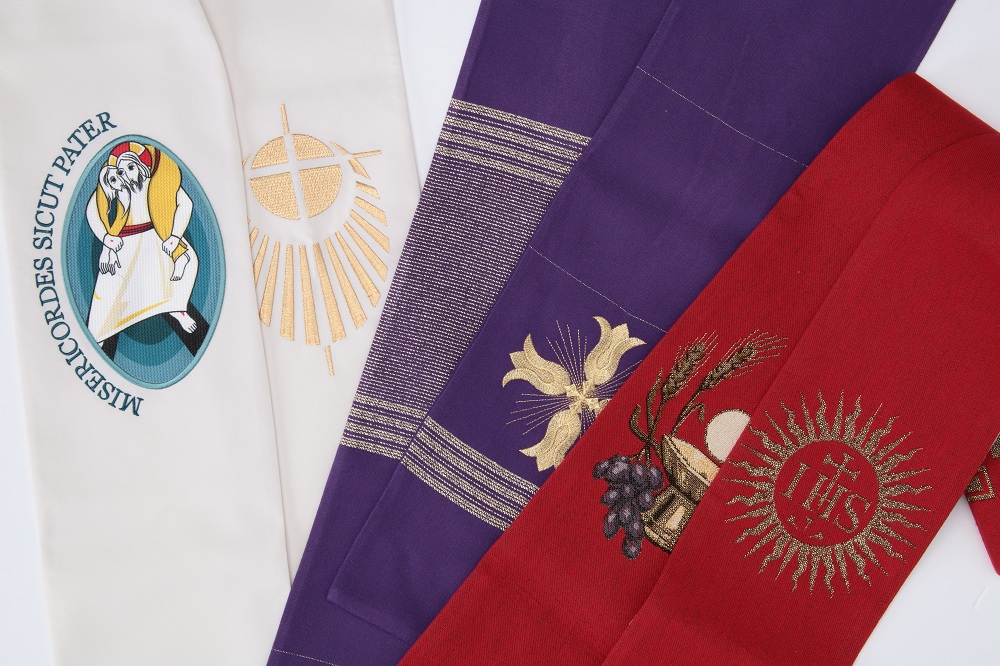
The liturgical stoles are a vestment worn by deacons, priests and bishops just under the chasuble. In particular, the deacons wear the liturgical stoles on the shoulders, passing on the left shoulder and tying them under the right arm; priests and bishops wear them simply…

The Miraculous Madonna

The Miraculous Madonna

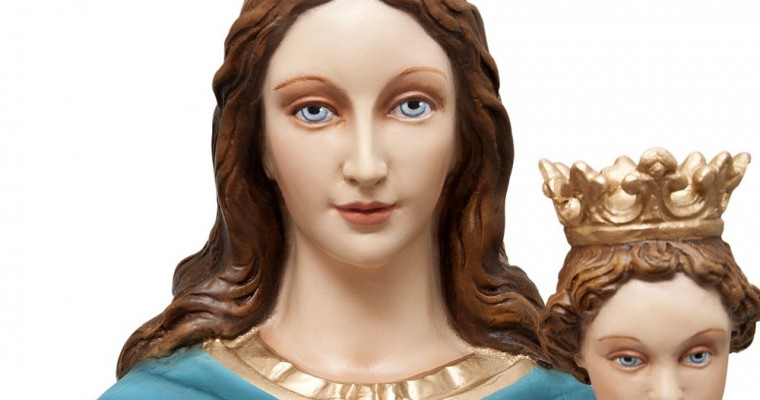
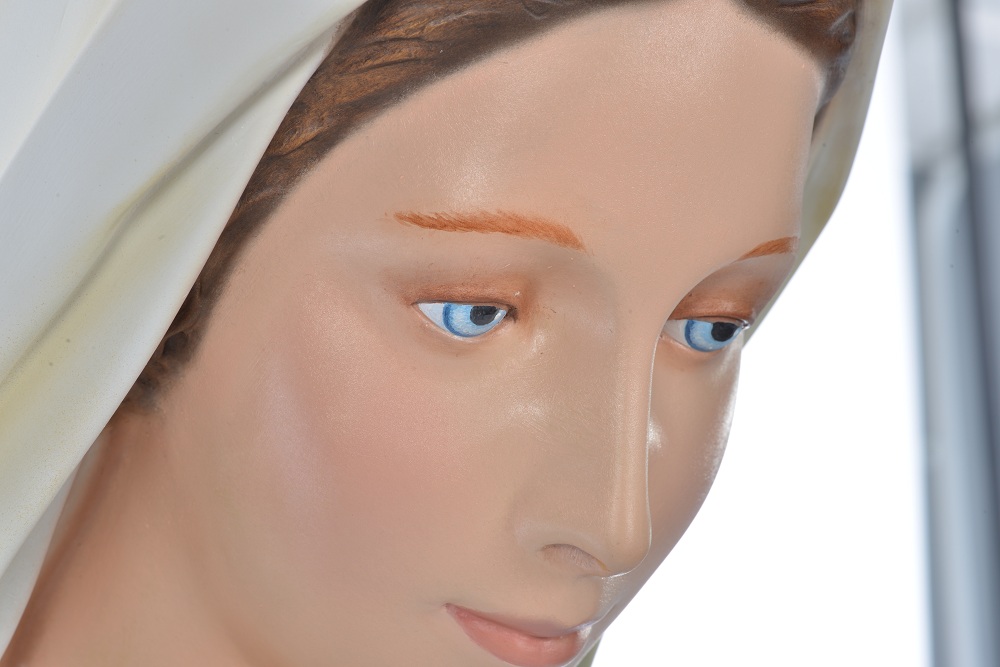
With Miraculous Madonna, the Catholic Church defines a miracle that took place in the Church of Saints James and Philip in Taggia, in the province of Imperia. Here, in 1855, while the population was gathered in prayer, the faithful noticed the eyes of a plaster…

Processional crosses

Processional crosses

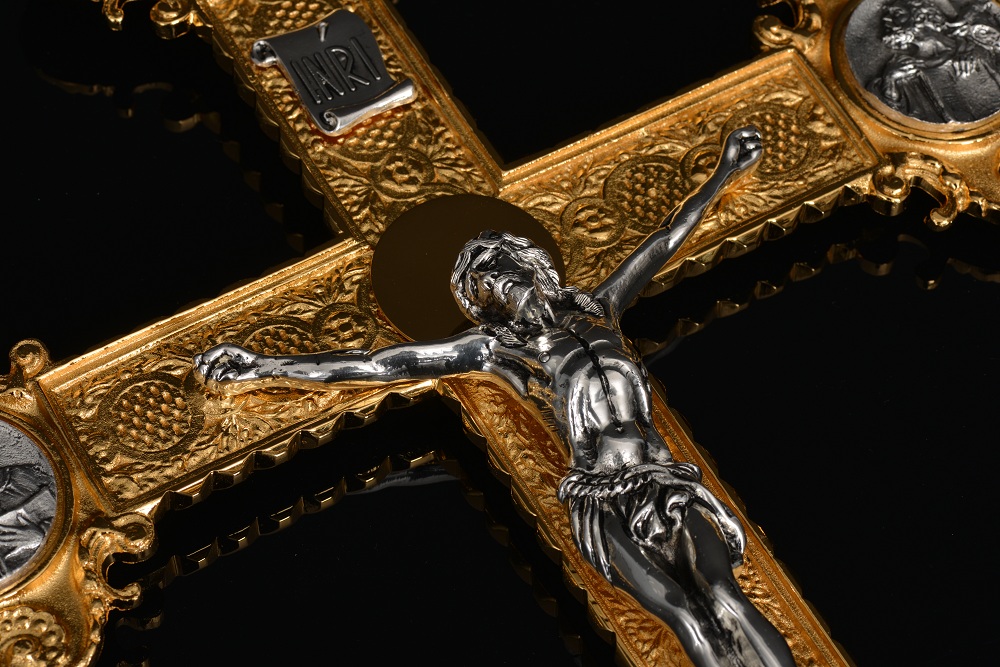
Processional crosses are mounted on long beams, which allow you to carry them in procession; are carried by an altar boy or a minor priest and usually lead the procession. In most cases, once you enter the church and reach the presbytery, processional crosses are set aside, but sometimes they can replace the crucifix, where it is not present.

The use of processional crosses is very old and has its origins from the importance attached by the Church from its beginnings to the diffusion of the figure of the crucified Christ, symbol of Faith and Resurrection. At first processional crosses did not have any support, or were mounted on separable beams: they were kept in the hands of those who opened the procession, and once in the church, were placed on the altar and honored with incense and bowing.

The need for them to be clearly visible from all sides, from whoever followed the procession, has meant that from the beginning the crosses were decorated front and back with the image of Christ, but also with figures of Saints or the Madonna.

The importance of processional crosses is not only liturgical but also civil, as a symbol of the church or parish that uses them. A powerful symbol, which goes beyond the confines of the building, to take the streets, to be carried out before the eyes of the people, of the faithful and not, with a value that precisely transcends purely religious meaning, to embrace a higher and deeper sense of unity and sharing, which has roots in the territory and common history.

This value has meant that particular attention was paid to the choice of materials with which the processional crosses were made, and art dedicated to their creation. The crosses must capture attention the instant they appear, like headlights of the Faith.

Discover more than 30 models of processional crosses in the catalog Holyart.com.

The beneficial properties of natural incense

The beneficial properties of natural incense

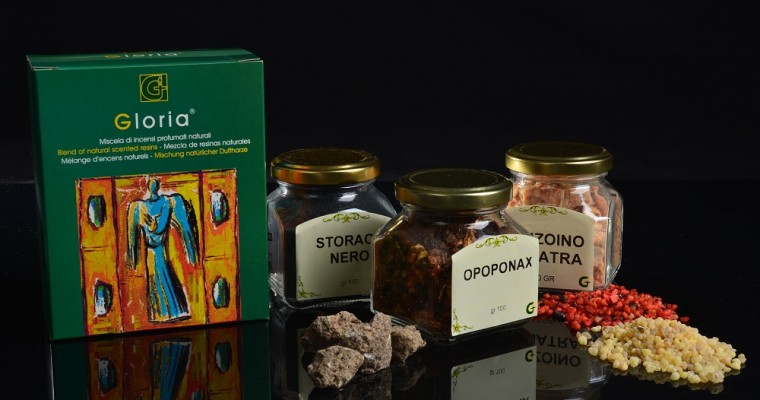
Incense has been used by mankind for thousands of years, since the ancient civilisations of Africa and Asia. Its extraordinary effects on the body and mind have caused it to be considered from the beginning a kind of miraculous substance, suitable to the adoration of…

How to decorate the table at Christmas

How to decorate the table at Christmas

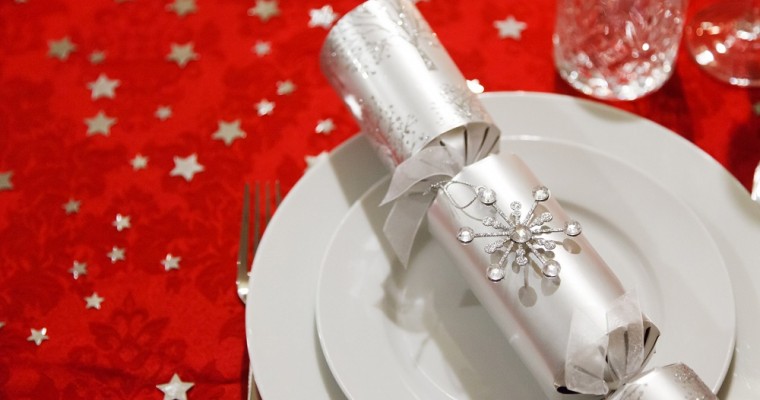
Christmas is the holiday that more than any other influences every year all aspects of daily life. Even those who choose not to celebrate it cannot help but be fascinated, be wrapped and infected by the atmosphere that is created in the streets, in shops,…

The Camaldolese Congregation of the Order of St. Benedict

The Camaldolese Congregation of the Order of St. Benedict

The Order of St. Benedict covers all autonomous monasteries and congregations who live according to the rule established by St. Benedict of Norcia. That rule, drawn up by the Holy and asserted 1817 onwards is based on the motto Ora et labora, pray and work. In this simple formula lies the philosophy of life and the choice of the Benedictine faith approach to prayer and contemplative life manual work.

Over time, and to this day, products that Benedictine monasteries have independently sold and made have assumed an increasingly large importance. These are mainly cosmetic products, such as those made famous by the Camaldoli Monastery, often made with methods that go back to ancient traditions, made with full respect to nature with simple and safe ingredients. We think for example to all products based on medicinal herbs and essential oils. In particular, great fame and diffusion has known the 31 Oil, a mixture of ancient herbal formulation, which are still produced and packaged by Camaldolese Monks. The 31 Oil is composed of 31 essential oils extracted from many herbs. It has many healing, refreshing, balsamic, invigorating and disinfectant properities, and is appreciated and imitated around the world.

It can be used to successfully combat joint or muscle pain, such as low back pain, cervical pain or stiff necks; as a tonic for headaches; as a cure for colds and respiratory problems, and many other problems.

The products manufactured by the Order of St. Benedict are not just related to medicinal herbs. Hive products are also available, such as honey, royal jelly, wax, and candy. And also spirits, herbal liqueurs, brandies and wines. A simple, genuine world of traditional flavours and aromas that give us a glimpse of inestimable taste and lost history, which is renewed thanks to the skill and dedication of the monks.

Complete Nativity Sets for those who didn’t have time to make their own

Complete Nativity Sets for those who didn’t have time to make their own

It is always good idea to be able to build a homemade nativity scene, customising and enriching it with unique details, populating it with figures chosen on the basis of their own experience, childhood memories, or just for the sake of finding something familiar and…

How to tell your child about the birth of Jesus

How to tell your child about the birth of Jesus

For today’s children, accustomed to a constant and often too hectic flow of information, it is not easy to understand the true spirit of Christmas. For many of them it is just an opportunity to receive gifts and special attention, but it would be really…

10 characters that cannot be missing from your nativity

10 characters that cannot be missing from your nativity

When St. Francis of Assisi had the idea of reproducing the birth of Jesus, his intention was to make an important and beautiful passage of the Gospels available to the poor and illiterate, unable to read for themselves the events which are so valuable for believers. Perhaps this stems from the popular tradition of the nativity, which has never been lost at all, even when noble families or rich abbeys were the only ones who could afford to commission one.

The nativity is a popular devotion event created by normal people for normal people, and over the centuries it has acquired an identity that, in its infinite regional variations of our country and the world in general, remains tied to a world that is more to do with the symbols than words.

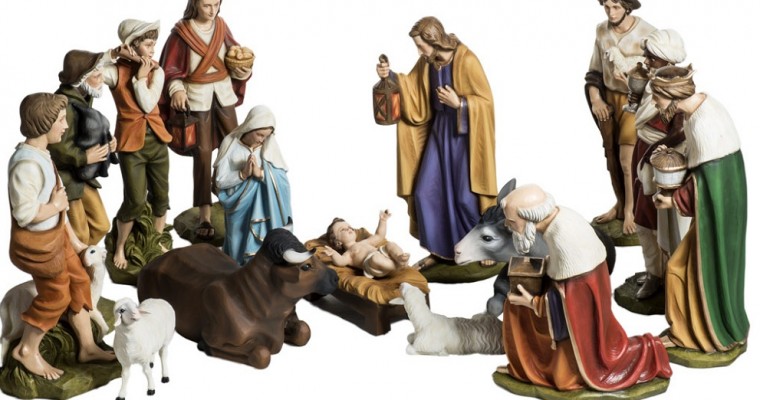
Every character in the nativity is thus above all the incarnation of a symbol, which then, over time, has been associated with stories and legends that have given it a ‘real’ life, closer to popular sensibility. Here is a short list of 10 nativity figurines that can not miss in your nativity.

1 Giuseppe and Maria

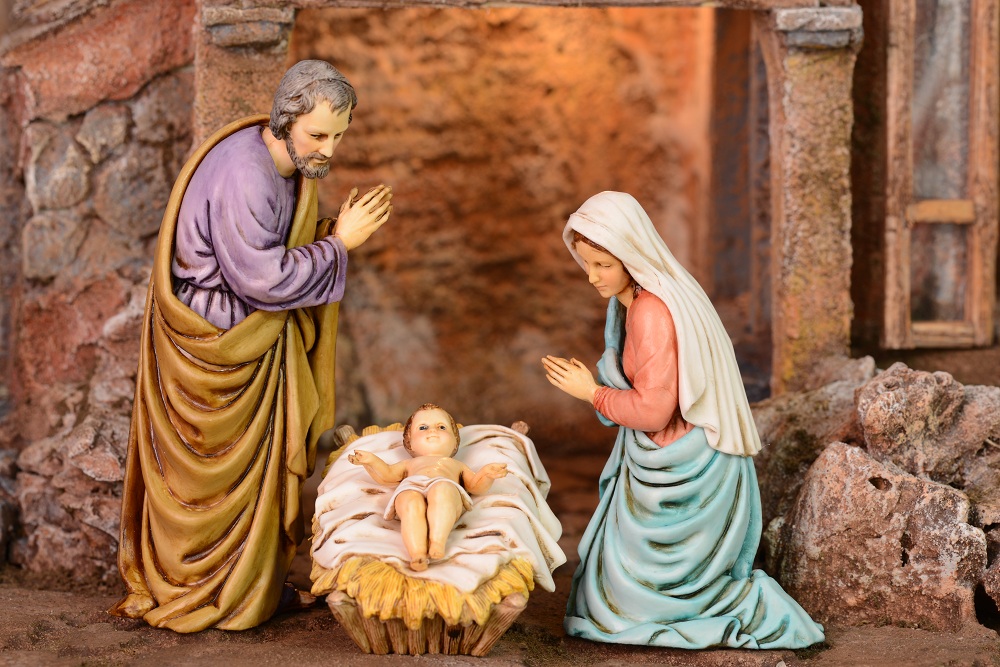
Let’s start with Joseph and Mary, archetypes of the Father and of the Mother; the first of which is dressed in dark and humble colours to emphasise his devotion and submission to the divine will who is, at the same time, represented as a protective figure to Jesus and Mary. The latter, dressed in sky-blue, expresses an ethereal, delicate spirituality, an absolute maternal sweetness in her love for the fruit of her womb as a mother and at the same time as a faithful servant.

2 The ox and the donkey

The symbolic origin of the ox and the donkey is to be found in the Old Testament, or maybe even in pagan tradition. In the first case, it should draw from the words of Isaiah about the lighting of the Child virtues: the donkey represents the pagans, the ox the wise and the learned, both unable to embrace it because they are blinded by the lack or excess of knowledge.

3 Shepherds

They represent humanity welcoming the birth of Jesus, the poorest and most miserable humanity, as the poorest and mysteries among the nations were considered the shepherds. And they, Luke and Mark, were chosen by Jesus as the first spectators of his birth.

4 The fisherman

Perhaps linked to the figure of Peter, to his being a ‘fisher of souls‘, or in general to fish symbolism used by early Christians.

5 The washerwoman

Symbol of purity and purification, similar to the figure of the midwife in the Eastern tradition, and close to the symbolism of Mary, called to witness to and glorify her virginity.

6 The woman with the baby, or the gypsy with the baby

Legend has it that a young virgin wanted above all else to see the baby, but the angels didn’t let her because it was forbidden for virgin women to be present for childbirth. So the girl showed up at the cave, a large stone wrapped in a blanket like a baby holding her arms arms. In the presence of the Holy Family she moved the stone and it turned into a real boy.

7 The Inn.

The inn and its occupants represent a kind of hellish place where humanity expresses its weaknesses and vices, excesses and recklessness. The Oste, in the tradition, it is therefore a devil tempting fate that would distract the audience from the contemplation of the Cave.

8 The card players, or the two “cronies”

In Neapolitan tradition they were considered to be personification of Carnival and Death, playing with the fate of men with unpredictable and uncontrollable rules.

9 The Wise Men

Each of them has a different meaning: Balthazar, symbol of the night, with his the gift of incense represents the divinity of the Child; Caspar, symbol of the day, recognises the kingship with his gold; Melchior, symbol of the dawn, establishes the rule of the Child on time by myrrh giving him death.

10 Benin, the sleeping shepherd

Benin sleeps and does not realise what is happening, but at the same time, legend has it that he’s dreaming about the nativity to make it real. Figure full of powerful and ancient symbolic meanings embodies the Revelation given by the Faith.